
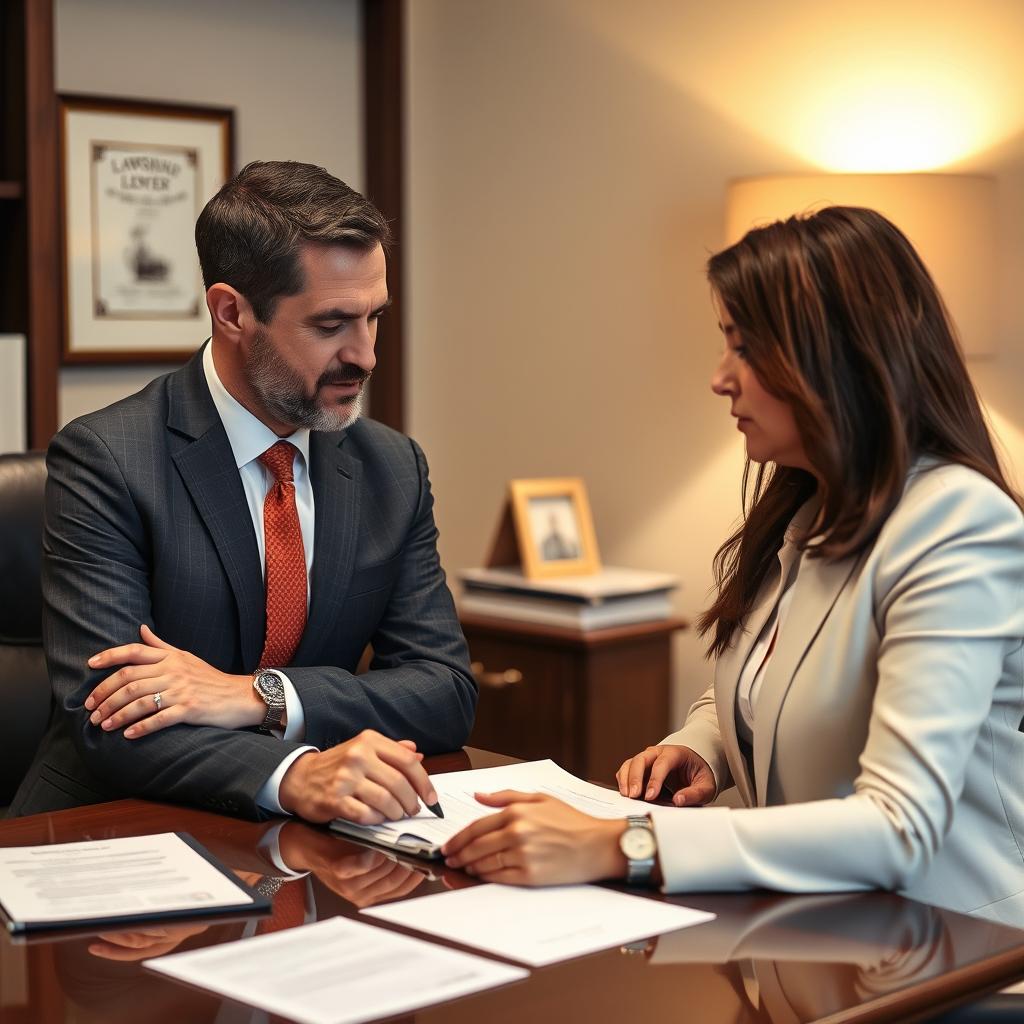
Consular Processing Lawyer Fairfax, VA
Obtaining an immigrant visa through consular processing can be a critical step toward lawful permanent residency for individuals who are outside the United States or ineligible to adjust status domestically. For residents of Fairfax County, Fairfax City, and surrounding Northern Virginia communities, the process requires meticulous attention to federal immigration law. Law Offices Of SRIS, P.C. represents clients in consular processing matters, guiding them through the preparation of petitions, assembly of supporting evidence, and preparation for consular interviews. The firm was founded in 1997 by former prosecutor Mr. Sris, who is admitted in Virginia, Maryland, the District of Columbia, New Jersey, and New York. Mr. Sris and the firm’s Of Counsel attorneys bring extensive combined legal experience to immigration cases, including consular processing for family-sponsored and employment-based immigrant visas. We understand that the stakes are high—a denied visa can mean prolonged family separation or lost employment opportunities. While no attorney can guarantee a particular result, we work diligently to present a complete and persuasive application. The USCIS Washington Field Office in Fairfax processes certain underlying petitions, and the Arlington Immigration Court handles removal proceedings should complications occur; however, the consular interview itself takes place at a U.S. Embassy or consulate abroad. Our firm assists clients in Fairfax and throughout Virginia with every stage of this journey. To schedule a consultation, call (888) 437-7747.
What Consular Processing Means in Fairfax, Virginia
Consular processing is the procedure through which an individual applies for an immigrant visa at a U.S. Embassy or consulate in a foreign country. For individuals living in Fairfax County and the City of Fairfax, consular processing is often the chosen path when the beneficiary is physically abroad or when adjustment of status within the United States is not available. The Fairfax area is home to a diverse population with strong family ties overseas, and many residents sponsor relatives through family-based petitions. Employment-based consular processing is also common for professionals and skilled workers whose employers seek to bring them to Northern Virginia.
In a typical consular processing case handled by our firm, we begin by filing the underlying immigrant visa petition—such as Form I-130 for a family member or Form I-140 for an employment-based immigrant—with U.S. Citizenship and Immigration Services (USCIS). Once the petition is approved, the National Visa Center (NVC) collects fees and documentation before forwarding the case to the designated U.S. Consulate. The consulate then schedules an interview, reviews the applicant’s eligibility, and determines whether to issue the visa. Because consular officers exercise broad discretion, a well-prepared application is essential. The firm’s Fairfax Location at 4008 Williamsburg Court serves clients throughout Northern Virginia and can coordinate with consular posts around the world, including those frequently used by Fairfax residents such as U.S. Embassies in New Delhi, Manila, Seoul, and San Salvador.
How Mr. Sris and the Firm’s Of Counsel Attorneys Handle Consular Processing Cases
From the initial consultation through the final visa issuance, Mr. Sris and the firm’s Of Counsel attorneys take a thorough, detail-oriented approach to every consular processing matter. The process begins with a careful case assessment to identify the appropriate visa category, confirm eligibility under the Immigration and Nationality Act, and anticipate any potential grounds of inadmissibility. Our attorneys then work with clients to compile all required supporting documentation—including birth certificates, marriage records, police clearance certificates, and medical examination results—and draft legal arguments to address any issues that may arise during the consular review.
If a Request for Evidence (RFE) is issued or the consular officer raises concerns, Mr. Sris and the firm’s Of Counsel attorneys prepare a detailed response, often drawing on their experience with complex immigration matters. In cases involving prior immigration violations or criminal history, the firm also handles the preparation of waivers of inadmissibility, such as Forms I-601 and I-212. Once the interview is scheduled, our team provides comprehensive preparation, helping clients understand what to expect and how to present their case clearly. While the ultimate decision rests with the consular officer, we aim to ensure that every petition is as strong as possible. To discuss your consular processing matter, call (888) 437-7747.
About Mr. Sris and the Firm’s Of Counsel Attorneys
Mr. Sris, Owner and Founder of Law Offices Of SRIS, P.C., is a former prosecutor with a multi-state practice spanning Virginia, Maryland, the District of Columbia, New Jersey, and New York. Since founding the firm in 1997, he has built a practice that concentrates on immigration law, among other areas, and has guided countless clients through family-based and employment-based consular processing. Mr. Sris and the firm’s Of Counsel attorneys bring extensive combined legal experience to immigration matters. Results may vary. The firm’s Of Counsel attorneys contribute additional knowledge and support, working closely with Mr. Sris to manage each case with care.
The firm’s Fairfax Location at 4008 Williamsburg Court serves clients from across Fairfax County, Fairfax City, and the broader Northern Virginia region. Consultations are by appointment, and the firm’s phones are answered 24 hours a day at (888) 437-7747. Staff members speaking Spanish and Tamil are available to assist clients who prefer communication in those languages.
Frequently Asked Questions
What is consular processing?
Consular processing is the method of applying for an immigrant visa at a U.S. Embassy or consulate in a foreign country. It is the primary path to permanent residence for individuals who are outside the United States or who are ineligible for adjustment of status domestically. After an immigrant visa petition is approved by USCIS, the case moves to the National Visa Center and then to the consulate, where an interview is conducted. The process requires strict compliance with documentary and procedural requirements.
Who needs to use consular processing?
Anyone seeking an immigrant visa who is physically abroad or who cannot adjust status in the United States must use consular processing. For example, a spouse living overseas being sponsored by a U.S. Citizen, or a worker who has never entered the United States, typically requires consular processing. In some cases, individuals already in the United States may need to depart and apply through a consulate if they do not qualify for adjustment of status under the Immigration and Nationality Act.
How does consular processing differ from adjustment of status?
Adjustment of status is filed with USCIS while the applicant is inside the United States; consular processing is handled through a U.S. Consulate abroad. Adjustment is only available to individuals who entered the United States lawfully and meet other eligibility criteria. Consular processing is generally the only option for those who are abroad, have overstayed a visa, or are otherwise ineligible to adjust. Each path has its own procedural requirements, and an experienced immigration attorney can help determine the trusted option.
What documents are required for consular processing?
The specific documents depend on the visa category but generally include the approved immigrant visa petition, civil documents, financial evidence, and medical exam results. Common items are birth certificates, marriage certificates, police clearance certificates from countries of residence, an affidavit of support (Form I-864), and a medical examination performed by an embassy-approved physician. The consulate may request additional documentation based on the applicant’s background or the particular visa classification.
What happens if the consular officer denies the visa?
If a visa is denied, the consular officer will issue a written explanation. Depending on the grounds for denial, a waiver or motion to reconsider may be available. Inadmissibility for certain criminal or immigration violations can sometimes be overcome through a carefully prepared waiver application. An attorney can review the denial and advise whether an appeal, waiver, or new petition is appropriate. Acting promptly after a denial is important, as some options have strict deadlines.
How can an attorney help with consular processing in Fairfax?
An experienced immigration attorney can guide you through each stage, from petition preparation to consular interview, and help address any legal issues that arise. In Fairfax, our firm prepares the initial petition, assembles the supporting documentation, responds to consular inquiries, and prepares clients for the interview. Should complications such as prior immigration violations or criminal history arise, Mr. Sris and the firm’s Of Counsel attorneys can develop strategies to address them. For guidance on your specific situation, reach Law Offices Of SRIS, P.C. at (888) 437-7747.
Additional Immigration Services in Nearby Virginia Localities
For immigration representation in other Northern Virginia communities, visit:
- Fairfax County immigration lawyer
- Falls Church immigration lawyer
- Prince William County immigration lawyer
- Manassas immigration lawyer
- Manassas Park immigration lawyer
References
Explore official immigration resources:
- U.S. Citizenship and Immigration Services (USCIS)
- Executive Office for Immigration Review (EOIR)
- 8 U.S.C. § 1201 – Consular processing statute
Attorney advertising. Prior results do not guarantee a similar outcome.
Results may vary. Case results depend on a variety of factors unique to each case.