
Adjustment of Status Lawyer Virginia
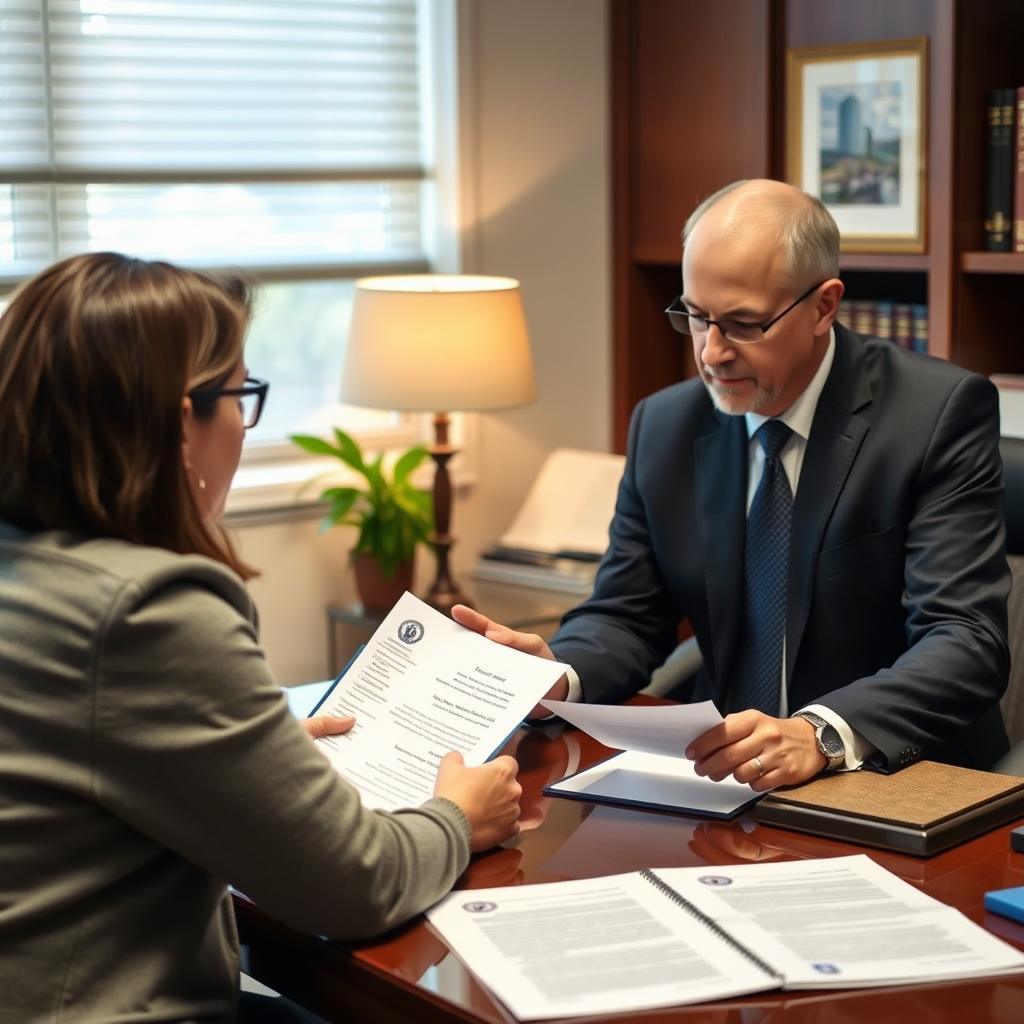
An Adjustment of Status Lawyer Virginia handles the complex process of applying for a green card from within the United States. This legal procedure is governed by federal immigration law and requires precise filing with U.S. Citizenship and Immigration Services. The Law Offices Of SRIS, P.C.—Advocacy Without Borders. provides direct representation for these cases. (Confirmed by SRIS, P.C.)
Statutory Definition and Legal Basis
The Adjustment of Status process is codified under the Immigration and Nationality Act (INA) Section 245. This federal statute allows certain foreign nationals already in the U.S. to apply for lawful permanent resident status without leaving the country. Eligibility hinges on an approved immigrant petition and an immediately available visa number. The process is administered by U.S. Citizenship and Immigration Services (USCIS), not state courts. A Virginia-based attorney must handle these federal regulations while understanding local USCIS field Location procedures.
Filing Form I-485, Application to Register Permanent Residence or Adjust Status, initiates the legal process. This form must be supported by extensive evidence including medical examination results, financial affidavits, and proof of lawful entry. The legal standard requires the applicant to prove they are admissible to the United States under INA Section 212. Any grounds of inadmissibility, such as certain criminal convictions or immigration violations, can result in denial. An Adjustment of Status Lawyer Virginia addresses these barriers directly.
The visa availability requirement is a critical legal component. For family-based petitions, the priority date on the approved I-130 petition must be current according to the Department of State’s Visa Bulletin. Employment-based cases require an approved I-140 petition. The “final action date” chart in the bulletin dictates when an applicant can file. Missing this window causes significant delays. Legal strategy involves monitoring these dates and preparing submissions in advance.
Who is eligible to file for Adjustment of Status in Virginia?
Eligibility requires an approved immigrant petition and a currently available visa number. Applicants must have been inspected and admitted or paroled into the United States. They must not have violated their nonimmigrant status in a way that bars adjustment. Immediate relatives of U.S. citizens often have the most direct path. Other family or employment-based categories face longer waits due to annual quotas.
What are the main legal grounds for denial?
Denials commonly stem from grounds of inadmissibility under INA Section 212. These include health-related grounds, criminal convictions, immigration fraud, unlawful presence, and public charge concerns. Certain criminal offenses make an applicant permanently inadmissible. Unlawful presence exceeding 180 days triggers three or ten-year bars to reentry. A waiver may be available but requires a separate application with a high legal standard.
How does marriage to a U.S. citizen affect the process?
Marriage to a U.S. citizen allows filing as an immediate relative, a category with no annual visa limits. The process requires proving the marriage is bona fide, not entered into for immigration benefits. USCIS scrutinizes these petitions heavily, often requiring interviews and substantial relationship evidence. Conditional residence applies if the marriage is less than two years old at the time of approval. Removal of conditions requires a separate petition filed within the 90-day window before the conditional card expires.
The Insider Procedural Edge
The primary federal administrative body for Adjustment of Status in Virginia is the U.S. Citizenship and Immigration Services Washington D.C. Field Location, located at 2675 Prosperity Ave, Fairfax, VA 22031. This Location handles interviews for applicants residing in Northern Virginia. Procedural specifics for Virginia are reviewed during a Consultation by appointment at our Virginia Location. The filing fee for Form I-485 is $1,440 for most applicants, which includes biometrics costs. Fees are subject to change by USCIS regulation.
Case processing begins at the USCIS Lockbox facility, which routes the file to the National Benefits Center for initial review. After biometrics are collected at an Application Support Center, the case is transferred to the field Location for interview scheduling. The current processing timeline for the Washington D.C. Field Location typically ranges from 12 to 24 months. Expedited processing is rarely granted and requires meeting strict humanitarian or government interest criteria. Missing a scheduled interview almost commitments denial.
Local procedural knowledge is essential. The Fairfax field Location conducts interviews in a specific order and has particular document preferences. Officers there focus heavily on consistency in testimony and documentation. Preparing clients for the interview’s tone and likely questions is a critical attorney function. Any changes in address must be reported to USCIS within 10 days using Form AR-11. Failure to update address can lead to missed notices and case abandonment. Learn more about Virginia legal services.
What is the typical timeline from filing to green card receipt?
The timeline averages 12 to 24 months in Virginia, depending on case complexity and USCIS backlogs. Receipt notices arrive within 2-4 weeks of filing. Biometrics appointments are scheduled 4-8 weeks later. The interview notice typically comes 8-14 months after filing. Card production begins after a successful interview and final background checks. Delays occur if requests for evidence are issued or security checks are pending.
What happens during the USCIS interview?
The interview verifies the application’s information and the basis for eligibility. Both the applicant and the petitioning spouse or employer may be questioned separately. Officers assess credibility and review original documents. Questions can cover personal history, relationship details, or job duties. The attorney’s role is to ensure proper procedure, object to improper questions, and clarify any misunderstandings. A decision may be given at the interview or mailed weeks later.
Can you travel outside the U.S. during the process?
Travel requires advance parole authorization obtained by filing Form I-131. Departing without this document abandons the Adjustment of Status application. Advance parole is not assured and is discretionary. Even with advance parole, reentry is at the discretion of Customs and Border Protection. Certain nonimmigrant visa holders may maintain dual intent, but consultation with an immigration attorney in Virginia is crucial before any travel.
Penalties, Risks, and Defense Strategies
The most severe penalty for a failed Adjustment of Status is removal proceedings initiated by the Department of Homeland Security. Denial of Form I-485 can trigger a Notice to Appear in immigration court. This places the applicant in deportation proceedings where they must defend against removal. Other consequences include the loss of application fees, which are not refundable, and the accrual of unlawful presence if the underlying status has expired. A denied application based on fraud can lead to permanent immigration bars.
| Potential Negative Outcome | Consequence | Legal Notes |
|---|---|---|
| Application Denial | Loss of filing fees ($1,440+); possible accrual of unlawful presence. | May be appealed to the USCIS Administrative Appeals Location within 30 days. |
| Referral to Immigration Court | Initiation of removal (deportation) proceedings. | Defense must be mounted before an Immigration Judge at the Arlington Immigration Court. |
| Unlawful Presence Accrual | Triggers 3-year or 10-year bar to reentry if departure occurs. | The bar is triggered upon departure after 180 days/1 year of unlawful presence. |
| Fraud Finding | Permanent inadmissibility under INA 212(a)(6)(C)(i). | Extremely difficult to waive; requires proof of extreme hardship to a qualifying relative. |
| Work Authorization Lapse | Loss of legal ability to work in the United States. | Employment Authorization Document (EAD) is tied to pending application; denial voids EAD. |
[Insider Insight] USCIS officers in the Fairfax field Location are particularly vigilant for marriage fraud indicators and inconsistencies in employment-based petitions. They frequently issue Requests for Evidence (RFEs) for additional relationship or financial documentation. Preparing a strong initial evidence package is the best defense against delays and scrutiny. Proactively addressing potential issues, like brief periods of unlawful presence, within the application is more effective than waiting for an RFE.
Defense strategy begins with a thorough pre-filing audit of the applicant’s immigration history. This identifies potential grounds of inadmissibility that require a waiver. For family-based cases, compiling extensive bona fide marriage evidence is non-negotiable. This includes joint financial records, photographs, correspondence, and affidavits. For employment cases, ensuring the job offer remains valid and the employer is cooperative throughout the process is key. If a denial occurs, evaluating the grounds for a Motion to Reopen or Reconsider is an immediate next step.
Why Hire SRIS, P.C. for Your Adjustment of Status
Our lead immigration attorney has over 15 years of focused experience handling USCIS procedures and immigration court. This attorney’s deep understanding of local field Location tendencies directly benefits case preparation. SRIS, P.C. has managed hundreds of immigration cases in Virginia, achieving successful outcomes for our clients. We provide direct attorney involvement from initial consultation through your interview and final decision. Our team understands the stress of this process and provides clear, realistic guidance at every step.
Designated Immigration Counsel: Our primary Virginia immigration attorney has a proven track record with family and employment-based adjustments. This attorney personally reviews all petition packages and evidence. They prepare clients extensively for USCIS interviews, conducting mock sessions. Their practice is dedicated to immigration law, ensuring up-to-date knowledge of policy changes and legal precedents. Learn more about criminal defense representation.
The firm’s approach is methodical and detail-oriented. We begin with a complete audit of your immigration history to identify any red flags. Our team then assembles a customized evidence checklist specific to your specific visa category. We prepare all forms and supporting legal briefs, ensuring every question is answered accurately. We monitor your case status actively and communicate all updates promptly. If issues arise, such as a Request for Evidence, we draft a thorough legal response to overcome the officer’s concerns. Our goal is to present an unassailable application from the start.
Localized Virginia Adjustment of Status FAQs
How long does it take to get a work permit after filing AOS in Virginia?
Employment Authorization Documents (EAD) typically arrive 6-9 months after filing Form I-485 with Form I-765. Processing times vary with USCIS backlogs. The EAD is not automatic; it requires a separate filing and fee unless waived.
Can I adjust status if I entered the U.S. without inspection?
Generally, no. Entry without inspection (EWI) is a bar to adjustment under INA 245(a). Very limited exceptions exist, such as under Section 245(i) or for certain VAWA applicants. This is a complex legal area requiring immediate legal counsel in Virginia.
What is the difference between Consular Processing and Adjustment of Status?
Adjustment of Status is filed within the U.S. with USCIS. Consular Processing is completed at a U.S. embassy abroad after USCIS approves a petition. The choice depends on your current status, location, and specific eligibility factors.
What happens if my underlying visa expires while my AOS is pending?
You remain in a period of authorized stay as long as the I-485 is pending. This protects you from accruing unlawful presence. However, you cannot work or travel without the proper permits (EAD/Advance Parole) from USCIS.
Do I need a medical exam for my green card application in Virginia?
Yes. A Form I-693 medical examination by a USCIS-designated civil surgeon is mandatory. The sealed exam results must be submitted with your application or brought to your interview. The exam is valid for two years.
Proximity, Contact, and Critical Disclaimer
SRIS, P.C. has a Location serving Virginia clients. While immigration matters are federal, having local counsel familiar with the Fairfax USCIS Field Location provides a strategic advantage. Our attorneys understand the specific procedural preferences of this Location. We are accessible to clients across the Commonwealth. Consultation by appointment. Call 888-437-7747. 24/7.
Our legal team is prepared to handle the complete AOS process, from eligibility assessment to interview preparation. We manage all communications with USCIS on your behalf. We ensure your application meets the highest standards of completeness and legal argument. Contact us to begin a review of your case.
Past results do not predict future outcomes.