
Note: This article is confirmed by Law Offices Of SRIS, P.C.
WRITTEN BY: [Author Name]
Colonial Heights VA Deportation Defense Lawyer
What is deportation defense
Deportation defense refers to legal representation provided to individuals facing removal proceedings in immigration court. When the Department of Homeland Security initiates removal proceedings against someone, they have the right to legal counsel. This process involves formal hearings before an immigration judge where the government presents its case for removal.
The defense process begins with understanding the specific grounds for removal cited in the Notice to Appear. Common grounds include visa violations, criminal convictions, or immigration fraud allegations. Each case requires careful examination of the individual’s immigration history and current status.
Legal strategies in deportation defense may involve challenging the government’s evidence, presenting defenses against removal, or applying for relief from removal. Available forms of relief can include cancellation of removal, asylum, adjustment of status, or waivers. The appropriate strategy depends on the individual’s specific circumstances and immigration history.
Professional legal representation brings knowledge of immigration laws and court procedures. Lawyers understand how to present evidence effectively and make legal arguments that address the specific issues in each case. They work to protect clients’ rights throughout the immigration court process.
How to address deportation proceedings
Addressing deportation proceedings requires systematic steps beginning from the moment you receive a Notice to Appear. This document starts the formal removal process and contains important information about your hearing date and location. Immediate consultation with legal counsel is vital to understand your situation fully.
The first practical step involves gathering all relevant immigration documents. This includes passports, visas, work permits, and any previous immigration applications. Personal identification documents and records of your time in the United States should also be collected. These materials form the foundation of your defense strategy.
Preparation for immigration court hearings involves developing your testimony and evidence presentation. Your lawyer will help you understand what questions to expect and how to respond effectively. Witness preparation may be necessary if others can support your case. Document organization follows specific court requirements for submission.
Meeting court deadlines represents one of the most important aspects of the process. Immigration courts operate on strict schedules, and missing filing deadlines can have serious consequences. Your legal representative manages these timelines while keeping you informed of upcoming requirements and hearings.
Throughout the proceedings, maintaining communication with your legal team ensures you understand each development. Regular updates about case status and next steps help reduce uncertainty. Following legal advice consistently improves your position in the immigration court system.
Can I fight deportation without a lawyer
Individuals facing deportation have the legal right to represent themselves in immigration court proceedings. This option exists because immigration court is considered a civil rather than criminal proceeding. However, self-representation presents substantial challenges given the system’s challenge.
The immigration court system operates under specific rules and procedures that differ from other court systems. Understanding these rules requires familiarity with immigration law and court practices. Missing procedural requirements can negatively affect your case outcome. Legal terminology and documentation standards add further challenge.
Available forms of relief from removal involve specific eligibility criteria and application processes. Determining which options apply to your situation requires legal analysis of your immigration history and current circumstances. Application procedures have detailed requirements that must be met precisely.
Evidence presentation follows particular rules in immigration court. Understanding what evidence is admissible and how to present it effectively requires legal experience. Witness examination and cross-examination techniques benefit from professional training. Document organization must meet court standards for consideration.
Legal arguments in deportation cases involve interpretation of immigration statutes and case law. Developing effective arguments requires knowledge of relevant legal precedents and current immigration policies. Responding to government arguments demands understanding of legal standards and counterarguments.
Why hire legal help for deportation cases
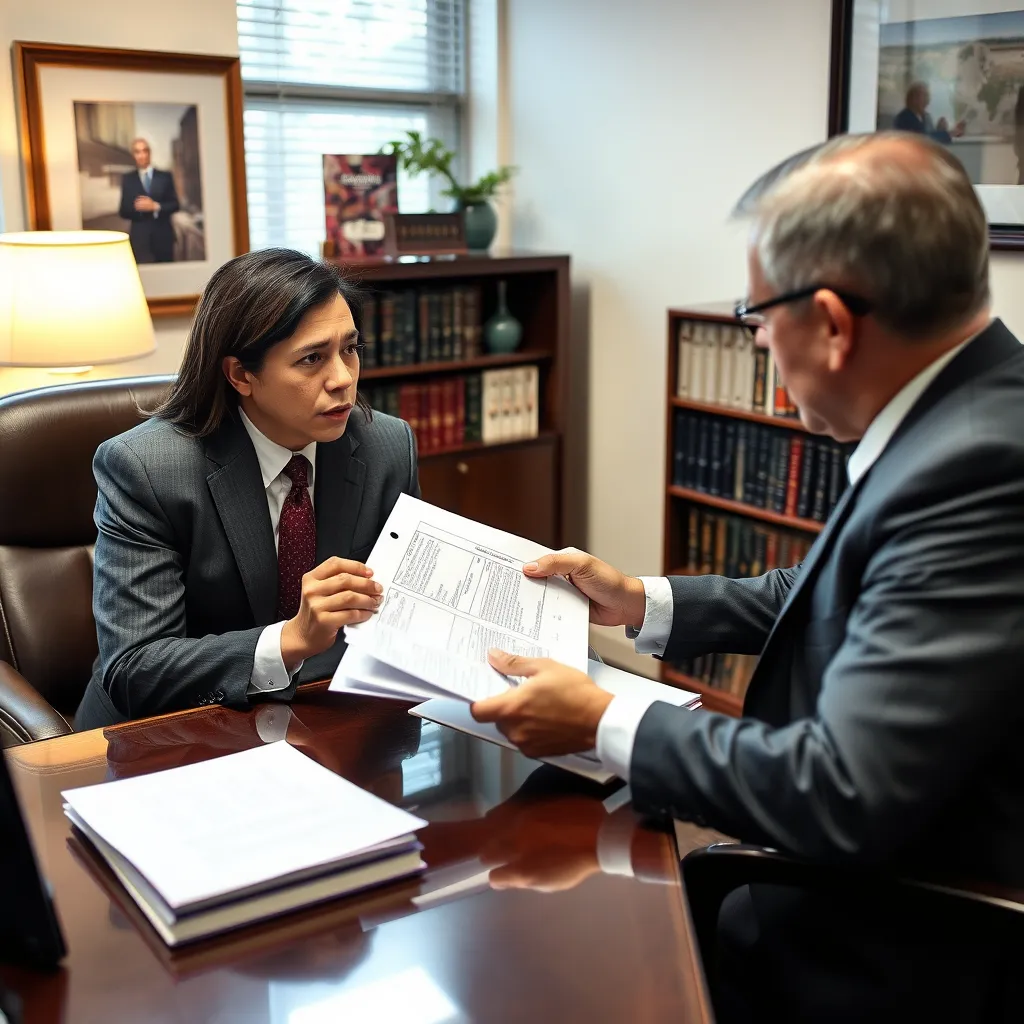
Hiring legal help for deportation cases provides several important benefits throughout the immigration court process. Professional representation begins with thorough case evaluation and continues through final resolution. Lawyers bring specific knowledge of immigration laws and court procedures that most individuals lack.
Legal professionals understand the immigration court system’s operational details. They know how to file documents properly, meet deadlines, and follow procedural requirements. This knowledge helps avoid technical errors that could negatively affect your case. Courtroom experience provides insight into how different judges approach similar cases.
Case strategy development involves analyzing your specific circumstances against available legal options. Lawyers identify potential forms of relief you may qualify for based on your immigration history and personal situation. They develop arguments that address the government’s case while presenting your position effectively.
Document preparation and evidence organization follow court standards for presentation. Legal teams help gather necessary documents and prepare them for submission. They ensure evidence meets admissibility requirements and supports your legal arguments. Witness preparation, when applicable, follows effective examination techniques.
Communication with immigration authorities and court personnel occurs through proper channels. Lawyers handle interactions with government attorneys and court staff professionally. They keep you informed about case developments while managing the procedural aspects. This reduces the stress of direct involvement with involved bureaucratic systems.
Ongoing legal guidance helps you understand each phase of the process. Lawyers explain what to expect at hearings and how to prepare. They provide realistic assessments of case progress and potential outcomes. This support continues through appeals if necessary.
FAQ:
What happens at the first immigration court hearing?
The first hearing sets the schedule and identifies issues. You receive information about procedures and deadlines for your case.
How long do deportation cases typically take?
Cases vary from months to years depending on court location and case challenge. Some factors include evidence needs and hearing availability.
Can family members help with my deportation case?
Family can provide emotional support and sometimes evidence. They cannot provide legal representation without proper authorization.
What documents should I bring to my lawyer?
Bring all immigration papers, identification, and any court notices. Include records of your time in the United States and relevant personal documents.
Are there options if I lose my deportation case?
Appeal options may exist depending on your case circumstances. Other possibilities include motions to reopen or reconsider under specific conditions.
How much does deportation defense cost?
Costs vary based on case challenge and required work. Many lawyers offer initial consultations to discuss fees and payment options.
Can I work while my deportation case is pending?
Work authorization depends on your specific immigration status. Some individuals may qualify for employment permits during proceedings.
What if I miss an immigration court hearing?
Missing hearings can result in removal orders issued in absentia. Contact your lawyer immediately if you cannot attend a scheduled hearing.
How do I find a deportation defense lawyer?
Research local immigration attorneys with deportation experience. Check credentials and schedule consultations to discuss your specific situation.
What should I tell my employer about my case?
You are not required to disclose immigration proceedings to employers. Consult with your lawyer about employment-related concerns during your case.
Can deportation affect my family members?
Removal can impact family unity and dependent status. Some family-based immigration options may be available in certain situations.
What happens after a deportation order?
After a removal order, departure arrangements begin. Legal options may still exist depending on timing and specific circumstances.
Past results do not predict future outcomes