
VAWA Immigration Lawyer Shenandoah, VA
You live in Shenandoah, Virginia, and you are trapped in an abusive relationship with a U.S. Citizen or lawful permanent resident. You fear what will happen if you try to leave—deportation, losing your children, having nowhere to go. You may not know that federal law gives you a path to safety and lawful status without your abuser’s knowledge or consent. The Violence Against Women Act (VAWA) allows certain noncitizens who have been subjected to battery or extreme cruelty by a qualifying family member to self‑petition for lawful permanent residence. This protection applies regardless of gender and does not require the abuser to be charged with a crime. Mr. Sris, Owner and Founder of Law Offices Of SRIS, P.C., and the firm’s Of Counsel attorneys concentrate their immigration practice on VAWA self‑petitions, helping individuals in Shenandoah and across Virginia prepare confidential applications and pursue stability in the United States. To request a consultation, reach Law Offices Of SRIS, P.C. at (888) 437‑7747. Law Offices Of SRIS, P.C. – Advocacy Without Borders.
How a VAWA Immigration Lawyer in Shenandoah Can Help
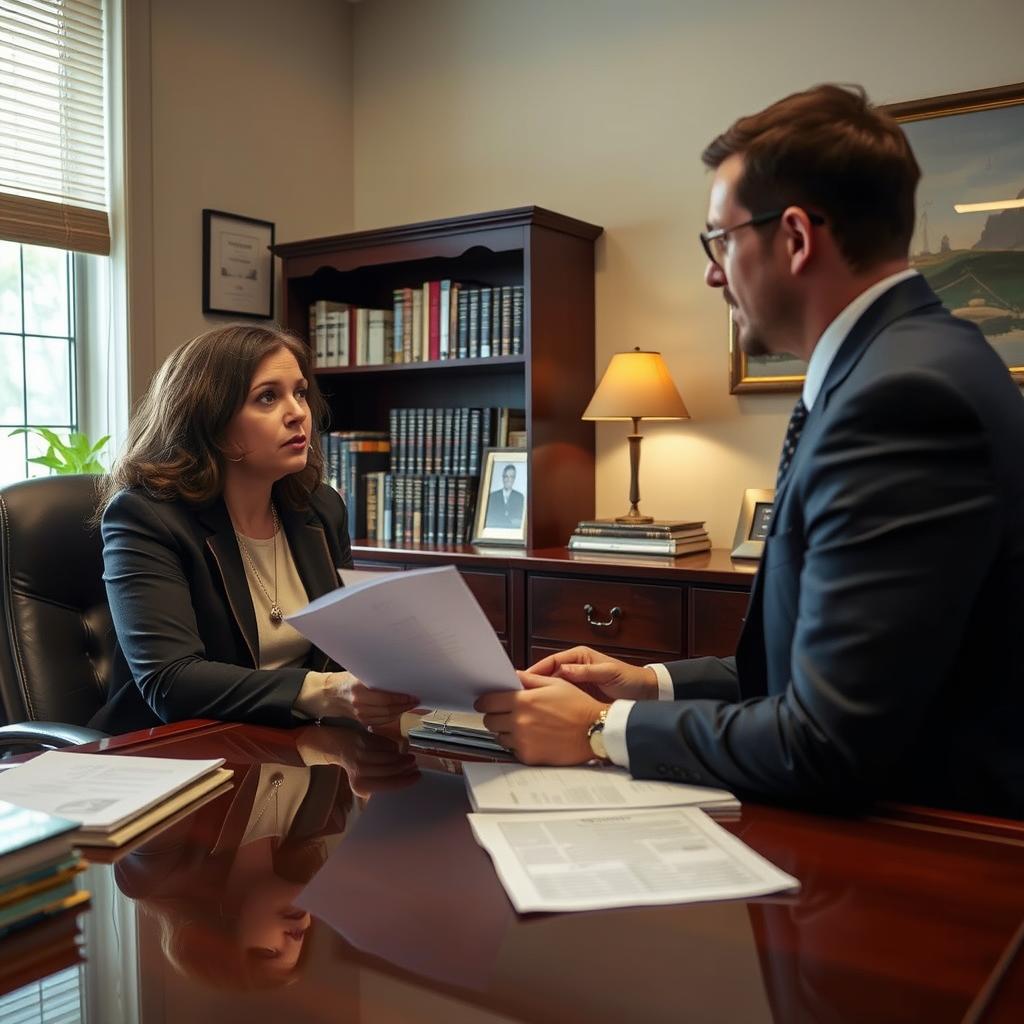
A VAWA self‑petition is a request to U.S. Citizenship and Immigration Services (USCIS) for classification as a self‑petitioning spouse, child, or parent of an abusive U.S. Citizen or lawful permanent resident. An experienced immigration attorney guides you through gathering the required evidence, completing Form I‑360, and presenting your case in a way that shows you meet the statutory criteria. In Shenandoah, residents can meet with Mr. Sris and his Of Counsel at the firm’s Woodstock location on Main Street, where they will explain the process in plain language, help you document the abuse without alerting your abuser, and develop a strategy to move toward a work permit and lawful permanent residence. Because VAWA cases involve sensitive personal information, confidentiality is built into the law: USCIS is prohibited from contacting the abuser or sharing your application with them. The firm’s approach focuses on preserving that confidentiality while building a complete, compelling petition.
VAWA eligibility requires proof that you have a qualifying relationship to the abuser, that you resided with the abuser at some point, that you suffered battery or extreme cruelty, and that you are a person of good moral character. Examples of evidence can include protective orders, medical records, police reports, statements from witnesses, and an affidavit detailing the abuse. If certain records are unavailable, an attorney can help identify alternative documentation and construct a narrative that meets the legal standard. Because immigration law changes frequently, working with an attorney who stays current with USCIS policy and Board of Immigration Appeals precedent helps reduce the risk of a denial or request for additional evidence.
Frequently Asked Questions
What is a VAWA self‑petition?
A VAWA self‑petition allows an abused spouse, child, or parent of a U.S. Citizen or lawful permanent resident to seek lawful status independently. Once approved, the self‑petitioner becomes a “qualified alien” and may apply for a work permit and, if an immigrant visa is immediately available, for adjustment of status to lawful permanent resident. The process is confidential—the abuser is not notified. Eligibility does not require the abuser to be convicted of a crime, and the petition can be filed from within the United States.
Who qualifies for VAWA protection?
Abused spouses, children, and parents of U.S. Citizens or lawful permanent residents who have suffered battery or extreme cruelty may qualify. Spouses must have entered the marriage in good faith, the marriage must have been valid at the time the petition is filed (unless the abuser died), and the applicant must have resided with the abuser at some point. Children may self‑petition if they are under 21 and unmarried, or under 25 and unmarried if they can show abuse was a central reason for the delay. Parents of abusive U.S.‑citizen sons or daughters who are at least 21 years old may also petition.
Can I file a VAWA petition without my abuser knowing?
Yes. USCIS is legally prohibited from notifying the abuser of the petition or seeking information from them. All correspondence goes only to the applicant or their designated attorney. The law contains strict confidentiality protections, so addressing safety concerns at the start of the process is critical. An attorney can help you maintain a safe mailing address and represent you in all communications with USCIS so that your abuser never learns of the filing.
What kind of evidence do I need for a VAWA case?
Evidence should demonstrate the qualifying relationship, the abuse, and your good moral character. Common evidence includes a marriage certificate, divorce decree (if applicable), joint financial or residential documents, police reports, court protective orders, medical or psychological records, and an affidavit describing the abuse in detail. Witness statements from friends, family, or a counselor can also support the claim. An experienced immigration attorney can assess what you have and help you identify additional proof.
Do I need a police report for a VAWA petition?
No. A police report is helpful but not required. Many survivors do not report abuse to law enforcement, and VAWA does not mandate police involvement. USCIS accepts many forms of evidence, including medical records, letters from shelters, and sworn statements. An attorney can build a petition even when traditional law‑enforcement documentation is unavailable.
Can I work while my VAWA case is pending?
You can request an employment authorization document once USCIS establishes a prima facie case. A prima facie determination is an initial finding that your petition is not frivolous and contains evidence that, if true, would establish eligibility. After receiving a prima facie notice, you may file Form I‑765 for a work permit. Timelines vary based on USCIS processing volume and the completeness of your petition.
How long does the VAWA process take?
Processing times depend on USCIS caseload, the complexity of the evidence, and whether additional documentation is requested. A well‑prepared petition with comprehensive supporting evidence generally moves through the system more efficiently than one that triggers requests for evidence. Because USCIS processing times change, working with an attorney who monitors current caseloads and policy updates helps manage expectations.
What happens after my VAWA petition is approved?
An approved VAWA self‑petition places the applicant in a deferred‑action status and may provide a pathway to lawful permanent residence. If an immigrant visa is immediately available—which is often the case for VAWA self‑petitioners—the approved applicant can file for adjustment of status on Form I‑485. A work permit and, in some cases, advance parole travel authorization are also available. After adjustment, the lawful permanent resident may eventually apply for naturalization.
Can my children be included in my VAWA petition?
Unmarried children under 21 can be included as derivative beneficiaries on a principal VAWA self‑petition. The child’s name is listed on the parent’s Form I‑360, and they can apply for a work permit and adjustment of status alongside the parent. Children who have suffered abuse themselves may also qualify as independent self‑petitioners, but including them derivatively is often the simplest route.
How does an attorney help with a VAWA self‑petition?
An immigration attorney ensures the petition is legally sufficient, organized, and supported by the evidence most likely to persuade an adjudicator. VAWA petitions involve nuanced legal standards; a lawyer can identify weaknesses in the evidence, prepare a detailed legal brief explaining how the facts meet the statutory requirements, and respond to any USCIS inquiries. To discuss your situation, reach Law Offices Of SRIS, P.C. at (888) 437‑7747.
About Mr. Sris and the Firm’s Of Counsel Attorneys
Mr. Sris, Owner and Founder of Law Offices Of SRIS, P.C., is an experienced immigration attorney admitted in Virginia, Maryland, the District of Columbia, New Jersey, and New York. A former prosecutor, he formed the firm in 1997 and has since built a practice that concentrates on family‑based immigration matters, including VAWA self‑petitions. Mr. Sris testified before the Virginia House Courts of Justice Committee in support of 2019 HB 635 (chief patron Del. David Bulova). The firm’s Of Counsel attorneys contribute additional experience, allowing the team to address the legal and personal dimensions of immigration cases with care and thoroughness. Mr. Sris and his Of Counsel bring extensive combined legal experience. Results may vary.
Attorney advertising. Prior results do not guarantee a similar outcome.
Results may vary.
Case results depend on a variety of factors unique to each case.