
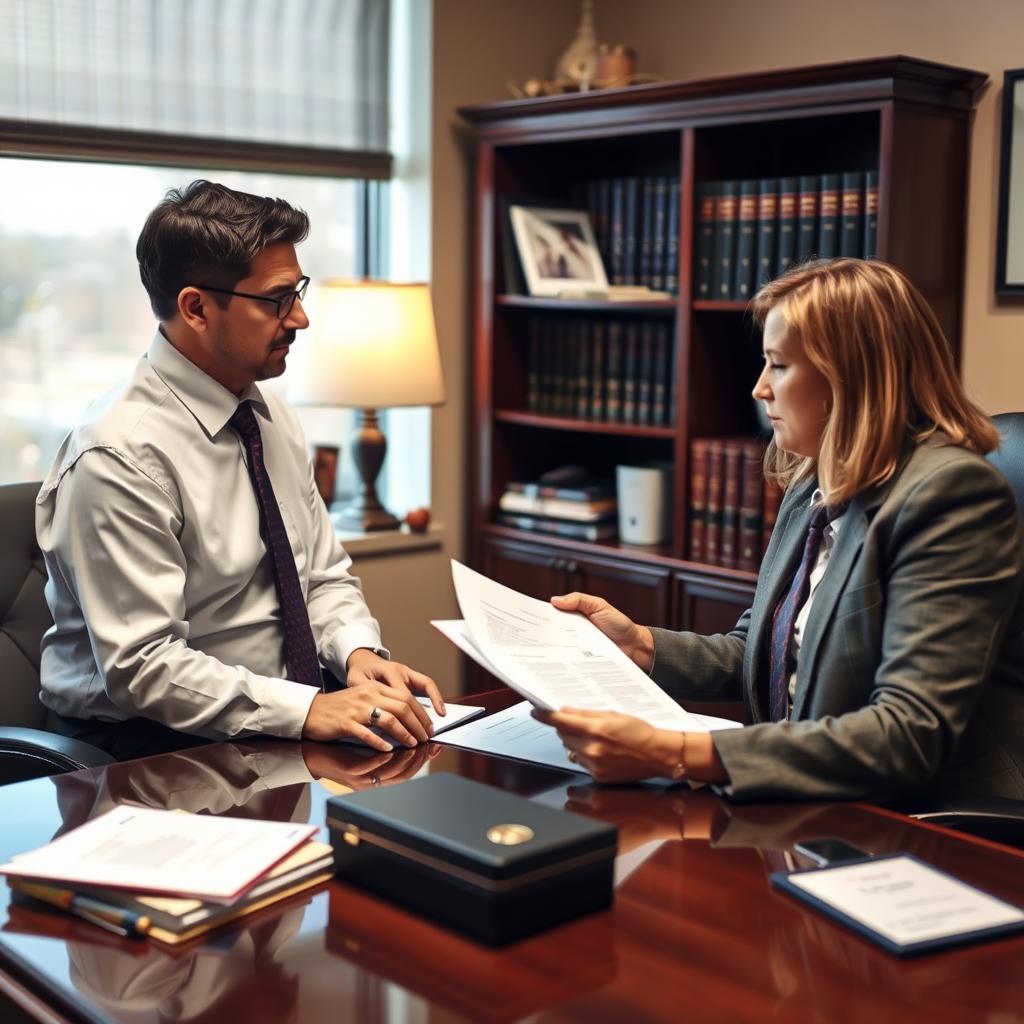
VAWA Immigration Lawyer Manassas, VA
If you or someone you love has endured domestic violence at the hands of a U.S. Citizen or lawful permanent resident spouse, parent, or adult child, federal immigration law offers a critical path to safety and lawful status without depending on the abuser. The Violence Against Women Act (VAWA) enables qualifying noncitizens to file a confidential self‑petition, and residents of Manassas, Virginia can turn to Law Offices Of SRIS, P.C. for experienced guidance throughout the process. Mr. Sris, Owner and Founder of the firm, works together with the firm’s Of Counsel attorneys to prepare compelling VAWA self‑petitions, gather the necessary documentation, and represent petitioners before U.S. Citizenship and Immigration Services (USCIS). VAWA cases filed by Manassas residents are processed through the USCIS Washington District Office at 2675 Prosperity Avenue in Fairfax and, if removal proceedings arise, before the Arlington Immigration Court. Reach Law Offices Of SRIS, P.C. at (888) 437‑7747 to schedule a consultation. Law Offices Of SRIS, P.C. – Advocacy Without Borders.
What VAWA Immigration Means in Manassas
Immigration relief through VAWA allows noncitizen victims of battery or extreme cruelty to petition for lawful permanent resident status independently of the abuser. The law, found principally at 8 U.S.C. § 1154(a)(1)(A)(iii)–(iv), protects spouses, former spouses, intended spouses, and children of U.S. Citizens or lawful permanent residents, as well as parents of U.S. Citizen adult children who have been subject to abuse. A VAWA self‑petition (Form I‑360) is filed with USCIS, and the entire process is confidential—USCIS is prohibited from disclosing the petition or any related information to the abuser.
For Manassas and Prince William County residents, the affirmative application (the initial filing and any supporting evidence) is adjudicated at the USCIS Washington District Office in Fairfax. If the petitioner is in removal proceedings or if deportation becomes a concern, the case may also come before the Arlington Immigration Court. The firm’s attorneys are familiar with the officers, the filing protocols, and the specific evidentiary expectations at these venues. Because eligibility for a VAWA self‑petition turns on detailed documentary proof—police reports, protective orders, medical records, sworn statements, and evidence of the abuser’s citizenship or permanent-resident status—the support of a legal team that understands the Manassas‑area resources and the federal immigration framework can be instrumental. Law Offices Of SRIS, P.C. Concentrates on helping clients build a complete, well‑organized petition that meets the standards prosecutors and adjudicators apply.
How Mr. Sris and the Firm’s Of Counsel Attorneys Handle VAWA Immigration Cases
The firm takes a hands‑on, matter‑focused approach to each VAWA matter. Mr. Sris, a former prosecutor, works alongside the firm’s Of Counsel attorneys to develop a strategy tailored to the client’s facts. The process typically begins with a thorough consultation to determine eligibility, to identify an appropriate evidence of abuse, and to discuss any immigration‑related timelines or bars that could affect the case. From there, the legal team helps draft the self‑petition, assembles a supporting evidentiary package, and guides the client through every step—from filing with USCIS through biometrics and, if required, an interview.
Because the firm’s attorneys have assisted a substantial number of individuals in Northern Virginia communities, they are familiar with the local dynamics that can affect a VAWA case—including the availability of protective‑order relief through the Prince William County Juvenile and Domestic Relations District Court and the interplay between family‑court proceedings and immigration petitions. Throughout the representation, the focus remains on presenting a credible case that satisfies the statutory requirements while protecting the client’s confidentiality and safety. The firm works to obtain a favorable decision on the I‑360 and, when eligible, adjustment of status to lawful permanent residence. Throughout the matter, Mr. Sris and the firm’s Of Counsel attorneys remain available to address questions and to adjust the strategy as circumstances evolve.
About Mr. Sris and the Firm’s Of Counsel Attorneys
Mr. Sris founded Law Offices Of SRIS, P.C. in 1997 and leads the firm’s immigration practice. A former prosecutor, he brings a practical understanding of how government agencies evaluate evidence—a perspective that serves VAWA petitioners well when they must prove abuse to an immigration officer or before the Arlington Immigration Court. Mr. Sris is admitted to practice in Virginia, Maryland, the District of Columbia, New Jersey, and New York, and he testified before the Virginia House Courts of Justice Committee in support of 2019 HB 635 (chief patron Del. David Bulova). Over more than two decades, he has guided clients through the full spectrum of immigration matters, including family‑based petitions, deportation defense, and humanitarian applications such as VAWA self‑petitions.
The firm’s Of Counsel attorneys contribute additional depth in immigration case preparation, documentation, and advocacy. Together, Mr. Sris and the firm’s Of Counsel team have helped clients pursue lawful status through a variety of immigration pathways. The firm is committed to providing attentive, confidential service to individuals in Manassas, Prince William County, and the surrounding Northern Virginia region.
Frequently Asked Questions
What is a VAWA self‑petition?
A VAWA self‑petition is a confidential petition filed by a noncitizen who has suffered battery or extreme cruelty from a qualifying family member who is a U.S. Citizen or lawful permanent resident. The Violence Against Women Act allows eligible victims to seek lawful permanent resident status independently, without the abuser’s knowledge or consent. The petition is submitted on Form I‑360 to USCIS and, if approved, can lead to a green card. The self‑petitioning process is designed to protect victims who might otherwise be trapped in abusive relationships due to immigration‑status dependency. For guidance, reach Law Offices Of SRIS, P.C. at (888) 437‑7747.
Who is eligible to file a VAWA self‑petition?
Spouses, former spouses, intended spouses, and children of U.S. Citizens or lawful permanent residents may be eligible to file a VAWA self‑petition if they have experienced battery or extreme cruelty during the relationship. In addition, parents of U.S. Citizen adult children who have been subjected to abuse by that child can qualify. Petitioners must demonstrate good moral character, have resided with the abuser, and show that they currently reside in the United States (with some exceptions). The evidentiary requirements are strict and include credible documentation of the abuse. Mr. Sris and the firm’s Of Counsel attorneys can help evaluate your situation and assemble the necessary proof.
Do I need an attorney to file a VAWA self‑petition?
While you are not legally required to hire an attorney to file a VAWA self‑petition, skilled legal assistance is strongly recommended. VAWA petitions demand precise documentation, detailed personal declarations, and a thorough understanding of immigration‑law standards. Errors or deficiencies can lead to delays, Requests for Evidence, or denial. Working with an experienced immigration attorney can help you present a stronger case and avoid common pitfalls. For a consultation, contact Law Offices Of SRIS, P.C. at (888) 437‑7747.
How long does it take to get a VAWA self‑petition approved?
Processing times for VAWA self‑petitions vary depending on USCIS caseloads and the complexity of the individual case. There is no fixed timeline; some petitions are adjudicated in a matter of months, while others may take longer if additional evidence is requested or if background‑check delays arise. The firm works to submit a complete, well‑supported packet from the outset to minimize processing time and to respond promptly to any USCIS inquiries. Each matter is different, and the timeline will depend on the specific facts of your situation.
Will my abuser be notified of my VAWA petition?
USCIS is prohibited by law from disclosing information about a VAWA self‑petition to the abuser or to anyone who might alert the abuser. This confidentiality protection is a cornerstone of the VAWA process. Neither the abuser nor the abuser’s attorney, employer, or family members will be informed that you have filed a petition. The firm takes every precaution to maintain confidentiality and to help petitioners navigate the process in a manner that safeguards their safety and privacy.
Can I work while my VAWA petition is pending?
You may be eligible to apply for employment authorization once your VAWA self‑petition has been preliminarily approved (received a “prima facie” determination) or if you fall under certain other categories that allow concurrent filing for a work permit. A properly supported I‑360 that demonstrates eligibility will allow you to file Form I‑765 for an Employment Authorization Document (EAD) at the appropriate stage. The firm can advise on when and how to apply to ensure you are able to support yourself while the green‑card process moves forward.
Attorney advertising. Prior results do not guarantee a similar outcome.
Results may vary.
Case results depend on a variety of factors unique to each case.