
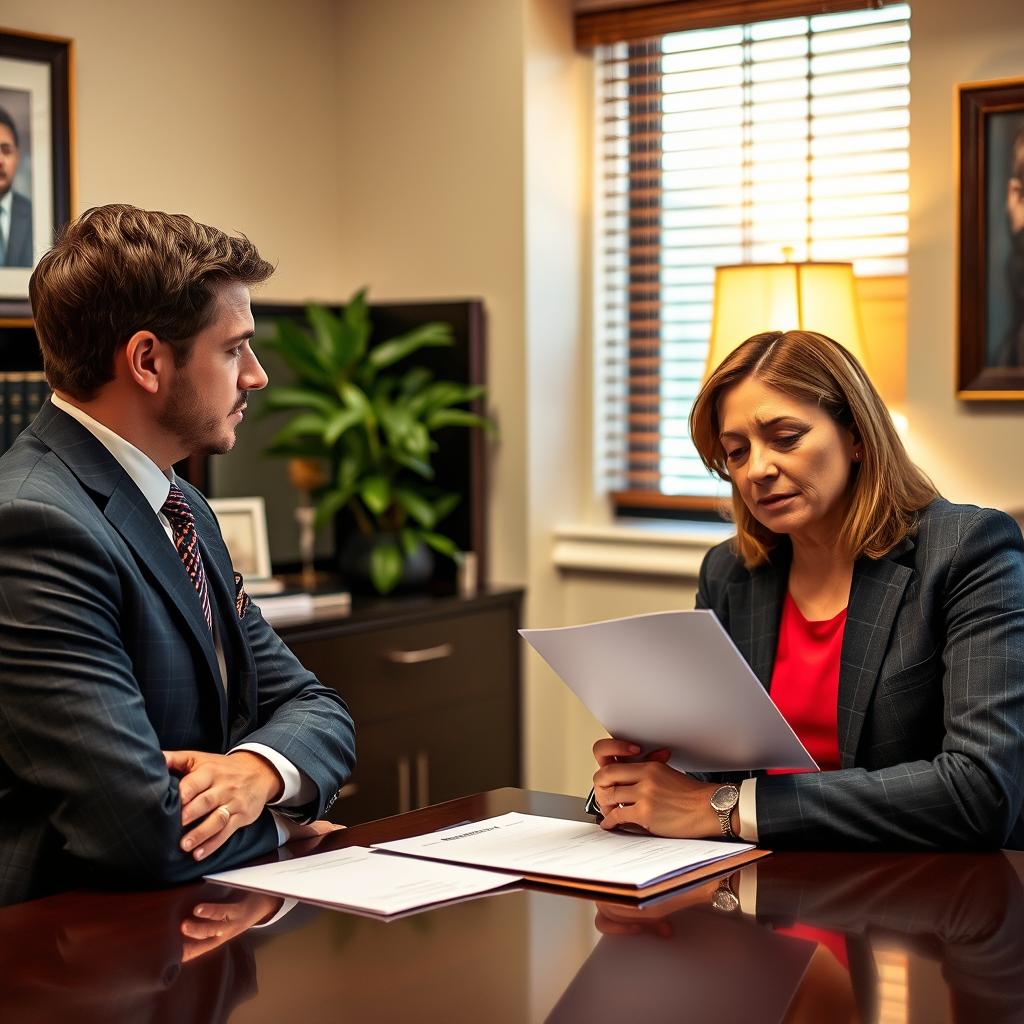
Consular Processing Lawyer Lexington, VA
(888) 437-7747 — Phones answered 24 hours a day, 365 days a year.
Consular processing is the pathway for individuals outside the United States to obtain lawful permanent residence through a U.S. Embassy or consulate abroad. For residents of Lexington, Virginia—a city defined by its academic institutions, including Virginia Military Institute and Washington and Lee University—the consular processing route often applies when a family member or employer sponsors a visa and the applicant is already overseas or chooses to complete the process in their home country. Mr. Sris and the firm’s Of Counsel attorneys assist clients throughout the Shenandoah Valley and along the I-81 corridor, preparing petitions, assembling documentation, and guiding applicants through National Visa Center processing and the final consular interview. Immigration law is exclusively federal, and the same statutes and regulations apply in Lexington as anywhere in the country, but having an attorney who understands the local community’s international ties—including the diaspora populations connected to Lexington’s universities—can make a meaningful difference. Reach Law Offices Of SRIS, P.C. at (888) 437-7747 to discuss your consular processing matter.
What Consular Processing Means in Lexington, Virginia
Consular processing is the procedure by which a person already outside the United States—or someone inside the country who elects to finalize their case abroad—applies for an immigrant visa at a U.S. Embassy or consulate. It is distinct from adjustment of status, which is available only to individuals who are physically present in the United States and meet specific eligibility requirements under the Immigration and Nationality Act. In Lexington, where many families and international scholars are connected to Washington and Lee University and Virginia Military Institute, consular processing frequently arises when a U.S. Citizen or lawful permanent resident relative sponsors a family-based immigrant visa, or when an employer seeks to bring a worker from overseas.
For Lexington residents, the initial petition—typically Form I-130 for family sponsorship or Form I-140 for employment-based cases—is adjudicated by the appropriate USCIS service center. Once the petition is approved and a visa number becomes available, the case is transferred to the National Visa Center (NVC), which collects the required civil documents, the affidavit of support, and the visa application fee. The final stage is the interview at the designated U.S. Embassy or consulate in the applicant’s home country. Mr. Sris and the firm’s Of Counsel attorneys represent Lexington clients at every step, from preparing the initial filing to responding to consular inquiries and remedying issues that may result in a visa refusal under Section 221(g) of the Immigration and Nationality Act. Our Shenandoah location at 505 N Main St, Suite 103, Woodstock, VA 22664 is available by appointment to serve Lexington-area individuals and families navigating these federal procedures.
How Mr. Sris and the Firm’s Of Counsel Attorneys Handle Consular Processing Cases
Consular processing involves a sequence of agency interactions that demand careful preparation and timely responses. Mr. Sris and the firm’s Of Counsel attorneys begin by evaluating the sponsor’s relationship to the beneficiary and confirming the appropriate visa classification and priority date under the Visa Bulletin. The firm prepares the family-based or employment-based petition with the supporting evidence that USCIS requires, and if a Request for Evidence (RFE) or a Notice of Intent to Deny (NOID) is issued, the firm gathers additional documentation and submits a thorough response to protect the petition.
After USCIS approves the petition, the firm’s work shifts to the NVC stage. This includes assembling the applicant’s civil documents—birth and marriage certificates, police clearances, and, where required, certified translations—and preparing the affidavit of support (Form I-864) to satisfy the public-charge requirements. The firm also guides applicants through the DS-260 online immigrant visa application and schedules the consular interview. Before the interview, Mr. Sris and the firm’s Of Counsel attorneys conduct a thorough preparation session to review likely questions, organize the final document packet, and address any potential inadmissibility issues. If the consular officer returns the case to USCIS under Section 221(g) for further review or requests additional evidence, the firm stays engaged until the case is resolved.
About Mr. Sris and the Firm’s Of Counsel Attorneys
Mr. Sris is Owner and Founder of Law Offices Of SRIS, P.C., which has served clients throughout Virginia, Maryland, the District of Columbia, New Jersey, and New York since 1997. A former prosecutor, Mr. Sris brings a distinctive perspective to immigration practice—one shaped by an appreciation for procedural rigor and the importance of building a well-documented record. He testified before the Virginia House Courts of Justice Committee in support of 2019 HB 635 (chief patron Del. David Bulova). Mr. Sris is admitted to practice in all five of the firm’s jurisdictions.
The firm’s Of Counsel attorneys contribute a breadth of experience across federal immigration, family, and criminal matters. Mr. Sris and the firm’s Of Counsel attorneys bring extensive combined legal experience to every consular processing case. Mr. Sris and the firm’s Of Counsel attorneys have documented case results in Lexington City and across Virginia. Results may vary. Clients receive focused attention on the documentary and procedural details that consular processing demands, from the initial petition through the final interview abroad.
Frequently Asked Questions
What is consular processing?
Consular processing is the method by which a person outside the United States, or someone who chooses to leave the country to complete the process, applies for an immigrant visa at a U.S. Embassy or consulate abroad. Unlike adjustment of status—which is for applicants already lawfully inside the U.S.—consular processing requires the beneficiary to attend an in-person visa interview at the designated consular post. Once the visa is approved and stamped in the passport, the person travels to the United States and becomes a lawful permanent resident upon admission.
How does consular processing differ from adjustment of status?
Adjustment of status allows eligible individuals already physically present in the United States to obtain a green card without leaving the country, while consular processing requires the applicant to go through a U.S. Embassy or consulate abroad. The eligibility criteria for the underlying visa category are the same; the difference is procedural. Consular processing is mandatory when the applicant is outside the United States or when an adjustment application is not available—for example, for many family-preference beneficiaries who are not immediate relatives.
What documents are needed for consular processing?
A typical consular processing case requires the approved USCIS petition notice, the applicant’s passport, birth certificate, marriage certificate (if applicable), police clearances from every country of residence since age 16, military records, and a sealed medical examination from an embassy-approved physician. The petitioner must also submit an affidavit of support (Form I-864) with tax returns, pay stubs, and employer verification to demonstrate that the intending immigrant will not become a public charge. Translation requirements vary by consulate, and the NVC will reject documents that do not meet its formatting standards.
How long does consular processing take?
The duration of consular processing depends on the visa category, the embassy’s caseload, and how quickly the applicant submits the required documents. For immediate relatives of U.S. Citizens—spouses, parents, and unmarried children under 21—the period from USCIS petition filing to visa issuance typically ranges from 8 to 14 months. Family-preference categories and certain employment-based cases can take longer, sometimes several years, depending on the availability of visa numbers under the annual statutory limits. Individual case timelines differ; contact the firm for a consultation about your specific situation.
What are the government fees for consular processing?
USCIS charges a filing fee for the underlying petition—$675 for Form I-130 (family petition) or $715 for Form I-140 (employment-based petition), as of the current fee schedule—plus an immigrant visa application fee and an affidavit of support fee collected by the National Visa Center. The immigrant visa fee varies by category and is subject to change. Additionally, the applicant must pay for the required medical examination and obtain any necessary translations. Total costs depend on the specific visa classification and the number of family members. Fee waivers are available in limited circumstances for income-eligible applicants.
Do I need to attend the consular interview in person?
Yes, the visa applicant must ordinarily appear in person at the designated U.S. Embassy or consulate for the immigrant visa interview. Exceptions are very limited—for instance, children under a certain age may not be required to attend, but the interviewing officer has discretion. The interview is a critical step where the consular officer reviews the application, confirms the relationship or employment basis, and screens for any grounds of inadmissibility. Thorough preparation with counsel helps ensure that the applicant is ready to answer questions accurately and present the necessary original documents.
What happens if the visa is denied under Section 221(g)?
A refusal under Section 221(g) of the Immigration and Nationality Act is not a final denial; it is a temporary hold that lists specific documents or information the consular officer needs before the case can be reassessed. Common reasons include missing civil documents, an incomplete medical exam, or the need for additional evidence of the qualifying relationship. The applicant is given a refusal sheet with instructions. Once the requested items are submitted, the consulate resumes processing. If the case is returned to USCIS for further review and possible revocation of the underlying petition, the firm provides a substantive response to address the issues raised.
Can I work in the United States while consular processing is pending?
No—consular processing does not confer any interim work authorization or lawful status inside the United States. The applicant remains outside the country and does not receive employment authorization until the immigrant visa is issued and they are admitted as a lawful permanent resident. In contrast, an applicant who is already in the United States and eligible to adjust status may be able to obtain a work permit while the green card application is pending. Those who must use consular processing should plan for the financial implications of remaining abroad until the visa is granted.
What is administrative processing, and how does it affect my case?
Administrative processing is a period of additional background review that the consular officer may place a case into after the interview, and its length varies considerably depending on the consulate and the nature of the check. Most administrative processing resolves within a few weeks to a few months, but some cases can remain pending for an extended time. The consular officer may not provide a detailed reason, and the applicant generally cannot expedite the review except in limited emergency circumstances. While administrative processing is ongoing, the visa cannot be issued, and the applicant should avoid making travel or relocation commitments until the case is concluded.
Does the firm handle consular processing at embassies outside the applicant’s home country?
Yes, the firm assists clients with consular processing at U.S. Embassies and consulates around the world, including in cases where the applicant is a third-country national residing in a different country. The procedures and required documents may change slightly depending on the specific consular post, and some posts have unique local requirements or interview scheduling systems. Mr. Sris and the firm’s Of Counsel attorneys coordinate with the National Visa Center and the consulate to ensure that the application package complies with post-specific instructions and that the applicant is prepared for any country-specific procedural nuances.
Related immigration pages:
Official sources:
- USCIS — Consular Processing
- U.S. Department of State — The Immigrant Visa Process
Attorney advertising. Prior results do not guarantee a similar outcome.
Case results depend on a variety of factors unique to each case. Results may vary.
Contact Law Offices Of SRIS, P.C. at (888) 437-7747 to schedule a consultation. Our Shenandoah location at 505 N Main St, Suite 103, Woodstock, VA 22664 serves Lexington residents and the surrounding Rockbridge County area. By appointment only.