
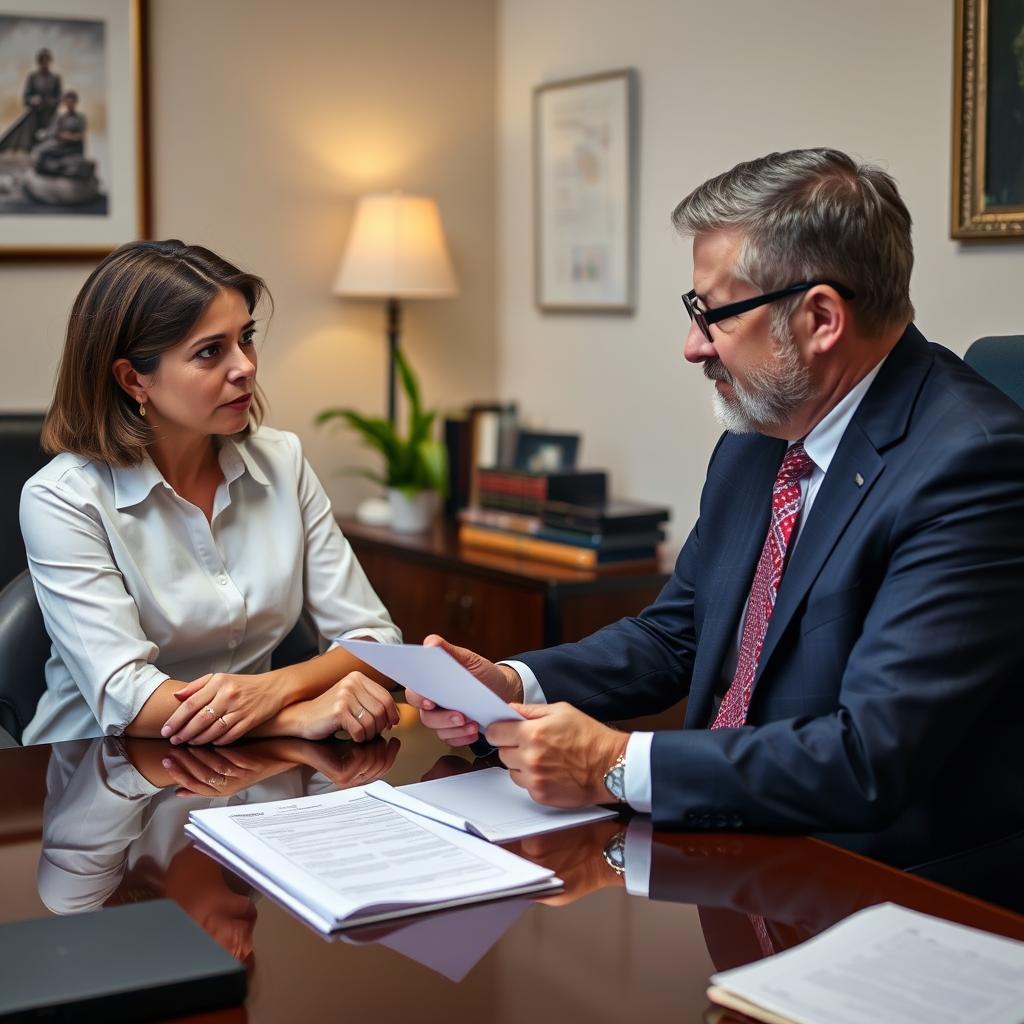
Family Visa Lawyer Frederick County, VA
Obtaining a family visa can reunite spouses, parents, children, and siblings, yet the process involves detailed paperwork, strict eligibility standards, and long government processing timelines. Law Offices Of SRIS, P.C. assists families throughout Frederick County, Virginia—including Winchester, Stephens City, Middletown, Clear Brook, and Gore—with family-based immigration petitions and applications for lawful permanent residence. The firm’s Shenandoah location serves clients who file with U.S. Citizenship and Immigration Services (USCIS) at the Washington District Office in Fairfax and who may appear before the Arlington Immigration Court for removal proceedings. Mr. Sris, Owner and Founder of the firm, and the firm’s Of Counsel attorneys work with families to prepare I-130 petitions, adjustment-of-status applications, consular processing, and related immigration matters. To request a consultation, call (888) 437-7747. Law Offices Of SRIS, P.C. – Advocacy Without Borders.
What Family Visas Mean for Frederick County Families
Family-based immigration allows a U.S. Citizen or lawful permanent resident to petition for certain relatives to immigrate to the United States. The process falls under the Immigration and Nationality Act, and eligibility depends on the relationship between the petitioner and the beneficiary. Immediate relatives of U.S. Citizens—spouses, unmarried children under 21, and parents of petitioning citizens age 21 or older—are not subject to annual numerical limits. Other family preference categories, including adult sons and daughters, siblings, and married children, are subject to annual worldwide caps and may face extended waiting periods based on per-country limits.
Frederick County residents seeking family visas work with USCIS and, when necessary, with the Executive Office for Immigration Review. Affirmative applications typically proceed through the USCIS Washington District Office at 2675 Prosperity Avenue in Fairfax. Cases involving removal proceedings or defensive applications are heard at the Arlington Immigration Court, located at 1901 South Bell Street in Arlington. The firm’s Shenandoah location, at 505 N Main Street, Suite 103, Woodstock, is positioned to serve clients along the I-81 corridor who need to attend appointments at these federal facilities. The firm’s attorneys have experience across the full range of family-based petitions: spouse visas, fiancé(e) visas, parent visas, sibling visas, and petitions for children, as well as applications to remove conditions on residence and to address complex issues such as hardship waivers.
How Mr. Sris and the Firm’s Of Counsel Attorneys Handle Family Visa Cases
The process of bringing a family member to the United States may involve multiple stages. The first step is filing a petition to establish the qualifying relationship—usually Form I-130 for immediate relatives and family preference categories, or Form I-129F for a fiancé(e). The petitioner must provide documentation such as a birth certificate, marriage certificate, and evidence of the petitioner’s U.S. Citizenship or lawful permanent resident status. If the beneficiary is already in the United States and eligible, the firm assists with adjustment of status, including the preparation of Form I-485 and the collection of financial and biographical information. For beneficiaries living abroad, the process moves to consular processing at a U.S. Embassy or consulate in their home country.
Mr. Sris and the firm’s Of Counsel attorneys evaluate the specific facts of each case to identify potential obstacles—such as prior immigration violations, criminal history, or public-charge issues—and to develop a strategy that addresses those concerns before filing. The firm’s attorneys are familiar with the documentary standards and procedural requirements that USCIS and immigration courts apply to family visa cases. They guide clients through requests for evidence, preparing the necessary affidavits and supporting materials to present a complete file. The timeline for a family visa case depends on the visa category, USCIS processing times, and whether an interview is required. The firm works to move each case forward efficiently and keeps clients informed at every stage.
About Mr. Sris and the Firm’s Of Counsel Attorneys
Mr. Sris is the Owner and Founder of Law Offices Of SRIS, P.C. He has been practicing since 1997 and is a former prosecutor. He testified before the Virginia House Courts of Justice Committee in support of 2019 HB 635 (chief patron Del. David Bulova). Mr. Sris is admitted to practice in Virginia, Maryland, the District of Columbia, New Jersey, and New York. The firm’s Of Counsel attorneys bring experience in immigration and related fields. One Of Counsel attorney is a former Virginia State Trooper, whose background includes familiarity with investigative procedures and documentation standards that can be relevant to immigration cases intersecting with criminal matters. Together, Mr. Sris and the firm’s Of Counsel attorneys offer knowledgeable guidance for Frederick County families navigating the family visa process.
Frequently Asked Questions
What is a family-based visa?
A family-based visa allows a U.S. Citizen or lawful permanent resident to sponsor certain relatives to enter or remain in the United States. The process begins with a petition submitted to U.S. Citizenship and Immigration Services (USCIS). Immediate relatives of U.S. Citizens—spouses, unmarried children under 21, and parents—have the highest priority and are not subject to annual numerical caps. Other family relationships fall into preference categories that are subject to per-country limits. Once the petition is approved and a visa number is available, the beneficiary may apply for an immigrant visa through consular processing abroad or, if already in the United States, may seek to adjust status to lawful permanent residence. The firm assists clients with each step and with related applications, such as waivers of inadmissibility.
How long does it take to get a family visa?
Processing times for family visas vary widely depending on the visa category, USCIS workload, and the beneficiary’s country of origin. For immediate relatives of U.S. Citizens, the process—from petition filing to visa issuance or adjustment of status—can take many months. For family preference categories, such as siblings or married children of citizens, the wait for an available visa number can extend for several years because of annual statutory limits. The firm monitors current USCIS processing times and visa bulletin priority dates to help clients understand their estimated timeline. Once a case is filed, Mr. Sris and the firm’s Of Counsel attorneys track the case and respond promptly to any requests for additional evidence.
What documentation do I need for a family green card?
A family green card application requires proof of the qualifying relationship, proof of the petitioner’s U.S. Citizenship or lawful permanent resident status, and evidence that the beneficiary is eligible to adjust status or receive an immigrant visa. Common documents include birth certificates, marriage certificates, divorce decrees, passport-style photographs, and financial support affidavits. The petitioner must also submit Form I-130 and, if the beneficiary is in the United States, Form I-485 and Form I-864 (Affidavit of Support). The exact list varies by case. The firm reviews each client’s situation, identifies the required documents, and helps assemble a complete package before filing to minimize delays.
Do I need a lawyer to apply for a family visa?
You are not required to hire a lawyer to apply for a family visa, but legal guidance can help avoid costly mistakes and delays. Immigration forms are complex, and USCIS may deny or request additional evidence on incomplete applications. A lawyer can assess whether the relationship qualifies under the applicable statute, identify potential inadmissibility issues, and prepare a well-supported filing. For clients in Frederick County, Law Offices Of SRIS, P.C. offers consultations to discuss the specifics of the case. To schedule a consultation, call (888) 437-7747.
What happens if my family visa petition is denied?
If USCIS denies a family visa petition, the petitioner may be able to appeal or file a motion to reopen or reconsider the decision, depending on the basis for the denial. The denial notice typically explains the reason and advises whether an appeal is available. In some cases, refiling with additional evidence is a more practical route. If the denial occurred during removal proceedings, the immigration judge may have jurisdiction to review the petition or grant other relief. The firm’s attorneys evaluate the denial notice and the underlying facts to recommend the most appropriate next step for the client.
Can I work while my family visa is pending?
Whether the beneficiary may work during the family visa process depends on the type of visa and whether work authorization is separately applied for and granted. A fiancé(e) who enters on a K-1 visa may have limited work authorization through an Employment Authorization Document (EAD). Individuals who have filed an adjustment-of-status application may apply for an EAD concurrently on Form I-765. Until the EAD is approved, working without authorization could have immigration consequences. The firm advises clients on the rules that apply to their specific situation to help maintain lawful status throughout the process.
What is the difference between consular processing and adjustment of status?
Consular processing takes place at a U.S. Embassy or consulate in the beneficiary’s home country, while adjustment of status is filed from within the United States for beneficiaries already present under a lawful entry. Consular processing is generally used when the beneficiary is abroad and cannot enter the United States until the immigrant visa is approved. Adjustment of status is an option for beneficiaries who entered the United States lawfully and meet other eligibility requirements. The choice between the two paths can affect processing time, interview location, and travel flexibility. The firm helps clients select the appropriate method based on the facts of the case.
How can I bring my spouse to the United States as a lawful permanent resident?
A U.S. Citizen may file Form I-130 to classify a spouse as an immediate relative, which is not subject to annual visa limits. Once the petition is approved, the spouse may either go through consular processing abroad or, if already in the United States and eligible, apply for adjustment of status. The process requires a valid marriage certificate, proof of the petitioner’s citizenship, evidence of a bona fide marriage, and financial support documentation. The firm assists with the full process, from initial petition through interview preparation. Contact Law Offices Of SRIS, P.C. at (888) 437-7747 for further information.
For additional information on family-based immigration topics in nearby counties, see:
- Immigration Lawyer Clarke County, VA
- Immigration Lawyer Shenandoah County, VA
- Immigration Lawyer Warren County, VA
- Immigration Lawyer Rockingham County, VA
- Immigration Lawyer Augusta County, VA
Primary immigration law sources:
Attorney advertising. Prior results do not guarantee a similar outcome.
Results may vary.
Case results depend on a variety of factors unique to each case.