
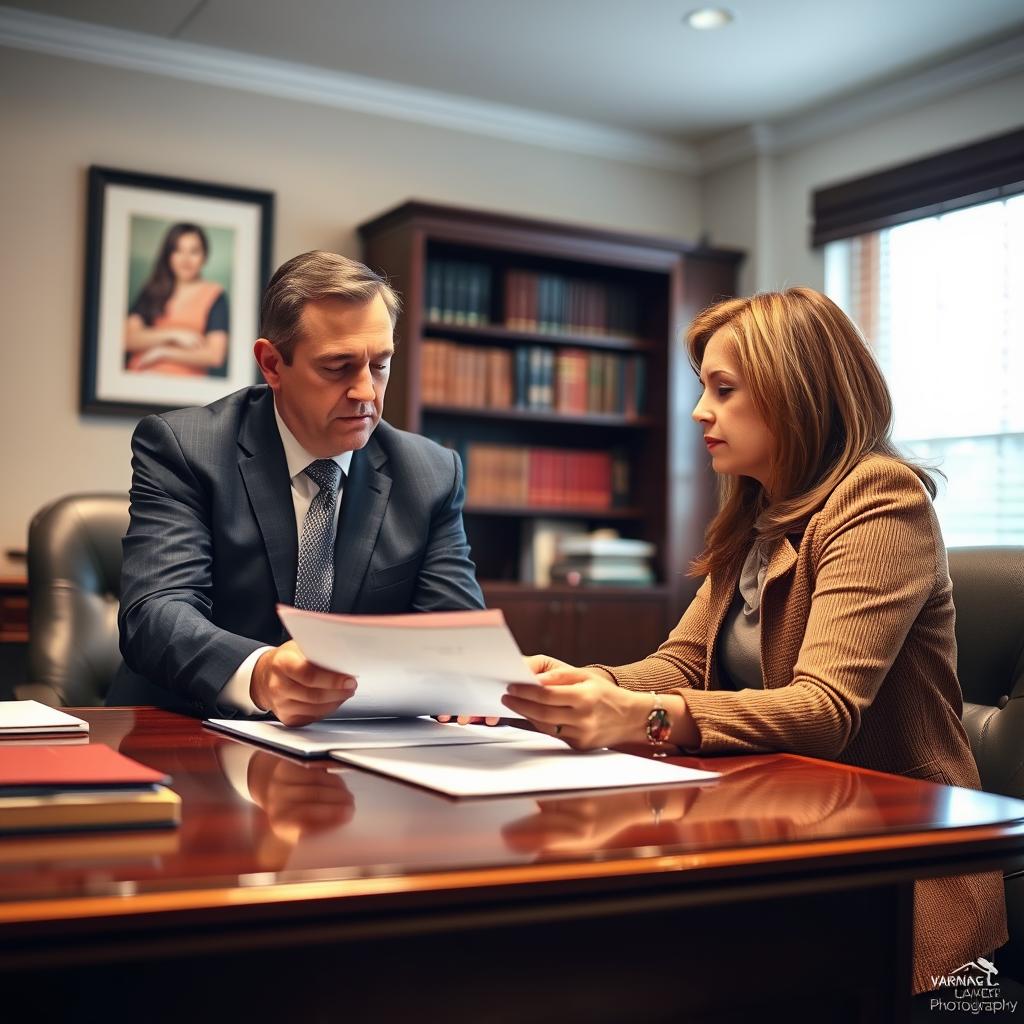
K-3 Spouse Visa Lawyer Caroline County, VA
You married the love of your life in another country and filed the immigrant visa petition. Now the wait feels endless, and your spouse is still abroad. For residents of Caroline County, Virginia, a K‑3 spouse visa may speed up the reunion by allowing your spouse to enter the United States while the underlying green‑card petition is pending. The process involves careful coordination with U.S. Citizenship and Immigration Services, the National Visa Center, and the consular post overseas. At Law Offices Of SRIS, P.C., Mr. Sris and the firm’s Of Counsel attorneys guide Caroline County families through each step. Reach us at (888) 437‑7747 to discuss your situation. Law Offices Of SRIS, P.C. – Advocacy Without Borders.
How a K‑3 Visa Can Help You Bring Your Spouse to Caroline County
The K‑3 classification, authorized by the Immigration and Nationality Act, is a nonimmigrant visa designed for the spouse of a U.S. Citizen who has an approved or pending Form I‑130, Petition for Alien Relative. Once admitted, the spouse can live in the United States while waiting for the immigrant visa to become available and may apply for adjustment of status. Because immigration rules and processing times change frequently, Caroline County families benefit from experienced guidance. Mr. Sris and his Of Counsel have extensive combined legal experience handling family‑based immigration matters and work to keep cases moving despite shifting policies.
Caroline County residents file affirmative applications with the USCIS Washington District Office in Fairfax. If a case involves removal proceedings, the Arlington Immigration Court hears the matter. Understanding which agency has jurisdiction and how local federal offices operate is essential to avoiding delays or denials. Our firm stays current on USCIS policy updates and applies that knowledge to every K‑3 petition we prepare.
Results may vary.
What to Expect When You File a K‑3 Petition
The process begins with filing Form I‑129F, Petition for Alien Fiancé(e), with USCIS. Although typically used for fiancé(e) visas, this form is also the vehicle for a K‑3 spouse visa. The petition requires proof of the marriage and a copy of the I‑130 receipt or approval notice. After USCIS approves the I‑129F, the case moves to the National Visa Center and then to the U.S. Embassy or consulate in the spouse’s home country for an interview. The timeline depends on the volume of applications and the caseload at the consular post. We prepare clients for the interview and help assemble the documentary evidence that consular officers expect.
Once the K‑3 visa is issued, your spouse can travel to Caroline County, and upon entry will be admitted in K‑3 nonimmigrant status. The next step is filing Form I‑485 to adjust status to lawful permanent resident. Eligibility for adjustment depends on the continued validity of the underlying I‑130 and the spouse’s admissibility. We guide clients through the entire chain — from the initial I‑130 through the final green‑card approval — and alert them to potential pitfalls such as unlawful presence bars or prior visa overstays that could complicate a case.
Potential Challenges and How We Address Them
Although a K‑3 visa does not involve criminal penalties, errors in the application or misrepresentations during the consular interview can lead to a finding of inadmissibility. A waiver may then be necessary, requiring a showing of extreme hardship to a qualifying U.S.‑citizen relative. Immigration law is exclusively federal, and our firm’s practice across Virginia, Maryland, Washington, D.C., New Jersey, and New York gives us a broad perspective on how different USCIS field offices and consulates approach these petitions. Mr. Sris, Owner and Founder of Law Offices Of SRIS, P.C., testified before the Virginia House Courts of Justice Committee in support of 2019 HB 635 and brings that same commitment to advocating for families in the immigration arena.
We also help clients understand the relationship between a K‑3 visa and other nonimmigrant visa categories, such as the K‑1 fiancé(e) visa or a B‑2 visitor visa, and advise on the documentation needed to overcome public‑charge concerns. Every case is different; we tailor our approach to your specific facts and goals.
About Mr. Sris and the Firm’s Of Counsel Attorneys
Mr. Sris, a former prosecutor, founded Law Offices Of SRIS, P.C. in 1997. He is admitted in Virginia, Maryland, the District of Columbia, New Jersey, and New York. The firm’s Of Counsel attorneys bring extensive combined legal experience to immigration, family‑based petitions, and a range of other practice areas. Together, Mr. Sris and the firm’s Of Counsel attorneys have represented Caroline County residents in affirmative applications before USCIS and in removal defense at the Arlington Immigration Court. Our team includes professionals who speak Spanish and Tamil, allowing us to communicate effectively with a diverse client base.
Frequently Asked Questions
What is the difference between a K‑3 visa and a K‑1 fiancé visa?
A K‑3 visa is for a spouse married abroad, while a K‑1 visa is for a fiancé(e) who has not yet married the U.S. Citizen petitioner. The K‑1 requires the couple to marry within 90 days of entry, after which the spouse files for adjustment of status. A K‑3 visa is used when the marriage already occurred abroad and an I‑130 is pending; the spouse enters as a nonimmigrant and later adjusts status. Both require an approved I‑129F from USCIS.
How long does the K‑3 visa process take?
Processing times vary; the K‑3 timeline depends on USCIS workload, consular scheduling, and the completeness of the application. After I‑129F approval, the case moves to the National Visa Center and the overseas consulate. Consular backlogs differ by country. We monitor case status and help clients respond promptly to any requests for evidence to avoid unnecessary delays.
Do I need a lawyer to file a K‑3 petition?
You are not legally required to have an attorney, but legal guidance helps ensure the application is complete, accurate, and supported by the right documents. A mistake on an immigration form can result in a denial, a request for evidence that prolongs the process, or even a finding of misrepresentation. Mr. Sris and the firm’s Of Counsel attorneys review each petition for potential issues before filing.
What documents are required for a K‑3 spouse visa?
You will typically need a marriage certificate, proof of the I‑130 filing, passport photographs, evidence of the U.S. Citizen’s status, and documentation of the bona fide marriage. The consular officer may also request financial support documents, police certificates, and medical exam results. We help Caroline County clients gather the specific paperwork required for their spouse’s country of nationality.
Can my spouse work in the U.S. On a K‑3 visa?
Yes, a K‑3 visa holder is eligible to apply for employment authorization after entering the United States. The spouse submits Form I‑765, Application for Employment Authorization, to USCIS. Processing of the work permit generally takes several months, but it allows the spouse to work legally while the green‑card application is pending.
What if the K‑3 visa is denied?
If the consular officer denies the K‑3 visa, you may be able to overcome the denial with additional evidence or seek a waiver, depending on the reason. Common grounds for denial include insufficient proof of the relationship, prior immigration violations, or failure to meet the financial support threshold. We analyze the denial letter and advise on next steps, which may include re‑filing, appealing, or pursuing alternative pathways such as consular processing of the immigrant visa.
For guidance on your specific situation, reach Law Offices Of SRIS, P.C. at (888) 437‑7747.
More immigration resources for Virginia families:
- Immigration representation in Fairfax County
- Prince William County immigration attorney
- Manassas City immigration lawyer
- Fairfax City immigration services
Official Virginia legal resources:
Attorney advertising. Prior results do not guarantee a similar outcome.
Results may vary. Case results depend on a variety of factors unique to each case.