
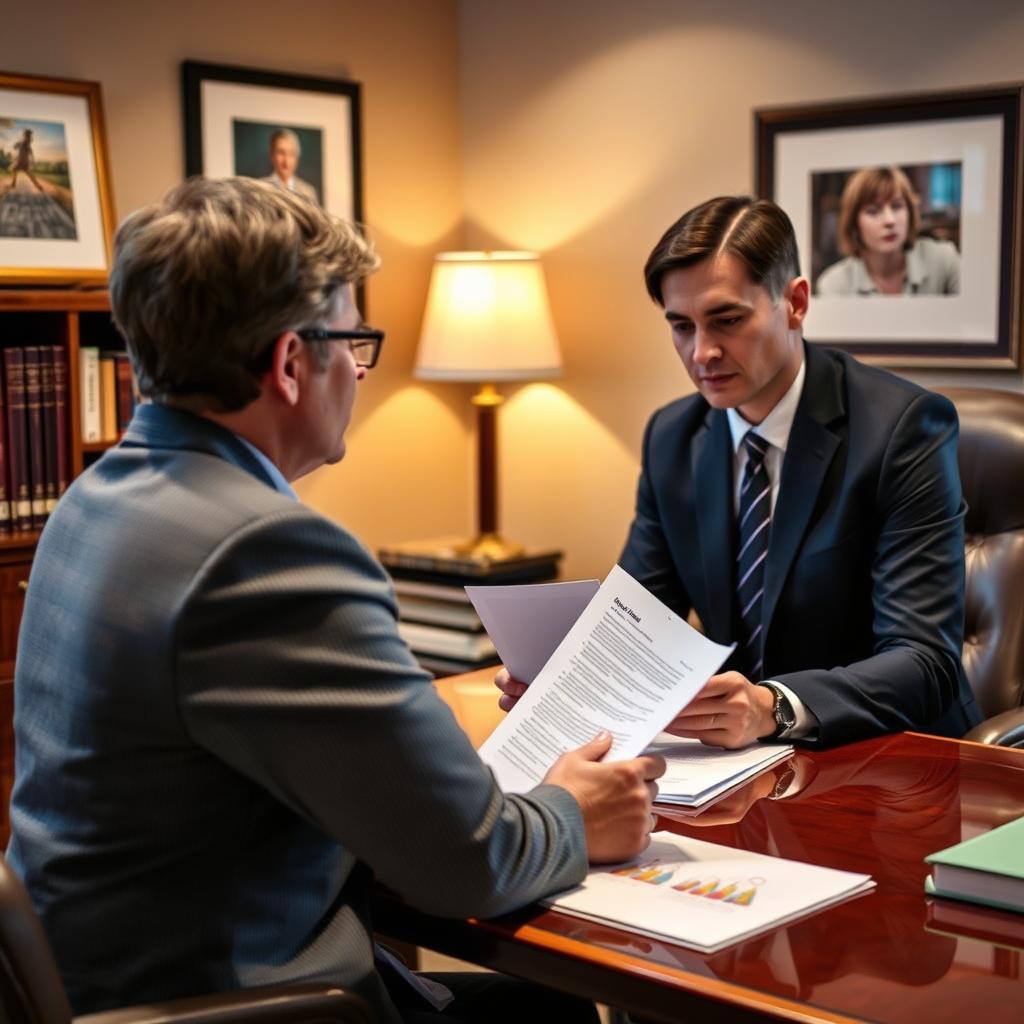
K-3 Spouse Visa Lawyer Orange County, VA
For Orange County residents navigating the K-3 spouse visa process, Law Offices Of SRIS, P.C. offers multi-state immigration representation centered on your family’s reunification. The K-3 nonimmigrant visa allows the foreign spouse of a U.S. Citizen to enter the United States while an immigrant visa petition is pending. Mr. Sris and his Of Counsel bring extensive combined legal experience to the preparation and tracking of your application, from the initial I-130 petition through consular processing and admission. Orange County families rely on the firm’s practical knowledge of how the U.S. Citizenship and Immigration Services (USCIS) Washington District Office, located in Fairfax, handles documentary requirements, interview scheduling, and administrative processing. To discuss your situation and determine whether a K-3 visa is the right path for your family, reach Law Offices Of SRIS, P.C. at (888) 437-7747. Law Offices Of SRIS, P.C. – Advocacy Without Borders.
What a K-3 Spouse Visa Means for Orange County, Virginia Families
Orange County is a community of small towns—Orange and Gordonsville—and rural countryside, where family ties are central. When a U.S. Citizen spouse living in Orange County petitions for a foreign-born spouse, the K-3 classification serves as a bridge between the couple’s physical separation and the final grant of lawful permanent residence. The K-3 visa is an interim, nonimmigrant visa category created by Congress to reduce the time that married couples spend apart while the underlying immigrant visa (I-130) is processed. Orange County residents file K-3 petitions through USCIS, and once approved, the foreign spouse appears for a visa interview at the designated U.S. Consulate abroad. After entry, the K-3 holder may apply for employment authorization and later adjust status to that of a lawful permanent resident. Mr. Sris and his Of Counsel guide Orange County clients through each step, ensuring that petitions are complete and that any Requests for Evidence (RFEs) are addressed promptly. Because the K-3 classification has diminished use in recent years—since USCIS often processes spouse petitions quickly—an experienced immigration attorney can assess whether a direct consular processing route may be more efficient for your circumstances.
Immigration matters for Orange County residents are processed at the USCIS Washington District Office at 2675 Prosperity Avenue in Fairfax, Virginia, for affirmative applications. If a case escalates to removal proceedings, hearings take place at the Arlington Immigration Court. The firm’s familiarity with these venues means your application is supported by attorneys who understand the expectations of local adjudicators and the procedural rhythms of each office. Mr. Sris and his Of Counsel maintain a practice that concentrates on family-based immigration, including K-3 visas, immediate relative petitions, and fiancé visas, and they stay current with policy changes from USCIS and the Department of State that affect Orange County applicants.
How Mr. Sris and His Of Counsel Handle K-3 Spouse Visa Cases
Every K-3 visa matter begins with a thorough assessment of eligibility. A K-3 petitioner must have already filed Form I-130, Petition for Alien Relative, on behalf of the foreign spouse. The firm reviews the I-130 to ensure it is properly filed and free of errors, then prepares and files the I-129F, Petition for Alien Fiancé(e)—the specific form used for K-3 classification—along with supporting documentation of the marriage’s validity and the U.S. Citizen’s status. Mr. Sris and his Of Counsel coordinate with the National Visa Center and the relevant U.S. Embassy or consulate overseas to track the case through administrative processing. Should an application encounter delays, the firm crafts a strategy based on the specific facts and communicates with consular officials to resolve obstacles. Throughout the process, Orange County clients receive clear explanations of what to expect—from biometrics and medical exams to the interview abroad—so that no step feels overlooked. The timeline for a K-3 visa varies by case; consular workloads, security clearances, and document completeness all play a role. An experienced immigration team works to present a well‑documented file that reduces the chance of unnecessary delays.
About Mr. Sris and the Firm’s Of Counsel Attorneys
Law Offices Of SRIS, P.C. was founded in 1997 by Mr. Sris, a former prosecutor with extensive trial experience. Mr. Sris, Owner and Founder, is admitted in Virginia, Maryland, the District of Columbia, New Jersey, and New York, and he personally oversees the firm’s immigration practice. He testified before the Virginia House Courts of Justice Committee in support of 2019 HB 635 (chief patron Del. David Bulova), reflecting a commitment to legal advocacy that extends beyond individual cases. Alongside Mr. Sris, the firm’s Of Counsel attorneys bring significant combined experience to the preparation of family-based visa petitions. The team is supported by professionals who are fluent in Spanish and Tamil, ensuring that language barriers do not hinder a client’s access to quality legal support. The firm has documented case results across all practice areas since its founding. Results may vary. From the Fairfax location, Mr. Sris and his Of Counsel serve residents of Orange County with a practice that values clear communication and diligent case management.
Frequently Asked Questions
What is a K-3 spouse visa?
A K-3 spouse visa is a nonimmigrant visa that allows the foreign spouse of a U.S. Citizen to enter the United States while Form I-130, the immigrant visa petition, is pending. It is designed to shorten the period of separation for couples by permitting the spouse to reside in the U.S. During the green card process. The K-3 visa holder may apply for work authorization after arrival and can later adjust status to permanent residence. Although USCIS now processes most I-130 petitions quickly, the K-3 remains an option for cases where administrative delays arise. An immigration attorney can evaluate whether this classification or direct consular processing better serves your family’s timeline.
Who can apply for a K-3 visa in Orange County, Virginia?
Any U.S. Citizen residing in Orange County who has already filed Form I-130 for a foreign spouse can apply for a K-3 visa by submitting Form I-129F to USCIS. The couple must be legally married, and the marriage must be valid under the law of the place of celebration. The U.S. Citizen must demonstrate citizenship and the genuineness of the marital relationship through documents such as joint bank statements, photographs, and affidavits. Mr. Sris and his Of Counsel help Orange County families gather and organize the necessary proof, ensuring the petition meets USCIS evidentiary standards.
How do I file for a K-3 visa for my spouse?
The process begins with filing Form I-130 with USCIS, followed by Form I-129F, which requests the K-3 classification. After USCIS approves the I-129F, the case is forwarded to the National Visa Center and then to the appropriate U.S. Consulate abroad. The foreign spouse must complete a medical examination, attend an interview, and provide biometrics. Law Offices Of SRIS, P.C. assists Orange County clients with each form, tracking the case through every stage and addressing any Requests for Evidence that may arise. To discuss the details of your matter, contact the firm at (888) 437-7747.
How long does a K-3 spouse visa take?
The processing timeline for a K-3 visa depends on USCIS workloads, consular availability, and the specific facts of the case. Because USCIS often adjudicates the underlying I-130 petition quickly, many spouses receive an immigrant visa before the K-3 petition is fully processed. When that happens, the K-3 application becomes unnecessary. For Orange County residents, consulting an experienced immigration attorney early in the process can clarify whether the K-3 route offers a practical advantage in your particular situation.
Can a K-3 visa holder work in the United States?
Yes, a K-3 spouse may apply for an Employment Authorization Document (EAD) after entering the United States on a valid K-3 visa. The application is filed on Form I-765 with USCIS, and adjudication typically occurs within several months. During the period of authorized stay, the K-3 holder may also obtain a Social Security number and a state driver’s license. Mr. Sris and his Of Counsel assist Orange County clients with the preparation and filing of the EAD application and monitor its progress.
What happens if the I-130 petition is approved before the K-3 visa?
When USCIS approves the I-130 petition before the K-3 application is finalized, the consular processing path for the immigrant visa replaces the K-3 route, and the K-3 petition is administratively closed. This is a common outcome because USCIS now prioritizes I-130 adjudication for spouses of U.S. Citizens. The foreign spouse will then attend a consular interview for an immigrant visa, receive a passport stamp, and enter the U.S. As a lawful permanent resident. Proper planning at the outset helps Orange County families understand which immigration path will be the most efficient for their timeline. For guidance on your specific situation, reach Law Offices Of SRIS, P.C. at (888) 437-7747.
Related immigration services for Virginia families:
Fairfax County Immigration Lawyer |
Fairfax City Immigration Attorney |
Falls Church Immigration Lawyer |
Prince William County Immigration Representation |
Manassas Immigration Legal Support
Authoritative resources for Virginia families:
Virginia Code |
Virginia Courts |
Virginia State Corporation Commission – Business Entity Filings
Attorney advertising. Prior results do not guarantee a similar outcome.
Case results depend on a variety of factors unique to each case.