
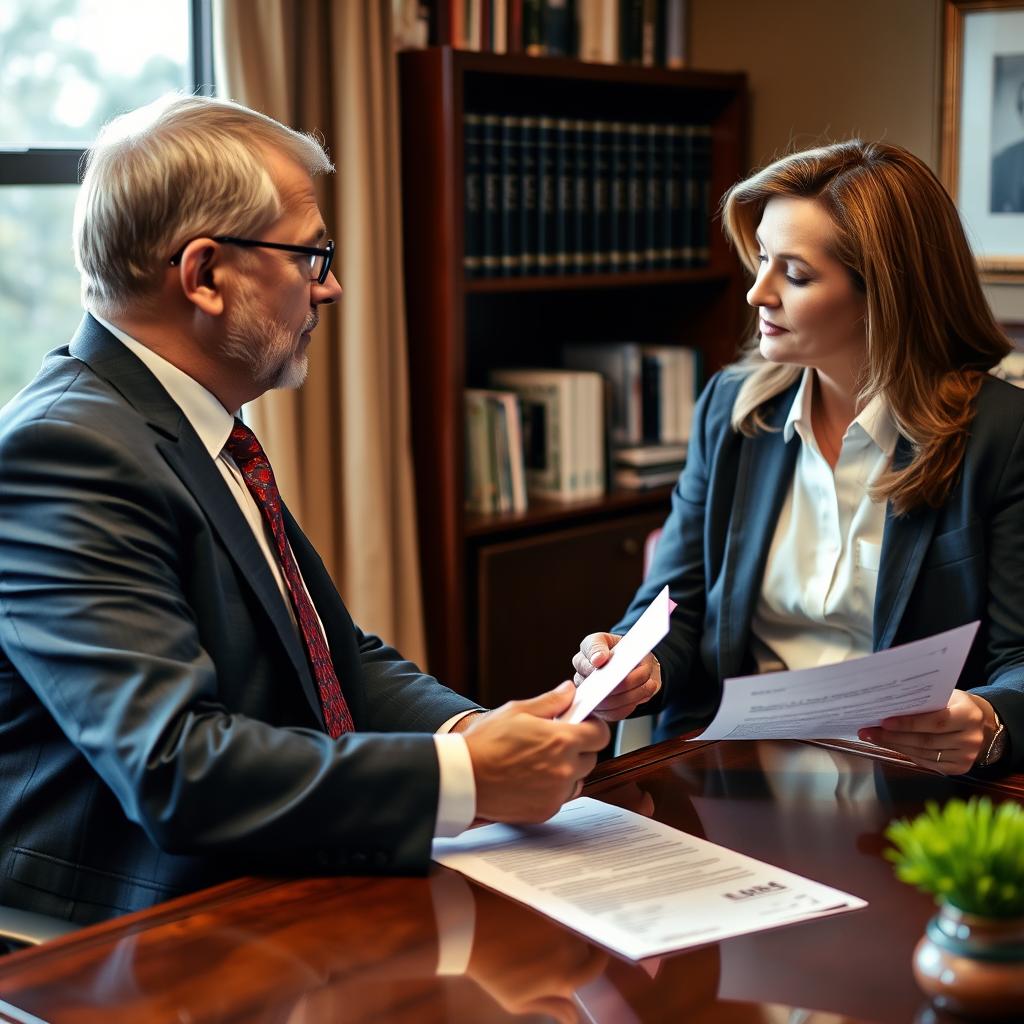
Fiancé Visa Lawyer Albemarle County, VA
You are a United States citizen living in or near Charlottesville, Crozet, Earlysville, Ivy, or North Garden, and you are planning to marry your foreign national fiancé. You want to bring them to Albemarle County to start your life together, but the K‑1 fiancé visa process feels overwhelming—petitions to USCIS, embassy interviews, medical exams, and enough paperwork to fill a folder. A single oversight can add months of separation. Mr. Sris and the firm’s Of Counsel attorneys at Law Offices Of SRIS, P.C. Guide Albemarle County residents through every step of the K‑1 visa application, from the initial I‑129F petition through the adjustment of status after the wedding. Reach our firm at (888) 437‑7747 to discuss your fiancé’s case. Law Offices Of SRIS, P.C. – Advocacy Without Borders.
What a Fiancé Visa Means for Albemarle County Residents
A K‑1 fiancé visa allows a U.S. Citizen to bring a foreign national fiancé to the United States for the purpose of marriage within ninety days of entry. For residents of Albemarle County, the petition is processed by United States Citizenship and Immigration Services (USCIS) at the Washington District Office in Fairfax, Virginia. After USCIS approval, the case moves to the U.S. Embassy or Consulate in the fiancé’s home country for the visa interview. Once admitted, the couple marries in Albemarle County, and the fiancé can then apply for adjustment of status to lawful permanent residence without leaving the country.
Albemarle County couples often come to the process with questions specific to their situation—previous visa denials, varying country‑specific documentation requirements, or concerns about proving a bona‑fide relationship when the couple has not yet cohabitated. The firm assists with the full lifecycle of a fiancé visa, from the initial I‑129F petition and supporting evidence through the green card application after marriage. Because immigration is federal, cases involving Albemarle County residents are not filed in the local state courts, but it is important to be aware of the local USCIS field office and the Arlington Immigration Court if any removal matters arise. Mr. Sris and the firm’s Of Counsel attorneys are familiar with the processing times and document‑intake procedures at those offices, and they work to help your petition move forward without avoidable delays.
How Mr. Sris and the Firm’s Of Counsel Attorneys Approach Fiancé Visa Cases
The K‑1 visa process is governed by the Immigration and Nationality Act and the corresponding regulations. Mr. Sris and the firm’s Of Counsel attorneys begin by evaluating your eligibility and the fiancé’s admissibility to identify any potential issues—prior immigration violations, criminal history, or complex relationship evidence—that could lead to a Request for Evidence or a denial. They assemble the I‑129F petition with a detailed cover letter, relationship evidence such as photographs, correspondence, and travel records, and the required supporting forms and filing fees.
After USCIS approval, the case enters the National Visa Center and then the consular stage. The firm helps prepare your fiancé for the visa interview at the U.S. Embassy or Consulate abroad, reviewing the list of required documents—medical exam results, police certificates, financial support affidavits—and coaching on how the interview typically proceeds. If USCIS issues a Request for Evidence or a Notice of Intent to Deny, Mr. Sris and the firm’s Of Counsel attorneys respond with additional documentation and legal argument. After the marriage in Albemarle County, the firm assists with the I‑485 adjustment of status application, the I‑765 employment authorization application, and the I‑131 advance parole application so that your spouse can work and travel while the green card is pending.
About Mr. Sris and the Firm’s Of Counsel Attorneys
Mr. Sris, Owner and Founder of Law Offices Of SRIS, P.C., has practiced since 1997 and is admitted in Virginia, Maryland, the District of Columbia, New Jersey, and New York. He has handled immigration matters for individuals and families across Virginia, including fiancé visa petitions, adjustment of status, consular processing, and naturalization. Mr. Sris testified before the Virginia House Courts of Justice Committee in support of 2019 HB 635 (chief patron Del. David Bulova).
The firm’s Of Counsel attorneys bring experience in immigration practice to fiancé visa cases. Together with Mr. Sris, they provide responsive, accessible counsel. The firm operates a Shenandoah Location at 505 N Main St, Suite 103, Woodstock, VA 22664, serving Albemarle County residents by appointment. For a detailed statutory breakdown, see our comprehensive analysis on srislawyer.com.
Frequently Asked Questions
What is the K‑1 fiancé visa?
The K‑1 visa is a nonimmigrant visa that allows a U.S. Citizen’s foreign national fiancé to enter the United States for the purpose of marrying the petitioner within ninety days of arrival. The petition is filed with USCIS on Form I‑129F. After approval, the fiancé undergoes a consular interview abroad and, if granted the visa, travels to the U.S. The couple must marry within ninety days and the fiancé can then apply for adjustment of status to lawful permanent residence. The process is detailed and requires substantial documentary evidence of the relationship and the U.S. Citizen’s ability to support the fiancé.
How long does a K‑1 visa take from Albemarle County?
The overall timeline for a K‑1 visa varies depending on USCIS processing, the consular post’s workload, and the complexity of the individual case, but petitioners should expect the process to take several months. USCIS processing of the I‑129F petition at the Washington District Office in Fairfax typically takes a number of months. After approval, the National Visa Center and the U.S. Embassy or Consulate abroad schedule the visa interview. Factors that can extend the timeline include Requests for Evidence, missing documents, or the need for a medical exam and police clearances. Mr. Sris and the firm’s Of Counsel attorneys work to ensure the petition is filed correctly the first time to avoid unnecessary delay.
What documents are required for a fiancé visa application?
Required documents include proof of U.S. Citizenship, evidence of a genuine relationship, proof of intent to marry within ninety days, biographical information for both parties, financial support documents, and the fiancé’s civil and medical records. The I‑129F petition must be accompanied by statements from both the petitioner and the fiancé, passport‑style photographs, and evidence of having met in person within the two years before filing (unless a waiver applies). At the consular stage, the fiancé needs a valid passport, birth certificate, police certificates from countries of residence, a medical examination completed by an embassy‑approved physician, and an Affidavit of Support.
Can my fiancé work while on a K‑1 visa?
A K‑1 visa holder may apply for an Employment Authorization Document (EAD) after entering the United States, authorizing employment while the Adjustment of Status application is pending. The EAD application is typically filed concurrently with the I‑485 green card application. Processing times vary, but the fiancé should plan to remain without work authorization for several months until the EAD is approved. Once the EAD arrives, the fiancé can accept employment and obtain a Social Security number. The firm helps with all related filings after the marriage.
What happens if USCIS denies the I‑129F petition?
A denial of the I‑129F petition is not the end of the case; you may be able to refile with stronger evidence or pursue alternative immigration options. USCIS issues a denial letter explaining the grounds. Common reasons include insufficient relationship evidence, failure to meet the in‑person meeting requirement, or ineligibility of the fiancé. The firm’s Of Counsel attorneys review the denial, identify the factual or legal deficiency, and advise whether to file a new petition with additional documentation or to explore a different family‑based visa pathway, such as a spousal visa if the couple marries abroad.
Do I need a lawyer for a fiancé visa?
You are not legally required to have an attorney to file a K‑1 visa petition, but legal guidance can help you avoid mistakes that lead to delay or denial. The I‑129F form, while straightforward in appearance, requires a detailed understanding of the legal requirements for a “bona fide” relationship, proof of intent to marry, and proper documentation of the in‑person meeting rule. An attorney can prepare a comprehensive petition package, handle Requests for Evidence, and address potential inadmissibility issues before they become problems. For a consultation, reach Mr. Sris and the firm’s Of Counsel attorneys at (888) 437‑7747.
Explore more:
- Fairfax County immigration lawyer
- Fairfax city immigration attorney
- Falls Church immigration representation
- Prince William County immigration counsel
Official resources:
Attorney advertising. Prior results do not guarantee a similar outcome. Results may vary. This page is for informational purposes only and does not constitute legal advice. Engaging Law Offices Of SRIS, P.C. Requires a signed engagement agreement. The firm’s Shenandoah Location is at 505 N Main St, Suite 103, Woodstock, VA 22664. Reach our firm at (888) 437‑7747.
Case results depend on a variety of factors unique to each case.