
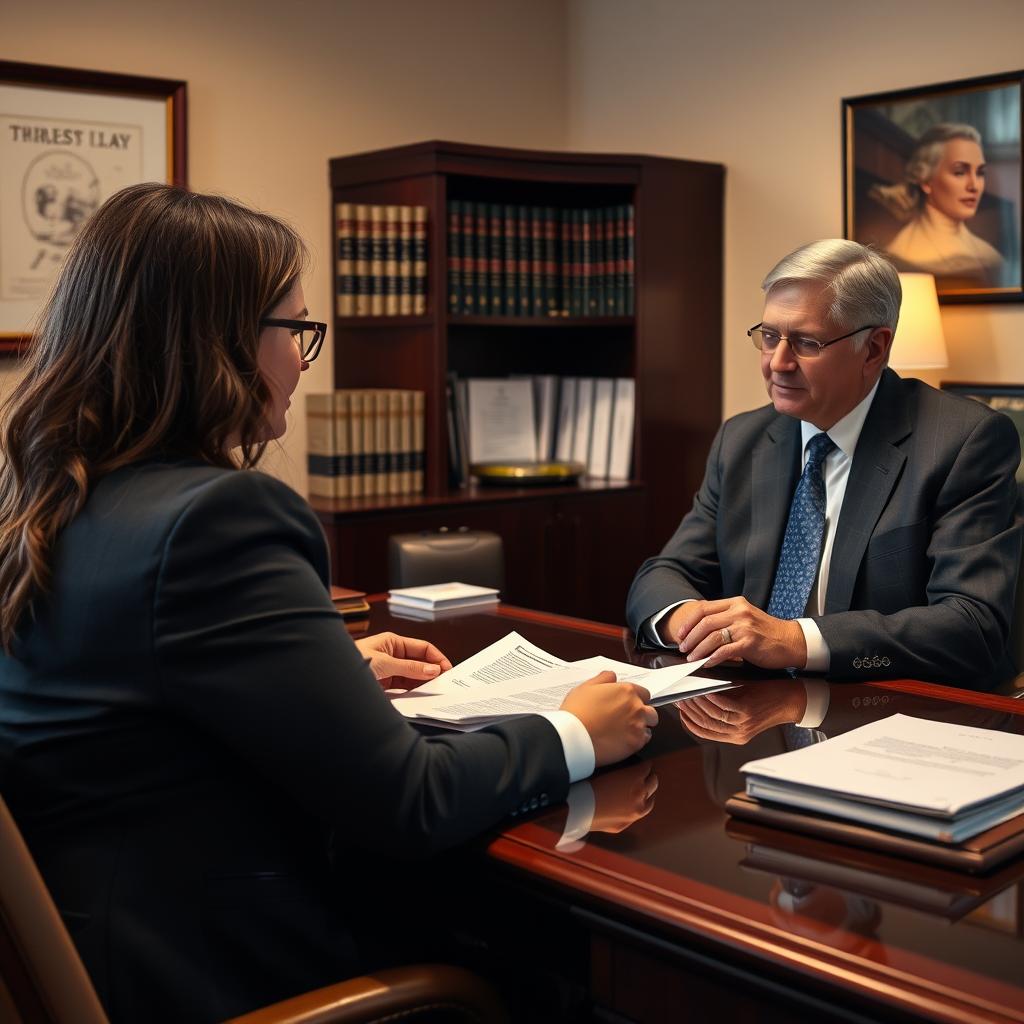
Immediate Relative Petition Lawyer Fairfax County, VA
You are a U.S. Citizen living in Fairfax County, Virginia, and your spouse lives abroad. You filed the I-130 petition months ago to start the green card process, but now you are stuck waiting. You worry about delays, missing documents, or what will happen at the interview. An experienced immigration lawyer can help ensure your immediate relative petition is handled correctly so your family can move forward. At Law Offices Of SRIS, P.C., our Fairfax location assists families throughout the county—including Fairfax, Burke, Reston, Centreville, and beyond—navigate the immediate relative petition process under U.S. Immigration law. Call (888) 437-7747 to schedule a consultation. Law Offices Of SRIS, P.C. – Advocacy Without Borders.
Strategy Options for Immediate Relative Petitions
When you petition for an immediate relative—such as a spouse, parent, or unmarried child under 21—you are generally exempt from the annual numerical visa limits that can delay other family categories. This means you have a much faster path, but the process still requires careful preparation. Our firm’s immigration attorneys work with you to confirm the qualifying relationship, gather the necessary supporting documents, and submit a complete Form I‑130 to U.S. Citizenship and Immigration Services (USCIS). If USCIS issues a Request for Evidence (RFE), we can help you respond with the additional proof needed to keep the case moving. We also assist with the next steps—adjustment of status if your relative is already in the United States, or consular processing through the National Visa Center and the U.S. Embassy abroad.
For Fairfax County residents, affirmative applications are typically processed at the USCIS Washington District Office at 2675 Prosperity Avenue, Fairfax, VA 22031, while consular interviews occur at the U.S. Embassy or consulate in the beneficiary’s home country. We explain the timeline and what to expect at each stage so you are never left guessing.
What to Expect from the Immediate Relative Process
USCIS generally takes 8 to 14 months to adjudicate an I‑130 for an immediate relative, although individual cases can vary. After approval, the next step depends on whether your family member is inside or outside the United States. If your relative is lawfully in the country and entered with inspection, you may file Form I‑485 to adjust status to lawful permanent resident. If the relative is abroad, USCIS forwards the approved petition to the National Visa Center, and the case proceeds to consular processing—interviews, medical exams, and visa issuance. The firm’s Of Counsel attorneys help you understand the documents you will need for each phase, from birth and marriage certificates to police clearances and affidavits of support. You should expect to remain patient, but with thorough preparation, the immigration process can move without unnecessary delays.
What Could Happen if a Petition Is Denied
A denial is not the end of the road. If USCIS denies your I‑130, you have the right to appeal to the Board of Immigration Appeals or, in some cases, to file a motion to reopen or reconsider. Denials often stem from insufficient evidence of the qualifying relationship, incomplete forms, or eligibility concerns. In the worst case, if your relative is in removal proceedings, you may need to defend against deportation while simultaneously pursuing the family petition. Having an attorney who understands both USCIS procedures and removal defense can make a significant difference. The firm’s immigration counsel works to identify the weakness in the denial and to present the strong case on appeal or re‑filing.
About Mr. Sris and the Firm’s Of Counsel Attorneys
Mr. Sris, Owner and Founder of Law Offices Of SRIS, P.C., has practiced immigration law since the firm opened in 1997. As a former prosecutor, he brings a thorough understanding of the legal system to every family petition he handles. He works directly with the firm’s Of Counsel attorneys, whose collective experience deepens the firm’s ability to manage immediate relative petitions, adjustment of status, and removal defense. The firm’s immigration team appears before USCIS, the Arlington Immigration Court, and the Board of Immigration Appeals on behalf of clients throughout Fairfax County. Whether your case involves straightforward processing or a complex evidentiary challenge, the firm’s attorneys are prepared to guide you. To discuss your petition, call (888) 437‑7747.
Frequently Asked Questions
What is an immediate relative petition?
An immediate relative petition (Form I‑130) is a request by a U.S. Citizen to bring a spouse, parent, or unmarried child under 21 to the United States as a lawful permanent resident without a visa quota wait. Because immediate relatives are exempt from numerical visa caps, these petitions generally move faster than other family-based categories. The filing must include evidence of the citizen’s status and proof of the qualifying relationship. After USCIS approves the I‑130, the beneficiary may apply for a green card through adjustment of status or consular processing.
Who qualifies as an immediate relative under U.S. Immigration law?
A spouse, an unmarried child under age 21, or a parent (if the petitioner is at least 21) of a U.S. Citizen qualifies as an immediate relative. Siblings, married children, and children over 21 do not qualify under this category—they fall into family preference classifications that are subject to annual visa number limits and longer waiting periods. Adoptive children and stepparents may also qualify under certain conditions.
How long does it take to get a green card through an immediate relative petition?
USCIS processing for the I‑130 typically takes 8 to 14 months; after approval, additional months may be required for the green card interview and security checks. If the beneficiary is already in the United States, the adjustment-of-status step can be filed concurrently or immediately after I‑130 approval, potentially reducing the total time. Consular processing abroad adds time for document transfer and embassy scheduling.
Can I file an I‑130 while my relative is in the United States?
Yes, you can file an I‑130 for a relative who is lawfully in the United States, and in most immediate‑relative cases you can also file Form I‑485 to adjust status at the same time. The relative must have been inspected and admitted or paroled into the country. If the relative entered without inspection, the path to a green card may be more complicated and could require a waiver.
What documents do I need for an immediate relative petition?
You will need proof of the petitioner’s U.S. Citizenship, evidence of the qualifying family relationship, and biographical documents such as birth and marriage certificates. For a spouse, you must show a valid marriage and that any prior marriages were legally terminated. For a child, you need a birth certificate demonstrating the parent‑child relationship. USCIS may also request additional proof if the initial evidence is insufficient.
What is the difference between immediate relative and family preference petitions?
Immediate relative petitions have no annual visa number cap, so they can move directly to green‑card processing, while family preference categories are subject to numerical limits and often have multi‑year wait times. Immediate relatives include spouses, parents, and minor children of U.S. Citizens. All other family relationships—adult children, siblings, and family members of lawful permanent residents—fall under preference categories and must wait for a visa to become available based on their priority date.
What happens if my I‑130 is approved but my relative is abroad?
The approved petition is sent to the National Visa Center, which collects fees, supporting documents, and the immigrant visa application before scheduling an interview at the U.S. Embassy or consulate. The relative will undergo a medical examination and attend a visa interview. If approved, a visa is issued, and the relative can travel to the United States and become a lawful permanent resident upon entry.
Does the firm handle petitions for same‑sex spouses?
The firm assists all U.S. Citizens who wish to petition for a spouse, including same‑sex spouses, as long as the marriage is legally valid in the place where it was performed. Under current U.S. Immigration law, same‑sex marriages receive the same treatment as opposite‑sex marriages for immigration purposes. The same documentary requirements apply, and the firm’s attorneys can guide you through any additional local‑law concerns that may arise during consular processing.
What is the cost of filing an immediate relative petition?
The I‑130 filing fee is $675. Additional fees apply for the I‑485 adjustment of status ($1,440 plus $85 for biometrics) or for immigrant visa processing through the National Visa Center. Fee waivers may be available for income‑eligible applicants using Form I‑912. The firm charges attorney fees separately; during a consultation, our team can discuss the fee structure so you understand all costs before moving forward.
Can a lawyer help if my relative is already in removal proceedings?
Yes, if your relative is in removal proceedings, an attorney can present the I‑130‑based green‑card application to the immigration judge as a form of relief from deportation. This can be a critical defense because immediate‑relative status may allow the judge to grant lawful permanent residence even while removal proceedings are pending. The firm’s attorneys appear at the Arlington Immigration Court for Fairfax County residents who face removal.
Do I have to be a U.S. Citizen to file an immediate relative petition?
Yes, only U.S. Citizens may file an I‑130 for an immediate relative; lawful permanent residents cannot petition for immediate‑relative status. A lawful permanent resident may petition for a spouse or unmarried child, but those petitions fall into the family preference categories and are subject to visa number backlogs. The path to naturalization can, for some petitioners, shorten the overall timeline.
How do I get started with my immediate relative petition in Fairfax County?
To begin, call (888) 437‑7747 or contact Law Offices Of SRIS, P.C. through our website to schedule a consultation with an immigration attorney. During the initial discussion, we will review your relationship, your relative’s immigration history, and any potential obstacles. Then we can outline the trusted strategy and begin preparing the petition. The firm’s Fairfax location serves clients throughout Fairfax County, from Tysons to Springfield.
For a consultation about your immediate relative petition, call Law Offices Of SRIS, P.C. at (888) 437‑7747. Our Fairfax location serves residents of Fairfax County and the surrounding Northern Virginia communities.
Attorney advertising. Prior results do not guarantee a similar outcome.
Case results depend on a variety of factors unique to each case.