
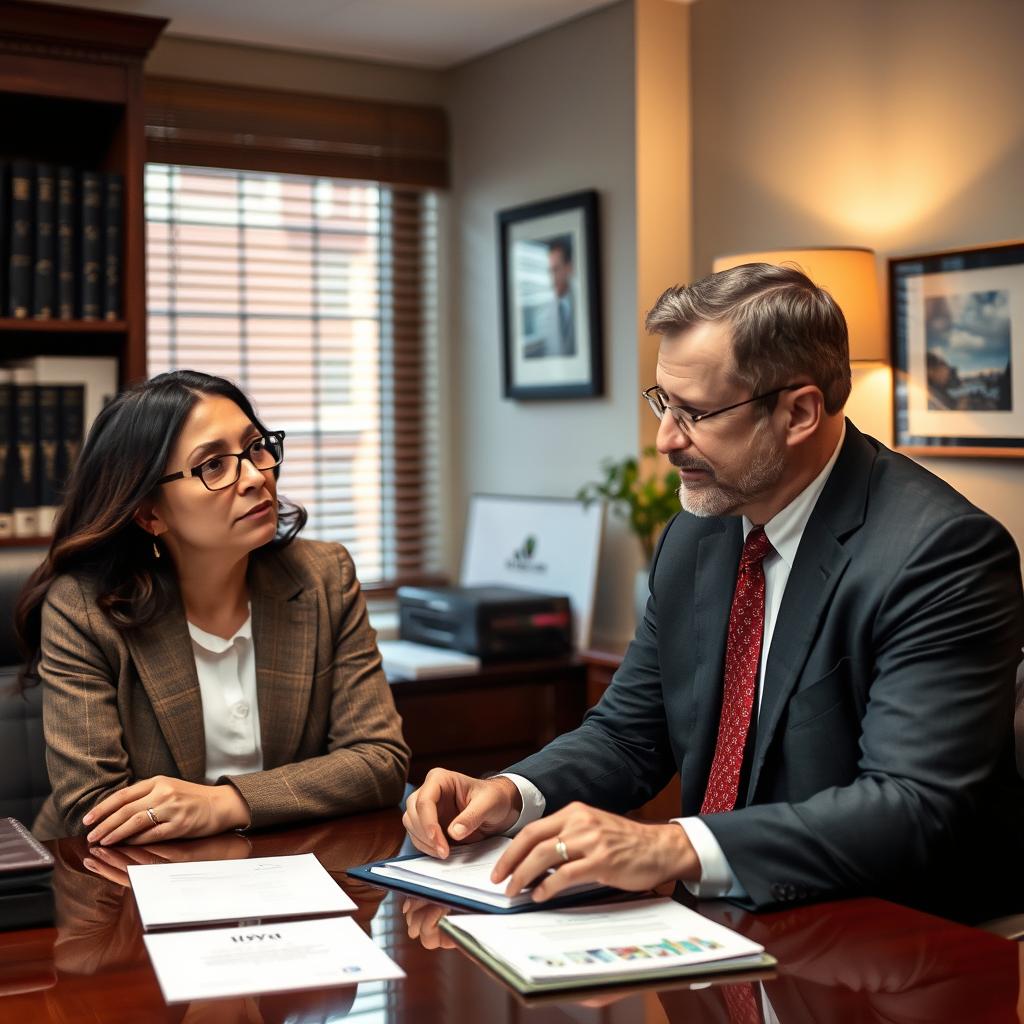
VAWA Lawyer Dupont Circle, DC
For immigrant victims of domestic violence in Dupont Circle, the Violence Against Women Act (VAWA) provides a pathway to legal status that does not depend on the abuser. A VAWA self‑petition allows certain noncitizens who have suffered battery or extreme cruelty by a U.S. Citizen or lawful permanent resident spouse, parent, or child to apply for lawful permanent residence confidentially and without the abuser’s knowledge or consent. Dupont Circle residents have convenient access to the USCIS Washington Field Office in Fairfax, Virginia, and when removal proceedings arise, cases are heard at the Arlington Immigration Court. Law Offices Of SRIS, P.C. Concentrates a substantial portion of its practice on VAWA self‑petitions for individuals throughout the District of Columbia, including the Dupont Circle, Kalorama, and Embassy Row neighborhoods. Mr. Sris and his Of Counsel team work closely with each client to build a well‑documented petition, protect sensitive information, and pursue permanent residence. To schedule a consultation regarding a VAWA self‑petition, reach Law Offices Of SRIS, P.C. at (888) 437‑7747. Law Offices Of SRIS, P.C. – Advocacy Without Borders.
What VAWA Self‑Petitions Mean for Dupont Circle Residents
The VAWA self‑petition, authorized at 8 U.S.C. § 1154(a)(1)(A)(iii)–(iv), is a form of relief designed to protect noncitizens who have been subjected to battery or extreme cruelty by a qualifying family member. Crucially, the self‑petitioner files on his or her own behalf; the abuser is never notified and plays no role in the process. For Dupont Circle’s large expatriate and diplomatic‑adjacent community, where many individuals rely on a spouse’s immigration status, the ability to separate legal standing from an abusive relationship is critical. Because Dupont Circle sits in the heart of the District, residents are within easy reach of the USCIS Washington Field Office, which adjudicates affirmative VAWA filings, and the Arlington Immigration Court, which handles removal‑related matters if a case is referred. Our firm regularly appears before both bodies.
Practically, a VAWA self‑petition opens a route to a green card. Once USCIS issues a prima facie determination and, where applicable, employment authorization, the approved petitioner may adjust status in the United States or, in certain cases, travel abroad for consular processing. The statute imposes a “good moral character” standard and requires a showing that the petitioner resided with the abuser, but proving the abuse does not require a criminal conviction or even a police report. Affidavits from counselors, friends, family, and other corroborating evidence can suffice. Dupont Circle’s concentration of social‑service organizations, legal clinics, and culturally competent therapists often helps clients assemble the necessary documentation. Law Offices Of SRIS, P.C. Guides each client through what evidence is relevant and how to present it effectively to USCIS.
How Mr. Sris and His Of Counsel Handle VAWA Cases
We begin with a confidential consultation at our Arlington location. During this meeting we explain VAWA eligibility criteria and the evidence required, and we assess whether the client qualifies for any other forms of immigration relief simultaneously, such as a U visa or special‑rule cancellation of removal. Once retained, the Of Counsel team drafts the I‑360 self‑petition and assembles a complete evidentiary package, which may include the sponsoring affidavit, certified translations, medical or psychological records, protective‑order documentation, and witness statements. We communicate solely with USCIS or the immigration court; third‑party notifications are prohibited by VAWA’s confidentiality safeguards.
After filing, we monitor the case through every stage—from the receipt notice and prima‑facie determination to the work‑permit adjudication and the final interview or adjustment hearing. If USCIS issues a Request for Evidence or Notice of Intent to Deny, we respond within the designated period, supplementing the record with additional documentation. Should removal proceedings become active, Mr. Sris and his Of Counsel appear at the Arlington Immigration Court to advocate for the client’s right to remain in the United States. No timeline is the same; processing depends on USCIS workloads, the complexity of the evidence, and whether the case is contested. Throughout, we keep clients informed and work toward a favorable outcome.
About Mr. Sris and His Of Counsel Team
Mr. Sris, Owner and Founder of Law Offices Of SRIS, P.C., began practicing in 1997 and has since concentrated a significant portion of his work on immigration matters. He is admitted in Virginia, Maryland, the District of Columbia, New Jersey, and New York—a five‑jurisdiction practice that allows the firm to serve clients across the region. Mr. Sris testified before the Virginia House Courts of Justice Committee in support of 2019 HB 635 (chief patron Del. David Bulova). His background as a former prosecutor gives him insight into how government agencies review evidence, and he brings that perspective to every VAWA case. His Of Counsel team adds substantial experience in immigration law, including knowledge of USCIS adjudication standards and removal‑defense strategy. Together, they handle VAWA self‑petitions with discretion and thorough preparation.
Because the firm’s practice is built on collaboration between Mr. Sris and his Of Counsel, every client benefits from the combined knowledge of multiple attorneys without the high overhead of large institutional firms. The firm’s Arlington location, just across the Potomac from Dupont Circle, is easily reached by Metro or car, and consultations are available by appointment. Our staff includes professionals who speak English, Spanish, and Tamil, reflecting the diverse population served in the District.
Frequently Asked Questions
Who is eligible for a VAWA self‑petition?
You may be eligible if you are the spouse, former spouse, child, or parent of a U.S. Citizen or lawful permanent resident who subjected you to battery or extreme cruelty. The applicant must have resided with the abuser, be a person of good moral character, and have entered the United States legally (or satisfy an exception). The statute also covers intended spouses if the abuser’s death prevented the marriage. VAWA does not require the abuser to be convicted or even charged with a crime; the focus is on the petitioner’s own evidence of abuse. A VAWA lawyer can help evaluate whether your specific situation meets the statutory requirements.
How do I apply for a VAWA self‑petition if I live in Dupont Circle?
To apply you file Form I‑360 with USCIS, accompanied by a detailed personal declaration and supporting evidence of the qualifying relationship, the abuse, and your good moral character. Applications from the District of Columbia are processed by the USCIS Washington Field Office. The packet is mailed to the Vermont Service Center, and it is critical to follow the current mailing instructions. Because the petition is sensitive, our firm prepares and submits the entire filing directly to USCIS; the abuser is never contacted. After filing, the client receives a receipt notice and later a prima‑facie determination if the evidence is sufficient, enabling access to certain benefits such as work authorization.
Do I need to report the abuse to police to file a VAWA self‑petition?
No, reporting abuse to law enforcement is not required; other forms of evidence can adequately establish battery or extreme cruelty. While a police report or a protective‑order record can be helpful, the law permits affidavits from the petitioner, friends, family members, counselors, medical providers, or shelters. The “extreme cruelty” prong includes psychological, emotional, and financial abuse. What matters is the credibility of the overall evidence package. An experienced VAWA attorney can help identify the strongest available documentation and frame it in the petition.
What kind of immigration status can I get after a VAWA self‑petition is approved?
An approved VAWA self‑petition generally leads to lawful permanent resident status (a green card) through adjustment of status or consular processing, making the petitioner an immediate relative for immigration purposes. The approval notice does not itself grant status, but it establishes eligibility. The petitioner may then apply for adjustment of status if present in the United States, or for an immigrant visa at a consulate abroad. During the pendency of the adjustment application, work authorization and travel permission are available. Permanent residence obtained through VAWA is free of conditions imposed by the abuser.
How can a VAWA lawyer near Dupont Circle help with my case?
An experienced VAWA lawyer assesses your eligibility, gathers the required evidence, prepares and files the I‑360 petition, responds to USCIS requests for evidence, and represents you in any related removal proceedings before the immigration court. Because the legal standard is fact‑intensive and the filing must be carefully organized, professional guidance significantly reduces the risk of denial or delay. The lawyer also coordinates other forms of relief if applicable, such as a U visa or special‑rule cancellation of removal. For a confidential consultation with Mr. Sris and his Of Counsel, call (888) 437‑7747.
For immigration representation in other parts of the District:
Washington, D.C. Immigration lawyers,
Georgetown immigration attorney,
Spring Valley immigration counsel.
Authoritative primary‑source materials: U.S. Citizenship and Immigration Services; Executive Office for Immigration Review; 8 U.S.C. § 1154 – VAWA self‑petition provisions.
Attorney advertising. Prior results do not guarantee a similar outcome.
Results may vary.
Case results depend on a variety of factors unique to each case.