
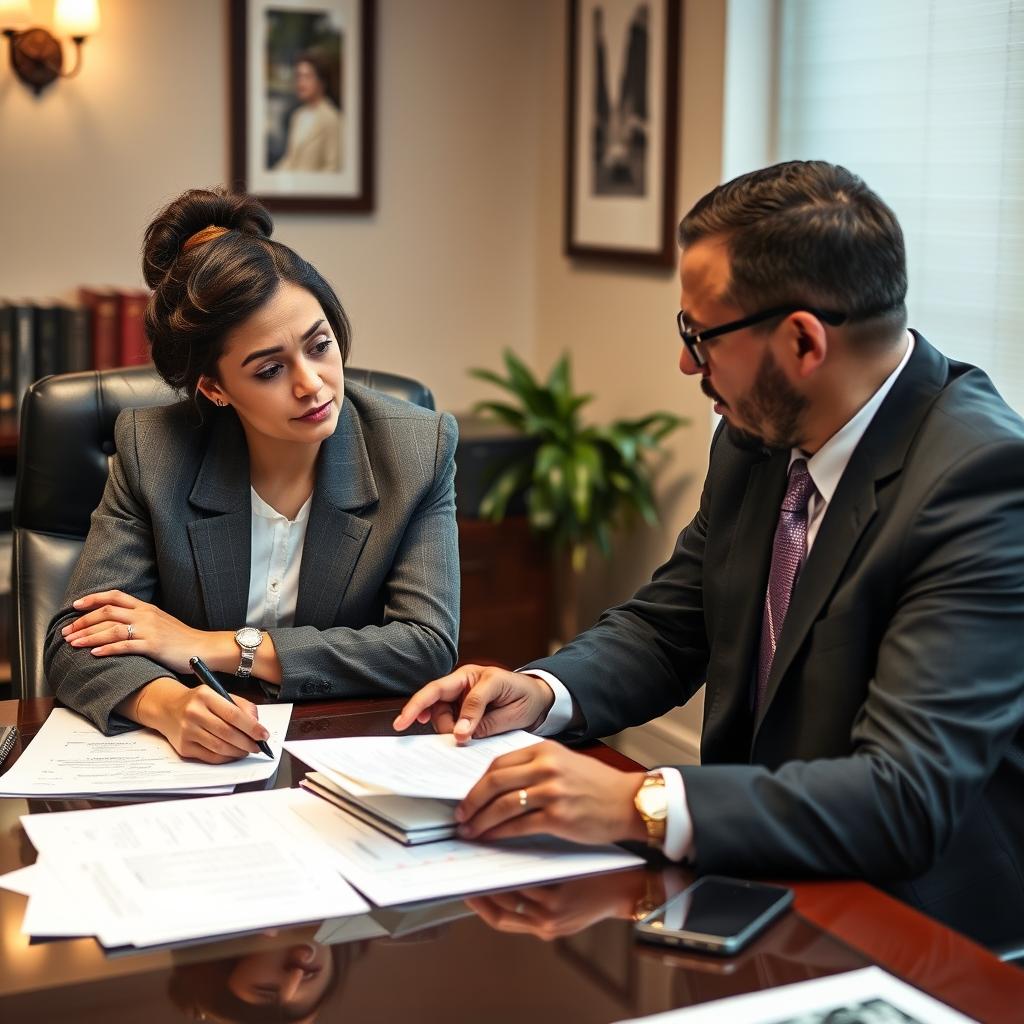
Hardship Waiver Lawyer Capitol Hill, DC
You filed a family-based immigrant visa petition for your spouse, parent, or child, only to learn that the consular officer or USCIS found the relative inadmissible because of a past immigration violation, misrepresentation, or unlawful presence. Now your family faces separation, and the emotional weight of the situation is heavy. A hardship waiver under INA § 212(i) — codified at 8 U.S.C. § 1182(i) — may provide a path forward. The waiver allows certain inadmissible applicants to obtain lawful permanent residence if their qualifying U.S. Citizen or lawful permanent resident relative would suffer extreme hardship. At Law Offices Of SRIS, P.C., Mr. Sris helps Capitol Hill families prepare thorough hardship waiver applications and navigate the adjudication process before USCIS and, when necessary, the immigration court. To discuss your case with a hardship waiver lawyer serving Capitol Hill, DC, call (888) 437-7747. Law Offices Of SRIS, P.C. – Advocacy Without Borders.
Understanding Hardship Waivers
A hardship waiver is a request for the U.S. Government to forgive or overlook a ground of inadmissibility that would otherwise prevent an individual from obtaining a green card or immigrant visa. The most common waiver for family-based applicants is the I-601, Application for Waiver of Grounds of Inadmissibility, though certain applicants may use the I-601A provisional waiver process if they are in the United States. The standard for approval is a showing that the refusal of admission would result in extreme hardship to a qualifying spouse, parent, or, in limited circumstances, a child who is a U.S. Citizen or lawful permanent resident. Hardship is not defined by any single factor; adjudicators consider the totality of the circumstances, including health conditions, financial consequences, educational disruptions, country conditions in the country of removal, and the emotional and psychological impact of family separation. Because each case turns on its own facts, a well-documented waiver package with compelling personal statements and supporting evidence is critical. Policy guidance and adjudicatory standards are subject to frequent change, so working with an experienced immigration attorney who stays current with USCIS and EOIR developments is important.
Hardship Waiver Process in the Capitol Hill Area
Capitol Hill residents file most immigrant visa petitions and waiver applications through the USCIS Washington Field Office or the USCIS lockbox facility, depending on the type of waiver and whether the applicant is inside or outside the United States. Removal proceedings for individuals already in the U.S. Who are placed in immigration court are heard at the Arlington Immigration Court in Arlington, Virginia, just across the Potomac River. If a waiver is needed during removal proceedings, it may be filed with the immigration judge. The firm’s Arlington, Virginia location serves Capitol Hill, and the short distance makes it convenient to prepare for hearings and attend interviews. Local procedural nuances, such as the Arlington Immigration Court’s scheduling practices and the specific evidence expectations of USCIS officers in the Washington District, are part of what Mr. Sris considers when building a waiver case. While the timeline for adjudication depends on the USCIS caseload and court calendar, early preparation — gathering hardship evidence, obtaining expert evaluations, and drafting declarations — helps avoid unnecessary delays.
How Mr. Sris and His Of Counsel Approach Hardship Waiver Cases
Mr. Sris works directly with clients to identify all sources of extreme hardship and build a narrative that connects the qualifying relative’s circumstances to the legal standards. The process typically begins with a consultation, during which he reviews the inadmissibility ground, the family relationship, and the types of hardship evidence that will be most persuasive. The waiver application itself is accompanied by a detailed legal brief, letters from medical providers, psychologists, employers, and other professionals, as well as declarations from the qualifying relative and the applicant. When appropriate, the firm also consults with country-conditions attorneys to highlight dangers or difficulties that the qualifying relative would face if forced to relocate. Throughout the adjudication, Mr. Sris and his Of Counsel monitor case status, respond to requests for evidence, and prepare clients for USCIS interviews or immigration court appearances. Because hardship waivers are discretionary and require a high evidentiary bar, the team focuses on developing a complete record that leaves no hardship factor unaddressed.
About Mr. Sris and the Firm
Mr. Sris, Owner and Founder of Law Offices Of SRIS, P.C., has practiced immigration law since founding the firm in 1997. He is a former prosecutor whose experience in trial work informs his careful approach to evidence and argument in immigration matters. Mr. Sris is admitted to practice in Virginia, Maryland, the District of Columbia, New Jersey, and New York, and he appears before immigration courts and USCIS offices throughout those jurisdictions. He has testified before the Virginia House Courts of Justice Committee in support of 2019 HB 635 (chief patron Del. David Bulova). Working alongside Mr. Sris is a team of Of Counsel attorneys who contribute additional experience in immigration, family-based petitions, and federal litigation. The firm’s Arlington location is readily accessible to clients in Capitol Hill, Eastern Market, Lincoln Park, and surrounding neighborhoods.
Frequently Asked Questions
What is a hardship waiver?
A hardship waiver is a request to overcome a ground of inadmissibility by proving that a qualifying U.S. Citizen or lawful permanent resident relative would suffer extreme hardship if the applicant is not admitted. The waiver is typically filed on Form I-601, though the I-601A provisional waiver process is available for certain individuals who are in the United States and need to waive unlawful presence before departing for a consular interview. Hardship factors include health, financial, educational, and country-condition considerations, among others. USCIS weighs the totality of the circumstances and has broad discretion in granting or denying waivers.
Who qualifies as a qualifying relative for a hardship waiver?
The qualifying relative must be a U.S. Citizen or lawful permanent resident spouse or parent of the applicant. In limited circumstances, a child who is a U.S. Citizen or lawful permanent resident may qualify, but the standard is more stringent. The hardship must be to the qualifying relative, not to the applicant themselves. If you have multiple qualifying relatives, you may present evidence of hardship to each, but you must show that at least one would suffer extreme hardship. An experienced immigration attorney can help identify the strongest qualifying relative and gather the right evidence.
What counts as extreme hardship?
USCIS defines extreme hardship as suffering that is greater than the ordinary hardship a qualifying relative would normally experience upon separation or relocation. Factors include severe medical conditions requiring ongoing treatment unavailable in the country of removal, substantial financial loss that would alter the relative’s standard of living, significant educational disruption for a qualifying child, and dangerous country conditions such as civil unrest or persecution. Psychological and emotional impacts are also considered, especially when supported by mental health professional evaluations. Because no single factor is determinative, a strong waiver application addresses multiple hardship dimensions in detail.
Can I apply for a hardship waiver if I am already in removal proceedings?
Yes, hardship waivers are available in removal proceedings before the immigration court. If you are in proceedings and are otherwise eligible to adjust status, you may file a waiver application with the immigration judge. The standard and evidence requirements are the same as those for USCIS-filed waivers. The Arlington Immigration Court, which handles removal cases for Capitol Hill residents, has its own scheduling and filing procedures, and an attorney can help ensure your waiver is presented correctly and on time. In some cases, a waiver may also be filed after an in absentia removal order is reopened.
How long does the hardship waiver process take?
The timeline varies depending on whether the waiver is filed with USCIS or the immigration court, the caseload of the adjudicating office, and the complexity of the evidence. USCIS processing times for I-601 waivers can fluctuate significantly. When a waiver is filed in immigration court, the timeline is tied to the court’s docket. While some cases move faster than others, early and thorough preparation is the trusted way to avoid unnecessary delays. Contact our firm for an assessment of your case and a discussion of what to expect.
Do I need a lawyer to file a hardship waiver?
You are not required to have a lawyer, but the extreme-hardship standard is demanding and the legal and evidentiary requirements are complex. Missing documentation, incomplete hardship arguments, or procedural errors can lead to a denial and may limit future options. An experienced hardship waiver lawyer can evaluate the strength of your case, identify the most compelling hardship factors, and prepare a comprehensive package. At Law Offices Of SRIS, P.C., Mr. Sris and his Of Counsel guide Capitol Hill families through every stage of the process.
What is the difference between an I-601 and an I-601A waiver?
The I-601 is filed after a consular officer or USCIS has made a formal inadmissibility finding, while the I-601A provisional waiver is filed while the applicant is still in the United States to waive unlawful presence before departing for a consular interview. The I-601A allows applicants to wait in the U.S. While the waiver is adjudicated, reducing the time families are separated abroad. However, the I-601A is available only for unlawful presence inadmissibility and not for other grounds, such as fraud, misrepresentation, or criminal issues. An attorney can help determine which waiver form is appropriate for your situation.
Can a hardship waiver be denied?
Yes, USCIS or the immigration court may deny a hardship waiver if the evidence does not establish extreme hardship or if the applicant is subject to other bars that cannot be waived. A denial may be appealed to the Administrative Appeals Office or, in some cases, renewed in immigration court. If your waiver is denied, it is important to understand the reason and explore whether additional evidence or a different legal theory is available. Prompt action is important because deadlines for filing an appeal or a motion to reopen are strict.
Where do I file a hardship waiver in the Capitol Hill area?
Hardship waiver applications for Capitol Hill residents are filed with USCIS at the appropriate lockbox or field office, depending on the case type, and, if in removal proceedings, with the Arlington Immigration Court. The USCIS Washington Field Office handles local interviews and some adjudications. The Arlington Immigration Court, located at 1901 S. Bell Street, Arlington, VA 22202, hears removal cases for District of Columbia residents. Mr. Sris’s Arlington location makes it convenient to meet with clients and prepare for hearings and interviews. For guidance on where to file your specific waiver, call (888) 437-7747.
What should I bring to a consultation about a hardship waiver?
Bring any correspondence from USCIS or the immigration court, copies of the underlying immigrant visa petition, birth and marriage certificates, and any medical, financial, or psychological records that may support a showing of hardship. Also helpful are educational records for children, evidence of country conditions in the country of removal, and a written summary of the family’s history and the impact of the inadmissibility finding. The more information you provide, the better an attorney can assess the strengths and potential challenges of your case. For a consultation, reach Mr. Sris and his Of Counsel at (888) 437-7747.
Additional immigration resources: Washington, D.C. Immigration lawyer | Georgetown immigration lawyer | Spring Valley immigration lawyer | Cleveland Park immigration lawyer | Chevy Chase DC immigration lawyer
Attorney advertising. Prior results do not guarantee a similar outcome. Results may vary.
Case results depend on a variety of factors unique to each case.