
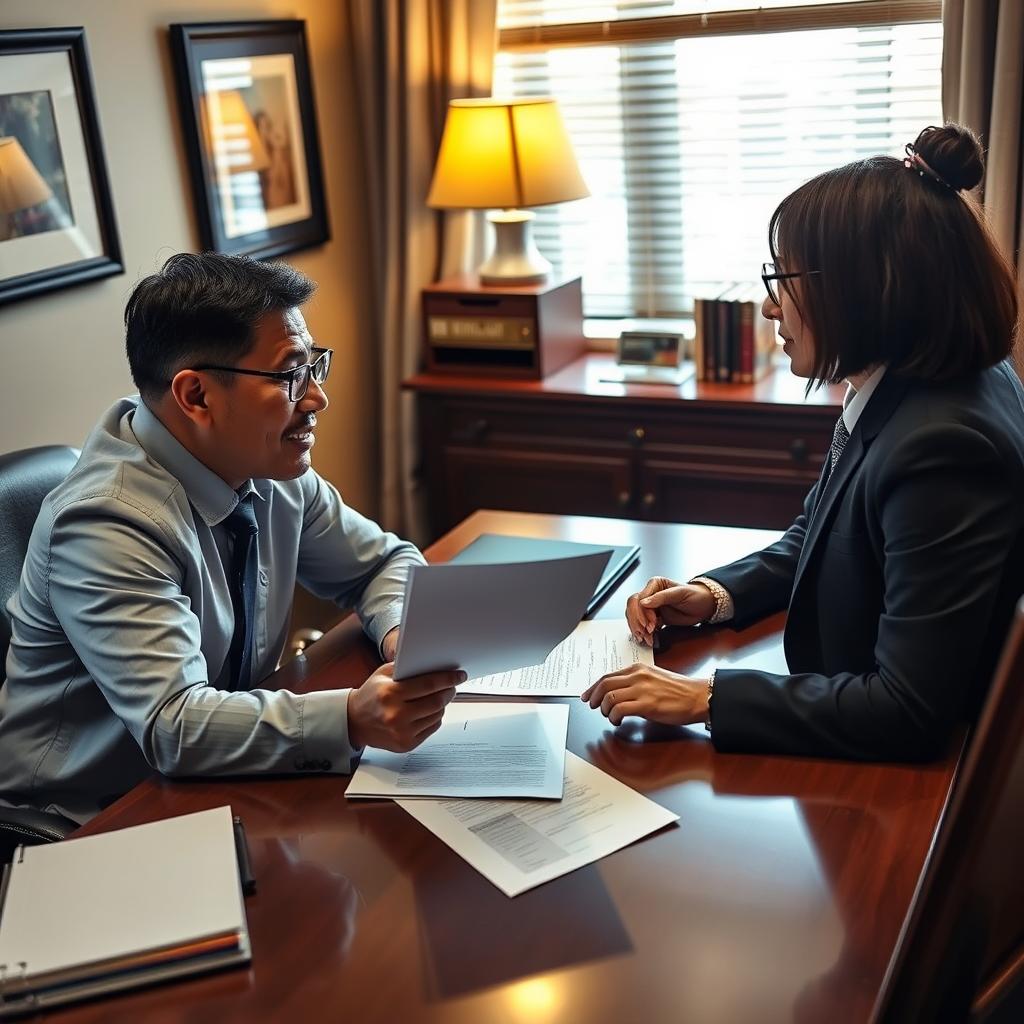
Hardship Waiver Lawyer U Street Corridor, DC
Immigration matters can be complex, and a hardship waiver is one of the most intensely personal forms of immigration relief. If you or a family member faces inadmissibility to the United States, a well-prepared hardship waiver application can make the difference between family separation and a path forward. For residents of the U Street Corridor in Washington, D.C., Mr. Sris and his Of Counsel team at Law Offices Of SRIS, P.C. provide experienced guidance on hardship waiver cases. We assist individuals and families throughout the District of Columbia with applications for waivers of inadmissibility, particularly those based on extreme hardship to a qualifying U.S. Citizen or lawful permanent resident relative. To discuss a hardship waiver matter, reach our firm at (888) 437-7747. Law Offices Of SRIS, P.C. – Advocacy Without Borders.
What a Hardship Waiver Means in the U Street Corridor
The U Street Corridor, once the heart of Black Broadway, is now one of Washington, D.C.’s most dynamic and diverse neighborhoods. Its residents include families from Latin America, the Caribbean, Africa, and Asia – many of whom have built lives here while navigating the U.S. Immigration system. For a family living in the U Street area, a hardship waiver can be the critical document that allows a spouse, parent, or child who is inadmissible to remain with their loved ones or return after a consular interview.
Immigration cases for D.C. Residents are processed through federal agencies. Affirmative hardship waiver applications – such as those filed with a family-based adjustment of status – are handled by U.S. Citizenship and Immigration Services (USCIS) at its Washington District Office, located at 2675 Prosperity Avenue in Fairfax, Virginia. If removal proceedings are already underway, the case is heard at the Arlington Immigration Court, 1901 South Bell Street in Arlington, Virginia. Mr. Sris and his Of Counsel appear at both venues and are familiar with how USCIS examiners and immigration judges approach extreme hardship determinations in the D.C.-area jurisdiction.
For U Street Corridor residents, proximity to these adjudication centers can mean shorter travel times, but the substantive legal standards remain uniform under the Immigration and Nationality Act. A hardship waiver under INA § 212(a)(9)(B)(v) or § 212(i), codified at 8 U.S.C. § 1182, requires a showing of extreme hardship to a qualifying relative. The firm helps clients build the factual record needed to meet this demanding standard.
How Mr. Sris and His Of Counsel Handle Hardship Waiver Cases
Every hardship waiver application turns on the quality of the evidence and the persuasiveness of the legal argument. Mr. Sris and his Of Counsel team begin by identifying the specific ground of inadmissibility – whether unlawful presence, a prior removal order, fraud or misrepresentation, or a criminal conviction – and then determining which waiver provision applies. For many family-based cases, the relevant statutory waiver is found at 8 U.S.C. § 1182(i).
Once the legal framework is confirmed, the team works closely with the applicant to gather medical records, psychological evaluations, financial documentation, school records, and other materials that illustrate the extreme hardship the qualifying relative would suffer if the waiver were denied. The firm also helps prepare detailed affidavits and a comprehensive legal brief. Throughout the process, the focus remains on presenting the applicant’s story accurately and powerfully within the bounds of the law. Mr. Sris and his Of Counsel have experience handling hardship waivers in both the affirmative and defensive contexts, including motions to reopen and appeals to the Board of Immigration Appeals.
About Mr. Sris and His Of Counsel Team
Mr. Sris is the Owner and Founder of Law Offices Of SRIS, P.C., a firm that has been practicing since 1997. He is admitted to practice in Virginia, Maryland, the District of Columbia, New Jersey, and New York. His background as a former prosecutor informs his strategic approach to federal immigration matters, where the government’s perspective must be anticipated and countered effectively. Mr. Sris testified before the Virginia House Courts of Justice Committee in support of 2019 HB 635 (chief patron Del. David Bulova).
Mr. Sris has also accepted referrals from officials at the Embassy of India and Indian consular missions for legal matters involving Indian nationals. This diaspora practice reflects the trust the community places in the firm’s ability to handle sensitive cross-border immigration issues. Mr. Sris and his Of Counsel bring extensive combined legal experience to every hardship waiver case. Results may vary.
Frequently Asked Questions
What is a hardship waiver?
A hardship waiver is a request for forgiveness of a ground of inadmissibility, allowing an otherwise ineligible individual to obtain lawful status or a visa, when denial would cause extreme hardship to a qualifying U.S. Citizen or lawful permanent resident spouse, parent, or child. The most common waiver is the I-601, Application for Waiver of Grounds of Inadmissibility, which covers various bases including unlawful presence, certain criminal grounds, and fraud. The standard is not merely hardship; it must rise to the level of extreme hardship, considering factors such as family ties in the United States, conditions in the country of relocation, and the qualifying relative’s health and finances.
Who qualifies as a “qualifying relative” for a hardship waiver?
A qualifying relative must be a U.S. Citizen or lawful permanent resident (green card holder) who is the applicant’s spouse, parent, or child. For example, a U.S. Citizen spouse may serve as the qualifying relative for an I-601 waiver based on unlawful presence. Siblings, adult children over 21, and grandparents do not qualify. The hardship analysis focuses on the qualifying relative’s circumstances, not the applicant’s, though the applicant’s own challenges may be considered in some contexts. The law provides different qualifying-relative requirements for different types of waivers, so an experienced attorney can help determine which relative may be eligible to sponsor the application.
Do I need a lawyer to file a hardship waiver in Washington, D.C.?
You are not legally required to hire a lawyer to file a hardship waiver, but having experienced counsel can significantly improve the likelihood of a successful outcome. The legal standards for extreme hardship are demanding and subjective. An attorney can help gather the right evidence, draft persuasive affidavits, and craft a legal argument that addresses the specific concerns of USCIS adjudicators or an immigration judge. Additionally, procedural mistakes—such as filing the wrong form or missing a deadline—can lead to years of delay or denial. To discuss your situation with Mr. Sris and his Of Counsel, call (888) 437-7747 to request a consultation.
How long does a hardship waiver take to process?
Processing times for a hardship waiver vary based on the USCIS office handling the case, the applicant’s country of origin, and the complexity of the evidence. Some cases resolve in a matter of months; others can take well over a year. If the waiver is part of a removal defense proceeding, the immigration court’s schedule also affects the timeline. The firm helps clients stay informed about case status and responds promptly to any requests for additional evidence from the adjudicating agency.
What is the difference between a hardship waiver and other immigration waivers?
A hardship waiver specifically requires a showing of extreme hardship to a qualifying relative, whereas other waivers may have different eligibility requirements. For example, an I-601A provisional unlawful presence waiver shares the extreme hardship standard but is only available to certain immediate relatives who are outside the United States. An I-212 waiver for prior removal orders focuses on different factors, such as the length of time since removal and the applicant’s rehabilitation. An experienced attorney can identify the correct waiver type and prepare the supporting documentation accordingly.
For additional local immigration information, see our pages for the Washington, D.C. Area, Georgetown, and Cleveland Park.
Attorney advertising. Prior results do not guarantee a similar outcome.
Results may vary. Case results depend on a variety of factors unique to each case.