
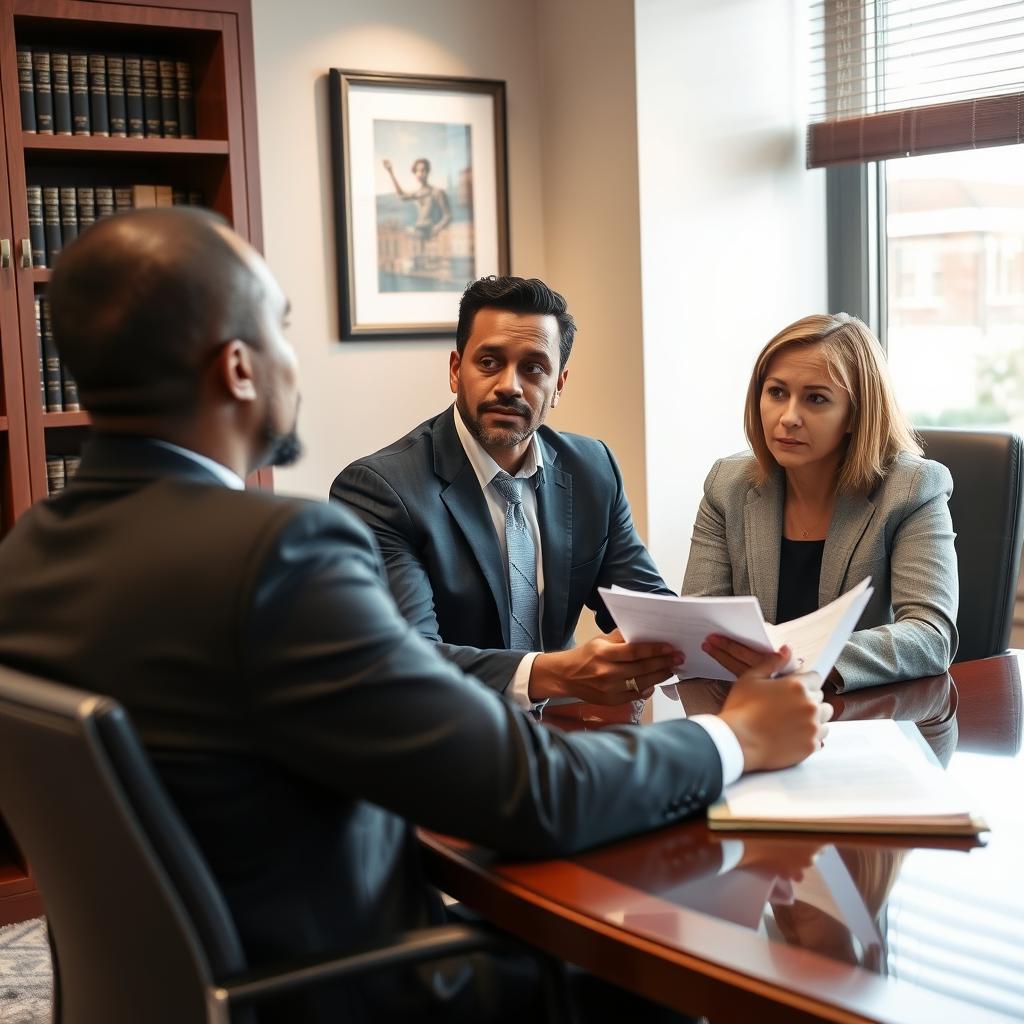
Fiancé Visa Lawyer Cleveland Park, DC
For residents of Cleveland Park, DC, bringing a fiancé or fiancée to the United States requires careful navigation of federal immigration procedures. At Law Offices Of SRIS, P.C., Mr. Sris and his Of Counsel team guide District of Columbia clients through the K‑1 fiancé visa process—from the initial I‑129F petition through adjustment of status after marriage. The firm has served the Washington, D.C., area since 1997 and appears regularly before the Arlington Immigration Court and the USCIS Washington Field Office, both of which handle cases for applicants in Cleveland Park and surrounding neighborhoods. Whether you are just beginning to gather evidence of your relationship or have encountered a Request for Evidence, experienced counsel can help you avoid delays and build a complete application. Reach Law Offices Of SRIS, P.C. at (888) 437-7747 to schedule a consultation about a fiancé visa matter. Law Offices Of SRIS, P.C. – Advocacy Without Borders.
What a Fiancé Visa Means for Couples in Cleveland Park, DC
A fiancé visa—officially the K‑1 nonimmigrant visa under 8 U.S.C. § 1101(a)(15)(K)—allows a U.S. Citizen to bring a foreign national fiancé(e) to the United States for the purpose of getting married within 90 days of entry. For Cleveland Park couples, the process begins with a petition filed with U.S. Citizenship and Immigration Services (USCIS), not with a local courthouse. Although Cleveland Park is a residential neighborhood of Washington, D.C., the relevant federal agencies are the USCIS Washington District Office (located in Fairfax, Virginia) and the Arlington Immigration Court for any removal defense matters. An experienced immigration attorney who understands the procedural landscape of the greater Washington, D.C., area can be particularly helpful for couples navigating the intersection of agency processing and local community concerns.
The K‑1 visa is not an immigrant visa by itself. After the couple marries within the 90‑day period, the foreign national spouse may apply for adjustment of status to lawful permanent resident (a green card) through USCIS. Because Cleveland Park residents often have international careers, academic ties, or embassy connections, the fiancé visa pathway frequently comes with questions about dual‑intent, admissibility, and the interplay of prior visa denials. Mr. Sris and his Of Counsel team review each case individually, ensuring that the petition addresses any potential grounds of inadmissibility—such as health‑related issues, prior immigration violations, or criminal history—before USCIS makes its decision.
Eligibility for a K‑1 visa requires proof that the couple has met in person within the two years before filing (certain limited exceptions exist), that both are legally free to marry, and that the U.S. Citizen petitioner meets the financial sponsorship requirements. Cleveland Park applicants often find that gathering documentation of a genuine relationship across borders can be complex, especially when relying on digital communication, money transfers, and travel records. Working with an attorney helps ensure the evidentiary submission satisfies the preponderance‑of‑the‑evidence standard USCIS expects.
How Mr. Sris and His Of Counsel Handle Fiancé Visa Cases
When a Cleveland Park client contacts Law Offices Of SRIS, P.C., the process typically begins with a consultation to review the relationship’s history, any prior immigration filings, and potential red flags. If the couple is ready to proceed, the firm prepares a complete I‑129F petition package that includes statements of intent to marry, proof of in‑person meeting, photographs, and supporting affidavits. Because USCIS adjudication is paper‑intensive and Requests for Evidence are common, counsel pays close attention to every supporting exhibit. Should USCIS issue a Request for Evidence or a Notice of Intent to Deny, Mr. Sris and his Of Counsel respond with a targeted legal memorandum and additional evidence.
After USCIS approves the I‑129F, the case moves to the U.S. Department of State’s National Visa Center and then to the embassy or consulate abroad for the beneficiary’s visa interview. Law Offices Of SRIS, P.C. continues to advise clients through consular processing—helping the foreign fiancé(e) prepare for the interview, organizing civil documents, and addressing any consular officer’s concerns. In the rare event that a K‑1 beneficiary faces removal proceedings after entry, the firm also appears at the Arlington Immigration Court to represent the individual. Throughout each phase, the goal is to keep the process moving while protecting the client’s long‑term immigration objectives.
About Mr. Sris and His Of Counsel Team
Mr. Sris, Owner and Founder of Law Offices Of SRIS, P.C., founded the firm in 1997 and is a former prosecutor. He is admitted to practice in Virginia, Maryland, the District of Columbia, New Jersey, and New York. Mr. Sris has extensive experience handling immigration matters, including family‑based petitions, adjustment of status, and deportation defense. He testified before the Virginia House Courts of Justice Committee in support of 2019 HB 635 (chief patron Del. David Bulova).
Alongside Mr. Sris, the firm’s Of Counsel attorneys bring extensive combined legal experience to immigration practice. They assist with case preparation, consular processing strategy, and responses to agency challenges. Every fiancé visa matter is approached with careful attention to the facts of the relationship, the governing statute, and the applicable agency policies. Clients in Cleveland Park and throughout the District of Columbia can reach the firm at (888) 437-7747.
Frequently Asked Questions
How does the fiancé visa process work for Cleveland Park residents?
The fiancé visa process for Cleveland Park residents starts with filing Form I‑129F with USCIS, followed by consular processing abroad and then adjustment of status after the marriage in the United States. The U.S. Citizen petitioner must demonstrate a qualifying relationship, the intent to marry within 90 days of the beneficiary’s entry, and the ability to meet financial sponsorship requirements. After USCIS approves the petition, the case proceeds to the National Visa Center and the overseas consulate. Once the visa is issued and the couple marries, the foreign national spouse may apply for a green card through USCIS. Because processing times vary, it is important to begin the petition with complete documentation. Law Offices Of SRIS, P.C. helps Cleveland Park clients at each stage.
Do I need a lawyer for a fiancé visa?
You are not legally required to hire an attorney to apply for a fiancé visa, but an experienced immigration lawyer can help you avoid errors that lead to delays or denials. The I‑129F petition, consular processing, and subsequent adjustment of status involve complex factual and legal questions. A lawyer can review your case for potential inadmissibility issues, organize documentary evidence of a bona fide relationship, and respond to USCIS Requests for Evidence. For Cleveland Park residents, working with local counsel who understands the intersecting federal agencies and the region’s immigration court—the Arlington Immigration Court—can give an application a stronger foundation. To discuss your matter, reach Law Offices Of SRIS, P.C. at (888) 437-7747.
What documents are required for a K‑1 visa petition?
A K‑1 visa petition requires Form I‑129F, proof of the petitioner’s U.S. Citizenship, evidence that both parties are free to marry, documentation of an in‑person meeting, and proof of a genuine relationship. The petitioner must include a recent passport‑style photo, a statement of intent to marry, and evidence of the relationship itself—such as travel itineraries, photographs, communication logs, and affidavits from friends or family. If either party was previously married, divorce decrees or death certificates must be supplied. Financial documentation to establish the petitioner’s ability to support the beneficiary is also needed, though the formal Affidavit of Support (Form I‑134) is usually submitted at the consular stage. An attorney can help you compile a well‑organized package that minimizes the risk of a Request for Evidence.
What if my fiancé(e)’s K‑1 visa is denied?
A K‑1 visa denial can often be addressed by understanding the reason for denial and either refiling with stronger evidence, seeking a waiver, or pursuing an appeal if eligible. Consular officers are required to provide a reason for the refusal, which may involve insufficient relationship evidence, failure to meet the financial support threshold, or a finding of inadmissibility. In some cases, a Request for Evidence from USCIS can be satisfied with additional documentation. If the denial is based on a waiver‑eligible ground of inadmissibility, such as certain fraud or misrepresentation findings, Mr. Sris and his Of Counsel can evaluate whether a waiver application is appropriate. For more complex situations, bringing the matter to the Board of Immigration Appeals or the Arlington Immigration Court may be an option.
How long does it take to get a fiancé visa for a couple living in Cleveland Park?
The processing timeline for a fiancé visa varies depending on USCIS caseloads, consular backlogs, and the completeness of the application, but the overall process can take many months. USCIS currently publishes processing times for the I‑129F form, and those times change periodically. After USCIS approval, the case is transferred to the National Visa Center and then to the consulate, where interview availability may be affected by local conditions. Cleveland Park applicants should plan for the timeline to extend beyond a few months and work with counsel to ensure the initial petition is as thorough as possible, which can reduce the likelihood of delays caused by Requests for Evidence.
Can my fiancé(e) work in the United States after entering on a K‑1 visa?
A fiancé(e) who enters the United States on a K‑1 visa may apply for a work permit (Employment Authorization Document) after applying for adjustment of status, but not on the basis of the K‑1 visa alone. Typically, the foreign national spouse files Form I‑765 concurrently with or after filing the Form I‑485 adjustment application. Until the work permit is approved, the individual may not legally work. However, once the permanent resident card is issued, work authorization is inherent. Because processing times for adjustment of status and employment authorization can be lengthy, couples often plan their finances accordingly. For guidance on your specific situation, contact Law Offices Of SRIS, P.C. at (888) 437-7747.
Related Practice Areas:
Immigration Lawyer Washington, DC |
Immigration Lawyer Georgetown, DC |
Immigration Lawyer Chevy Chase, DC
Helpful Resources:
USCIS: Form I‑129F, Petition for Alien Fiancé(e) |
Arlington Immigration Court
Attorney advertising. Prior results do not guarantee a similar outcome. Results may vary. Law Offices Of SRIS, P.C. serves clients in Virginia, Maryland, the District of Columbia, New Jersey, and New York. © 1997‑2026 Law Offices Of SRIS, P.C.
Case results depend on a variety of factors unique to each case.