
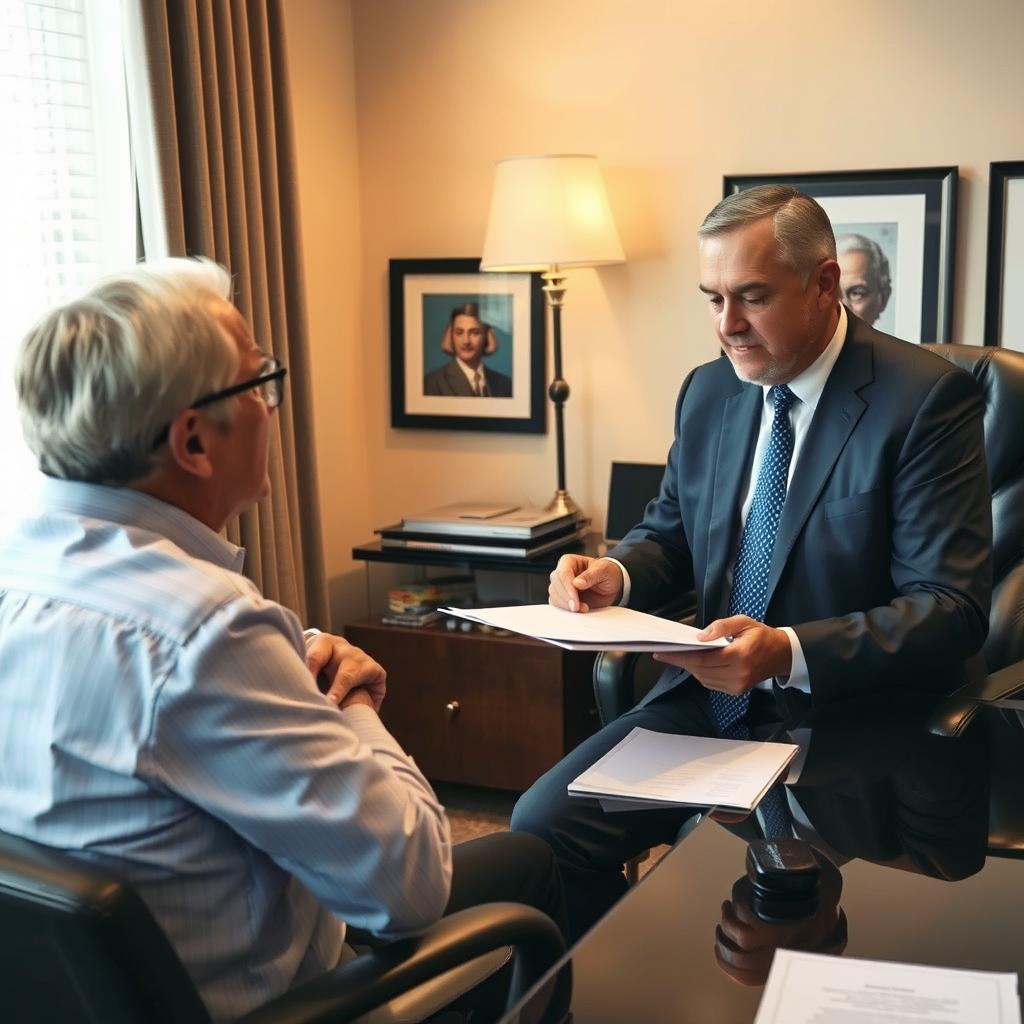
I-130 Petition Lawyer Woodley Park, DC
For families in Woodley Park, DC, the I‑130 petition is the critical first step toward reuniting with a spouse, parent, child, or sibling abroad. Mr. Sris, Owner and Founder of Law Offices Of SRIS, P.C., has guided District of Columbia residents through the I‑130 process since 1997. The petition, formally the “Petition for Alien Relative,” establishes a qualifying family relationship before U.S. Citizenship and Immigration Services (USCIS), and a well‑prepared filing reduces the risk of requests for evidence, denial, or delay. Whether the beneficiary is at a U.S. Consulate overseas or physically present in the United States and eligible to adjust status, our firm works with the petitioner to present a complete, well‑documented case. Law Offices Of SRIS, P.C. serves Woodley Park households from our Arlington, VA location, just across the Potomac. To discuss your family’s immigration plan, contact the firm at (888) 437‑7747. Law Offices Of SRIS, P.C. – Advocacy Without Borders.
What an I‑130 Petition Means in Woodley Park
The I‑130 is the foundational document for nearly every family‑based green‑card case. When a U.S. Citizen or lawful permanent resident (LPR) files an I‑130 for a relative, USCIS reviews the petition to confirm that the claimed relationship exists and that the petitioner is eligible to sponsor. In immediate‑relative categories—spouse, unmarried child under 21, or parent of a U.S. Citizen who is at least 21—no visa‑number wait applies. For preference categories (unmarried adult children, siblings, spouses and children of LPRs), a visa bulletin priority date can create a waiting period before the beneficiary may immigrant. Woodley Park petitioners, like all DC‑area residents, file applications that are processed through the USCIS Washington District Office in Fairfax, Virginia. If the beneficiary later faces removal proceedings, those cases are heard at the Arlington Immigration Court. Knowing which agency handles each stage helps families plan, and a filing error at the petition stage can cascade into years of procedural difficulty.
Woodley Park sits at the northwestern edge of the District, bordered by Rock Creek Park and the National Zoo. Its residents—many of whom work in diplomacy, international organizations, and law—often have cross‑border family ties that make immigration law a central concern. Our firm has advised Woodley Park families on I‑130 filings for decades, including cases where the beneficiary is abroad and requires consular processing at a U.S. Embassy or consulate. In those situations, the I‑130 approval notice is forwarded to the National Visa Center, and the local USCIS field office never handles the final interview. For clients whose relative is already inside the United States, the I‑130 is typically filed together with an I‑485 adjustment‑of‑status application. In either path, a properly constructed I‑130 is the essential starting point, and the supporting evidence—marriage certificates, divorce decrees, adoption records, birth certificates—must be gathered with care. Mistakes in translation or documentation are among the most common reasons for initial denial, and an experienced immigration attorney anticipates the categories of proof USCIS expects for each family relationship.
How Mr. Sris and His Of Counsel Handle I‑130 Petition Cases
Every I‑130 matter that Mr. Sris and his Of Counsel undertake begins with a careful intake that maps the family tree and identifies the legal framework for each beneficiary. Where a client has multiple relatives who may be eligible, the intake examines whether simultaneous or sequential filings are more appropriate, and whether any potential inadmissibility issues—such as prior immigration violations, criminal history, or prior fraudulent filings—must be addressed before a petition is submitted. Once the factual picture is clear, the focus turns to evidence assembly. For a marriage‑based petition, the firm works with the couple to compile not only the required civil documents but also secondary evidence that demonstrates a bona fide relationship: joint financial accounts, lease agreements, photographs, correspondence, and affidavits from third parties. For parent‑child or sibling petitions, the evidentiary trail often traces back decades and across borders, requiring coordination with family members in different countries.
Throughout the adjudication period, Mr. Sris and his Of Counsel monitor the case’s progress through USCIS electronic systems and respond to any request for additional evidence (RFE) or notice of intent to deny (NOID) within the window the agency allows. Because the firm is admitted in Virginia, Maryland, the District of Columbia, New Jersey, and New York, it can assist a Washington, D.C. Petitioner even if the beneficiary relocates to another state during the process—continuity of representation that many single‑jurisdiction firms cannot offer. If the beneficiary is placed in removal proceedings while the I‑130 is pending, representation can extend to the Arlington Immigration Court. Throughout, clients receive plain‑English explanations of each step, so they understand not only what the firm is filing on their behalf, but why each piece of evidence matters and what to expect next.
About Mr. Sris and His Of Counsel Team
Mr. Sris, Owner and Founder of Law Offices Of SRIS, P.C., began his legal career as a former prosecutor. That background trained him to build cases methodically, anticipate counter‑arguments, and present documentary evidence with precision—skills that translate directly into the I‑130 context, where each piece of supporting documentation must withstand agency scrutiny. He founded the firm in 1997 and is admitted in Virginia, Maryland, the District of Columbia, New Jersey, and New York. His legislative work includes testifying before the Virginia House Courts of Justice Committee in support of 2019 HB 635 (chief patron Del. David Bulova). Mr. Sris and his Of Counsel bring extensive combined legal experience. Results may vary.
All non‑Sris attorneys who contribute to the firm’s immigration practice serve as Of Counsel. They are experienced practitioners who collaborate with Mr. Sris to prepare petitions, research changing USCIS policy, and communicate with agency officers. The team’s multi‑state bar admissions and language capabilities allow Law Offices Of SRIS, P.C. to serve a diverse client base across the District of Columbia and beyond. Clients may schedule a consultation by contacting the firm at (888) 437‑7747. The firm’s Arlington, VA location serves Woodley Park and all other neighborhoods in the District.
Frequently Asked Questions
What is an I‑130 petition and who can file one?
An I‑130 petition is a USCIS form that a U.S. Citizen or lawful permanent resident files to establish a qualifying family relationship with a foreign national who seeks to immigrate. The petitioner must be at least 21 to sponsor a parent, and any age to sponsor a spouse or child. The beneficiary may be an immediate relative—spouse, unmarried child under 21, or parent—or may fall into a family‑preference category such as an adult son or daughter or a sibling. The I‑130 is the first step in the green‑card process; it does not by itself grant any immigration status. A well‑prepared petition includes certified translations of all foreign‑language documents and evidence tailored to the specific relationship claimed.
Where do Woodley Park residents file an I‑130 petition?
Woodley Park residents mail or submit the I‑130 to the USCIS lockbox facility serving the District of Columbia, and the petition is then processed by the USCIS Washington District Office in Fairfax, Virginia. Most I‑130 petitions are filed by mail; certain categories may also be filed online through the USCIS electronic system. In‑person interviews are not typically required at the I‑130 stage, although USCIS may schedule one if it needs to verify relationship evidence. If the beneficiary is abroad, after approval the case moves to the National Visa Center and then to a U.S. Consulate overseas. If the beneficiary is in the United States and eligible to adjust status, the I‑130 is usually accompanied by an I‑485 application and supporting documents filed with the same lockbox.
How long does an I‑130 petition take to process?
Processing times for I‑130 petitions vary significantly based on USCIS caseload, the field office or service center assigned, and the family category. USCIS publishes estimated processing times on its website, but those figures are updated periodically and can change. Cases that receive a request for additional evidence take longer. Immediate‑relative petitions often move faster than preference‑category petitions because they are not subject to a visa‑number wait, but the adjudication step itself still occupies a timeframe set by the agency. An experienced immigration firm monitors the case status and responds promptly to requests for evidence to avoid unnecessary delay. The timeline for each case is unique, and clients receive regular updates as the petition makes its way through the system.
What happens if an I‑130 is denied?
If USCIS denies an I‑130, the petitioner generally has the option to file a motion to reopen or reconsider, or to appeal to the Board of Immigration Appeals, depending on the procedural posture of the case. A denial notice explains the reason, which is often documentary insufficiency or a legal bar the petitioner cannot overcome. In some cases, refiling a new petition with additional evidence is the most practical path. When a denial is based on a misinterpretation of law or a factual error, a motion or appeal may succeed. The availability of administrative review depends on the type of denial and the specific USCIS office that issued it. Because deadlines for filing a motion or appeal can be short, consulting with an immigration attorney promptly after receiving a denial is important.
Do I need a lawyer to file an I‑130 petition?
No law requires a lawyer to file an I‑130, but many families choose to work with one because the consequences of an error can include prolonged separation or permanent inadmissibility findings. A lawyer ensures that the petition is complete, that the evidence meets USCIS standards, and that any potential complications—such as a prior denied visa, a criminal matter, or a previous removal order—are addressed before filing. Once a mistake is entered into the government’s electronic record, correcting it can be far more difficult than getting it right the first time. Law Offices Of SRIS, P.C. offers consultations for Woodley Park residents who want to understand what their particular case requires. To request a consultation, call (888) 437‑7747.
Explore other DC immigration pages: If you are interested in related resources, you may find these pages useful: Georgetown immigration lawyer, Cleveland Park immigration lawyer, Chevy Chase DC immigration lawyer, and Washington, D.C. Immigration lawyer (main page).
Official immigration primary sources: For the most current forms and processing‑time estimates, consult U.S. Citizenship and Immigration Services (USCIS). Information about the immigration courts is maintained by the Executive Office for Immigration Review (EOIR). The statutory framework is found in the Immigration and Nationality Act, 8 U.S.C. §§ 1101‑1537.
Attorney advertising. Prior results do not guarantee a similar outcome. Results may vary.
Case results depend on a variety of factors unique to each case.