
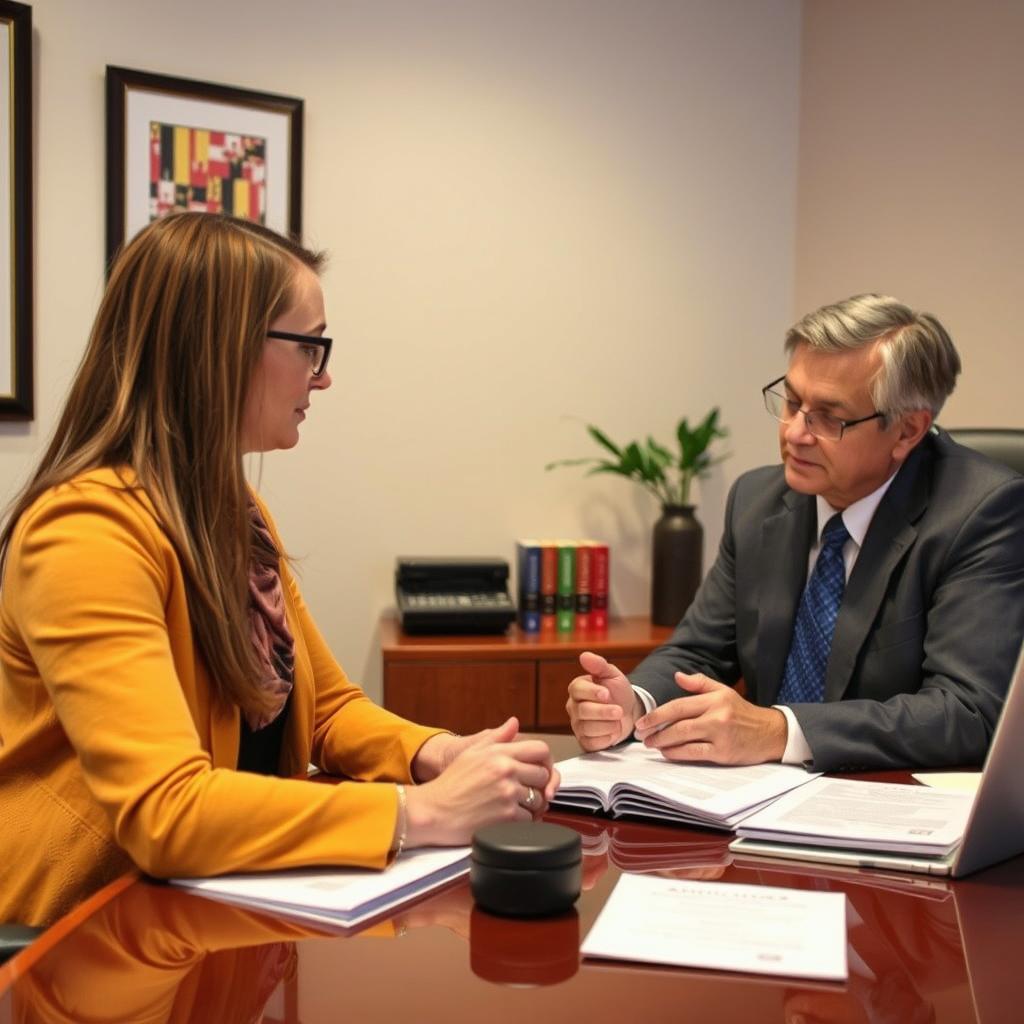
Consular Processing Lawyer Maryland, MD
For families in Maryland, reuniting with loved ones from abroad often begins with consular processing—the legal procedure for obtaining an immigrant visa at a U.S. Embassy or consulate. Under the Immigration and Nationality Act (8 U.S.C. § 1201), a U.S. Citizen or lawful permanent resident residing in Maryland files a petition with U.S. Citizenship and Immigration Services. Once the petition is approved, the case is forwarded to the National Visa Center and then to the consulate overseas for the beneficiary’s interview. Law Offices Of SRIS, P.C., practicing since 1997, guides Maryland residents through every phase of this process, from the initial Form I‑130 filing through the visa interview and beyond. Mr. Sris, a former prosecutor and Owner and Founder of the firm, leads an Of Counsel team that is experienced in family‑based immigration law. The firm assists with consular processing for spouses, children, parents, siblings, and fiancés, ensuring that documentation is complete and that beneficiaries are well prepared for the consular officer’s questions. Our Rockville location—accessible to clients in Montgomery County, Prince George’s County, Howard County, and throughout Maryland—handles consular processing matters for all Maryland residents. Reach our location at (888) 437‑7747 to request a consultation.
What Consular Processing Means in Maryland
When a Maryland petitioner initiates consular processing, the case begins at the USCIS Baltimore Field Office located at the Fallon Federal Building in Baltimore. That office adjudicates the I‑130 petition before the case moves to the National Visa Center. The NVC then coordinates the collection of civil documents, the affidavit of support, and the fee payment, and schedules the interview at the designated U.S. Consulate. Law Offices Of SRIS, P.C. Monitors each step to avoid delays and to respond promptly to any requests for evidence. Because consular processing requires coordination with both federal agencies and a foreign consulate, the process can involve documentary requirements that vary from one diplomatic post to another.
For Maryland residents, consular processing is the primary path to family reunification when a spouse, child, parent, or sibling is living outside the United States. The firm helps petitioners compile the necessary evidence of the family relationship, obtain required police clearances, and prepare the beneficiary for the consular interview—even when the interview takes place at a post with long wait times or demanding adjudication standards. Mr. Sris and his Of Counsel have assisted clients with consular processing for family members in countries across the globe, including India, Latin America, and Europe. Each case demands close attention to the INA’s eligibility requirements and the specific procedures of the U.S. Department of State.
How Mr. Sris and His Of Counsel Handle Consular Processing Cases
When you contact our Rockville location, Mr. Sris or a member of the Of Counsel team will discuss your family’s situation and determine whether consular processing is the appropriate path. If the beneficiary is outside the United States and not eligible to adjust status, consular processing is typically required. The firm evaluates the relationship, gathers evidence to satisfy the legal standard under the Immigration and Nationality Act, and prepares the I‑130 petition with a detailed affidavit of support. The petition is filed with USCIS, and the firm tracks its adjudication, responding to any request for evidence that may arise.
After the I‑130 is approved and the case is transferred to the NVC, the team assists with compiling the civil documents, such as birth certificates, marriage certificates, and police clearances. The firm communicates with the NVC to resolve any outstanding issues and to ensure that the case is documentarily qualified. Counsel then helps the beneficiary prepare for the visa interview by reviewing typical questions, organizing supporting documents, and advising on presentation. If the consulate requests additional evidence or refuses the visa, the firm works with the beneficiary to request reconsideration or to address any ineligibility concerns. Throughout the process, the firm remains available to answer questions and provide updates. The timeline for each matter varies, and Law Offices Of SRIS, P.C. Does not guarantee a particular result.
About Mr. Sris and His Of Counsel Team
Mr. Sris, Owner and Founder of Law Offices Of SRIS, P.C., has practiced immigration law for nearly three decades. A former prosecutor, he is admitted in Virginia, Maryland, the District of Columbia, New Jersey, and New York. He personally oversees the firm’s immigration caseload, ensuring that each case receives strategic attention. Mr. Sris has testified before the Virginia House Courts of Justice Committee in support of 2019 HB 635 (chief patron Del. David Bulova), reflecting his engagement with legislative issues that affect families.
Mr. Sris is supported by an Of Counsel team with extensive experience in federal immigration matters. Together, Mr. Sris and his Of Counsel bring over 120 years of combined legal experience. Results may vary. The firm has documented 4,739+ case results across all practice areas since its founding. Our team understands the personal stakes involved in family reunification and works diligently to present each case thoroughly to immigration authorities.
Frequently Asked Questions
What is consular processing?
Consular processing is the procedure for obtaining an immigrant visa at a U.S. Embassy or consulate abroad. When a beneficiary is outside the United States, an approved I‑130 petition leads to the National Visa Center stage, after which a consular officer interviews the applicant and decides eligibility. The process culminates in an immigrant visa stamped in the passport, allowing the individual to travel to the United States and become a lawful permanent resident upon admission. Law Offices Of SRIS, P.C. assists Maryland petitioners with every step of this sequence.
How does consular processing differ from adjustment of status?
Adjustment of status is for individuals already in the United States who may apply for a green card without leaving the country, while consular processing is for those outside the U.S. Who must attend an interview at a consulate. Both paths require an approved immigrant petition but follow different procedural rules. The firm helps determine which option applies based on the beneficiary’s location and immigration history.
What documents are needed for consular processing?
Typically, the petitioner must supply proof of U.S. Citizenship or lawful permanent residence, proof of the qualifying family relationship, a completed affidavit of support (Form I‑864), and the beneficiary’s civil documents, including police clearances and passport photographs. Each consulate may impose additional requirements, and the firm reviews all documentation to identify potential issues before submission.
How long does consular processing take?
Processing times vary based on the visa category, the priority date, the consulate’s workload, and the completeness of the application. Immediate relatives of U.S. Citizens generally move faster than those subject to annual numerical limits. Law Offices Of SRIS, P.C. Tracks case progress and can advise on current NVC processing timeframes; however, past results do not guarantee a similar outcome.
What happens if the visa is denied?
If a consular officer denies a visa, the beneficiary may receive a written explanation citing a ground of ineligibility. In some cases, a waiver may be available. The firm reviews the refusal, advises on potential motions to reconsider, and, if appropriate, assists with a new petition or an appeal. Results may vary. Prior visa denials do not guarantee a future outcome.
For official immigration resources, see the U.S. Citizenship and Immigration Services website, the Department of State visa page, and the Immigration and Nationality Act.
Attorney advertising. Prior results do not guarantee a similar outcome.
Results may vary.
Case results depend on a variety of factors unique to each case.