
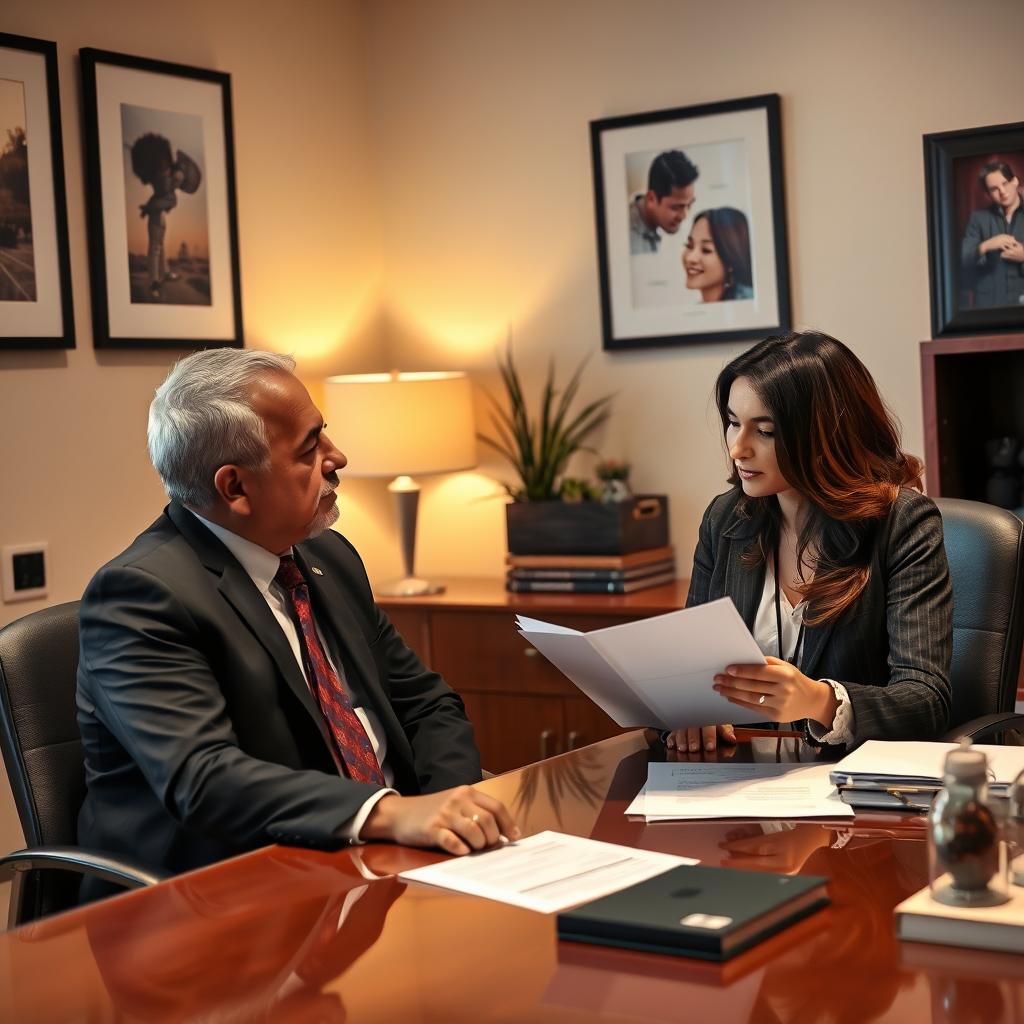
Fiancé Visa Lawyer U Street Corridor
You need a Fiancé Visa Lawyer U Street Corridor to manage the K-1 visa process. The Law Offices Of SRIS, P.C. —Advocacy Without Borders. can provide that representation. The process involves filing a petition with USCIS and an application with the Department of State. (Confirmed by SRIS, P.C.)
Statutory Definition of the K-1 Fiancé Visa
The K-1 nonimmigrant visa is defined under the Immigration and Nationality Act (INA) Section 101(a)(15)(K). This statute classifies an alien as a nonimmigrant who is the fiancé(e) of a U.S. citizen. The petitioner must have met their partner in person within the two years preceding the petition filing. The sole purpose of the K-1 visa is to permit the beneficiary to travel to the United States to marry the U.S. citizen petitioner. The marriage must occur within 90 days of the beneficiary’s admission into the country. Failure to marry within this window violates the visa terms. The beneficiary must then depart the United States.
INA § 101(a)(15)(K) — Nonimmigrant Classification — Admission for 90 days to marry U.S. citizen petitioner.
The legal framework is federal, not local to Washington D.C. or the U Street Corridor. All petitions are adjudicated by the United States Citizenship and Immigration Services (USCIS). Consular officers at U.S. embassies or consulates abroad make the final visa decision. The process is uniform nationwide but requires precise documentation. A Fiancé Visa Lawyer U Street Corridor understands the specific evidence needed for a strong case.
What is the legal basis for a K-1 visa?
The Immigration and Nationality Act provides the sole legal basis for the K-1 visa. INA Section 101(a)(15)(K) establishes the fiancé(e) nonimmigrant category. The Code of Federal Regulations (8 CFR § 214.2(k)) details the implementing rules. These laws require proof of a legitimate relationship and intent to marry. A petition must demonstrate both parties are legally free to marry.
What are the eligibility requirements for the petitioner?
The petitioner must be a United States citizen. Legal permanent residents (green card holders) cannot file a K-1 petition. The petitioner must have met their fiancé(e) in person at least once within the past two years. A waiver of this meeting requirement is possible but extremely rare. The petitioner must also demonstrate the financial ability to support the beneficiary.
What are the eligibility requirements for the beneficiary?
The beneficiary must be legally eligible to marry under U.S. law. This means any prior marriages must be legally terminated through divorce, annulment, or death. The beneficiary must intend to marry the U.S. citizen petitioner within 90 days of U.S. entry. They must also pass required medical and security background checks. The beneficiary must not have a history of immigration fraud or certain criminal convictions.
The Insider Procedural Edge for U Street Corridor Applicants
Your immigration case is processed through federal agencies, not a local D.C. court. The initial I-129F petition is filed with the USCIS Dallas Lockbox facility. While there is no local U Street Corridor immigration court for this process, strategic preparation is critical. A Fiancé Visa Lawyer U Street Corridor coordinates all filings from your location. They ensure evidence meets the standards of the adjudicating USCIS service center. Learn more about Virginia legal services.
Procedural specifics for the U Street Corridor are reviewed during a Consultation by appointment. The process follows a strict federal timeline after filing. USCIS currently charges a $535 filing fee for Form I-129F, Petition for Alien Fiancé(e). This fee is subject to change and is paid to the U.S. Department of Homeland Security. Additional fees are required later for the visa application and medical exam. The National Visa Center and the U.S. Embassy will also collect separate fees.
The entire K-1 visa process typically takes several months to over a year. Delays often occur due to incomplete petitions or requests for additional evidence. Having an attorney manage your K-1 fiancé visa application from the U Street Corridor minimizes these risks. They prepare the petition package to avoid common pitfalls that trigger delays. This includes assembling relationship evidence, proof of meeting, and financial documentation.
Where do I file the initial K-1 visa petition?
You file Form I-129F by mail to the USCIS Dallas Lockbox address. The specific P.O. box depends on the mail service you use. USCIS lists the current filing addresses on its official website. Do not file the petition at a local USCIS Location. An attorney ensures the petition is sent to the correct lockbox with proper payment.
What is the general timeline for the K-1 visa process?
The K-1 process involves multiple stages with variable processing times. USCIS currently takes several months to adjudicate the I-129F petition. After approval, the case goes to the National Visa Center for a few weeks. Then it is sent to the U.S. Embassy, which schedules an interview. The entire process from filing to visa issuance often exceeds nine months.
What happens after the K-1 visa is approved?
The beneficiary receives a visa placed in their passport. They must enter the United States within the visa’s validity period, typically six months. The marriage to the U.S. citizen petitioner must occur within 90 days of entry. After the marriage, the beneficiary applies for adjustment of status to become a permanent resident. This is a separate legal process with its own forms and fees.
Penalties & Defense Strategies for Visa Issues
The most common penalty for a K-1 visa issue is a denial of the petition or application. A denial can result from insufficient evidence, fraud, or ineligibility. This carries the penalty of separation from your fiancé(e) and loss of filing fees. More severe consequences include a finding of misrepresentation, which can lead to a permanent visa bar. A Fiancé Visa Lawyer U Street Corridor builds a case to prevent these outcomes. Learn more about criminal defense representation.
| Offense / Issue | Penalty | Notes |
|---|---|---|
| Petition Denial (Insufficient Evidence) | Case closed; must re-file and pay new fees | Loss of time; no appeal of USCIS denial unless motion to reopen filed. |
| Visa Denial at Consulate (INA 212(a)) | Visa refused; may trigger a temporary or permanent bar | Common grounds: fraud, criminal history, health, public charge. |
| Failure to Marry Within 90 Days | Out of status; subject to removal (deportation) | Beneficiary must depart U.S.; may face future entry bans. |
| Material Misrepresentation (Fraud) | Permanent ineligibility for any U.S. visa (INA 212(a)(6)(C)(i)) | Extremely difficult to waive; requires proof of extreme hardship to U.S. citizen. |
[Insider Insight] Consular officers at U.S. embassies have broad discretion. They scrutinize relationships for authenticity, especially where there are significant age gaps, language barriers, or short courtships. Officers in high-fraud regions are particularly skeptical. Presenting a well-documented relationship timeline is the best defense. An attorney can help you anticipate and address these concerns proactively.
Defense strategy begins with a thorough review of both parties’ histories. Any past immigration violations or criminal records must be identified early. Waivers may be available for some grounds of inadmissibility. The strategy involves gathering documentary evidence that tells a compelling story of a genuine relationship. This includes photos, travel records, communication logs, and affidavits from friends and family.
What are the consequences of a denied K-1 visa petition?
A denied I-129F petition means the process stops. You lose the $535 filing fee and the time invested. You can file a new petition if you can correct the deficiency that caused the denial. Alternatively, you may file a motion to reopen or reconsider with USCIS. An attorney can assess the denial notice and recommend the strongest next step.
Can you appeal a K-1 visa denial?
There is no direct appeal of a consular officer’s visa denial. The INA gives consular officers’ decisions “final” authority. If new evidence emerges, you can sometimes request a re-evaluation. For a denied I-129F petition by USCIS, you can file a motion or appeal to the Administrative Appeals Location. These are complex legal procedures that require an attorney’s skill.
What if my fiancé has a prior criminal record?
A criminal record does not automatically disqualify a beneficiary. It depends on the nature, severity, and number of offenses. Certain crimes make a person permanently inadmissible to the United States. For other crimes, a waiver of inadmissibility may be possible. An attorney must review the official court records to determine the exact options.
Why Hire SRIS, P.C. for Your Fiancé Visa Case
Our lead immigration attorney has over a decade of experience handling family-based petitions. This attorney manages complex cases involving prior denials and inadmissibility issues. SRIS, P.C. provides focused legal support for your K-1 fiancé visa application from the U Street Corridor. We understand the documentation required to satisfy both USCIS and consular officers. Learn more about DUI defense services.
Primary Attorney: Our managing immigration attorney directs all fiancé visa cases. This attorney has specific experience with waivers and requests for evidence (RFEs). They ensure every petition meets the high standard of proof required. The attorney coordinates directly with clients in the U Street Corridor area.
We prepare your case with the precision of a trial practice. Every document is checked for consistency and completeness. We develop a strategy for presenting evidence of your bona fide relationship. Our goal is to secure a timely approval without requests for additional evidence. We guide you through each subsequent step, including the embassy interview preparation.
SRIS, P.C. offers advocacy without borders from our U Street Corridor Location. We serve clients locally and internationally who are handling the U.S. immigration system. Our approach is direct and focused on achieving your goal of uniting with your fiancé(e). We explain the process in clear terms, without unrealistic promises. You get a realistic assessment and a diligent effort on your case.
Localized FAQs for U Street Corridor Fiancé Visa Applicants
How long does the K-1 visa process take from the U Street Corridor?
The full K-1 process typically takes 9 to 15 months from filing to visa in hand. USCIS processing is the longest phase. Embassy interview wait times vary by country. An attorney can help avoid delays from paperwork errors.
Can I visit my fiancé in the U.S. while the K-1 visa is processing?
The beneficiary can apply for a tourist visa, but entry is not assured. Customs officers may deny entry if they suspect immigrant intent. It is often safer to meet in a third country or for the U.S. citizen to travel abroad.
What evidence proves we have a genuine relationship?
Submit photos together, passport stamps, airline tickets, and hotel receipts. Include records of ongoing communication like call logs, texts, and emails. Affidavits from friends and family who know your relationship are also valuable evidence. Learn more about our experienced legal team.
What happens after we get married in the United States?
You must file for adjustment of status (Form I-485) for your spouse to get a green card. This is a separate application with additional fees and forms. Failure to file leaves your spouse out of legal status and subject to removal.
Do we need an interview for the K-1 visa?
Yes, the beneficiary must attend an interview at the U.S. Embassy or Consulate in their home country. The U.S. citizen petitioner does not typically attend but must provide updated financial evidence.
Proximity, CTA & Disclaimer
Our U Street Corridor Location serves clients in this historic district and across Washington D.C. Procedural specifics for the U Street Corridor are reviewed during a Consultation by appointment at our Location. We are accessible to residents near landmarks like the Lincoln Theatre and the African American Civil War Memorial. For a case review with a Fiancé Visa Lawyer U Street Corridor, call our team.
Consultation by appointment. Call 703-278-0405. 24/7.
Law Offices Of SRIS, P.C.—Advocacy Without Borders.
SRIS, P.C. – U Street Corridor Location
Washington D.C.
Past results do not predict future outcomes.