
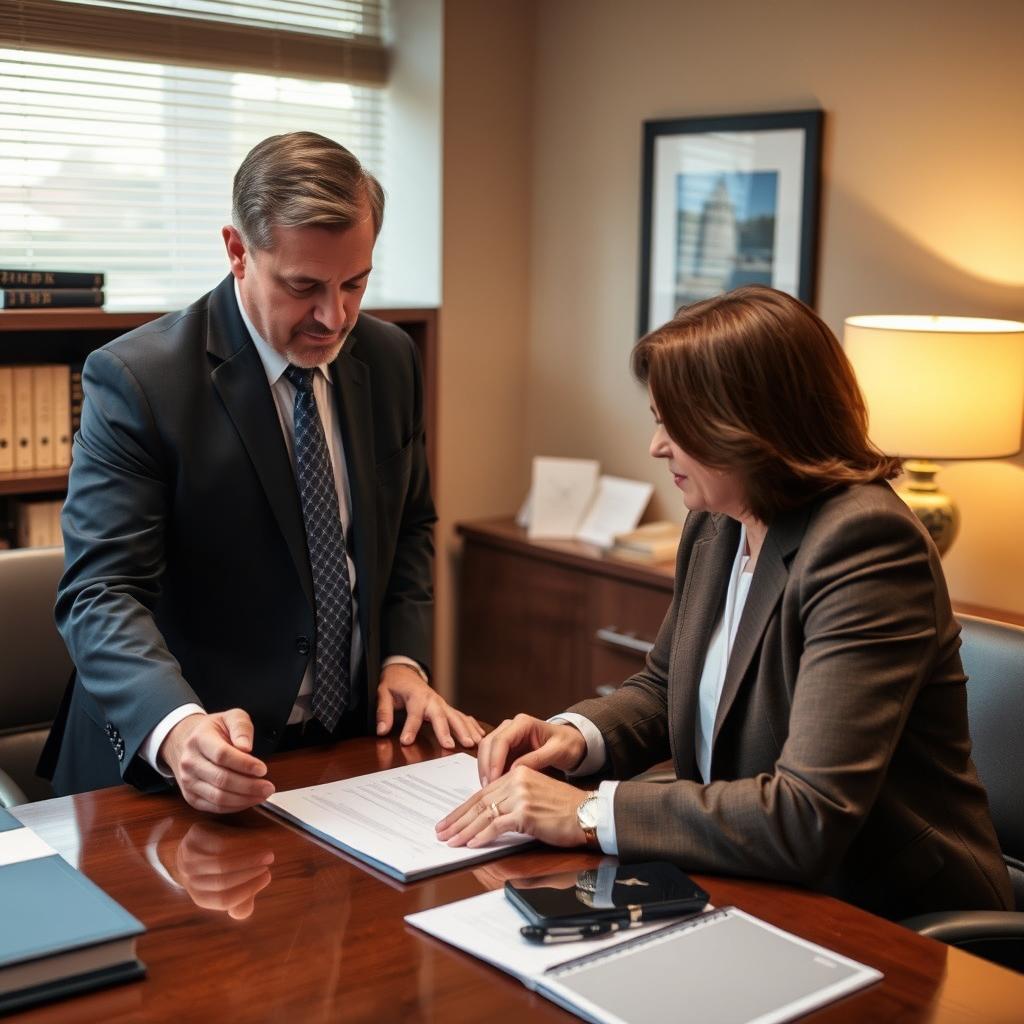
Immediate Relative Petition Lawyer Washington DC
For residents of Washington, D.C., reuniting with a spouse, parent, child, or other immediate family member often starts with an immediate relative petition—Form I‑130, the Petition for Alien Relative. This filing with U.S. Citizenship and Immigration Services (USCIS) establishes the qualifying family relationship that underpins an immigrant visa or adjustment of status. The process is governed by the Immigration and Nationality Act, and while the legal standard is nationwide, the practical handling of a petition can turn on which USCIS field office or, in removal-defense contexts, which immigration court hears the matter. For District of Columbia petitioners and beneficiaries, the USCIS Washington District Office—located at 2675 Prosperity Avenue in Fairfax, Virginia—processes affirmative applications, while removal proceedings are heard at the Arlington Immigration Court. Mr. Sris, Owner and Founder of Law Offices Of SRIS, P.C., and his Of Counsel team represent clients throughout Washington, D.C., helping them prepare and shepherd immediate relative petitions through every stage. Reach our firm at (888) 437‑7747 to schedule a consultation. Law Offices Of SRIS, P.C. – Advocacy Without Borders.
The USCIS filing fee for Form I‑130 is $675.
Source: USCIS Fee Schedule. USCIS Filing Fees
Reviewed by Mr. Sris, admitted in VA/MD/DC/NJ/NY.
What Immediate Relative Petition Means in Washington, D.C.
An immediate relative petition is the initial step for a U.S. Citizen or lawful permanent resident who wants to sponsor a foreign national family member for a green card. Immediate relatives—spouses, parents, and unmarried children under 21 of U.S. Citizens—are exempt from the annual numerical visa limits set out in 8 U.S.C. § 1151(b)(2)(A)(i). For Washington, D.C., residents, the practical significance is that USCIS adjudicates the petition at its Washington District Office, and the supporting evidence must meet federal standards while also being ready for potential interaction with local proceedings—such as if a family member is in removal proceedings at the Arlington Immigration Court. Our firm’s Arlington location, just across the Potomac, serves as a convenient point of contact for clients throughout D.C., from Capitol Hill and Georgetown to Anacostia and Brookland.
Beyond the core I‑130 filing, immediate relative petitions often intersect with adjustment of status (Form I‑485) when the beneficiary is already in the United States, or with consular processing when the beneficiary is abroad. D.C. Petitioners should understand that USCIS may request extensive documentation of the bona fides of the relationship—marriage certificates, birth certificates, joint financial records, and affidavits. The agency also conducts background checks and, in some cases, interviews. An attorney who is familiar with the Washington‑area USCIS office can help a petitioner anticipate what the local adjudicators tend to look for and can respond efficiently to Requests for Evidence (RFEs). Law Offices Of SRIS, P.C. Concentrates its immigration practice on precisely this kind of thorough, localized preparation.
How Mr. Sris and His Of Counsel Handle Immediate Relative Petition Cases
When a client engages Law Offices Of SRIS, P.C. for an immediate relative petition, the initial work focuses on confirming eligibility and gathering the evidence needed to demonstrate a qualifying relationship. Mr. Sris and his Of Counsel review the facts of the case, identify any potential inadmissibility issues that could derail the petition—such as prior immigration violations or criminal history—and, if the beneficiary is in removal proceedings, coordinate the I‑130 filing with the immigration court calendar. We prepare the petition and all supporting documentation, file it with the appropriate USCIS service center, and monitor the case through adjudication.
Throughout the process, we keep clients informed of procedural developments and deadlines. If USCIS issues an RFE or a Notice of Intent to Deny (NOID), we draft a substantive response grounded in the record. In cases where a petition is denied, we evaluate the merits of an appeal to the Board of Immigration Appeals or a motion to reconsider or reopen. Because our firm also practices in all five jurisdictions where our attorneys are admitted—Virginia, Maryland, the District of Columbia, New Jersey, and New York—we can assist families whose immigration matters intersect with multiple state legal systems, such as when a criminal conviction in one jurisdiction triggers inadmissibility concerns.
About Mr. Sris and His Of Counsel Team
Mr. Sris, Owner and Founder of Law Offices Of SRIS, P.C., has been practicing since 1997. He is admitted in Virginia, Maryland, the District of Columbia, New Jersey, and New York. His background includes experience as a former prosecutor, which gives him a unique vantage point in understanding how government agencies evaluate evidence and build cases. Mr. Sris testified before the Virginia House Courts of Justice Committee in support of 2019 HB 635 (chief patron Del. David Bulova). He and his Of Counsel team bring extensive combined legal experience to every immediate relative petition they handle. Results may vary.
The Of Counsel attorneys who support the firm’s immigration practice are engaged through Excella, each bringing experience that complements Mr. Sris’s own. Together, the team assists clients with family‑based petitions, adjustment of status, consular processing, naturalization, deportation defense, asylum, cancellation of removal, and related immigration matters. Clients in Washington, D.C., can schedule a consultation with Mr. Sris and his Of Counsel by calling (888) 437‑7747.
Frequently Asked Questions
Who qualifies as an immediate relative for a petition?
Immediate relatives are the spouse, parent, and unmarried children under 21 of a U.S. Citizen. Unlike other family‑based categories, immediate relatives are not subject to annual numerical limits, which means a visa number is always available once the petition is approved. Lawful permanent residents may petition for spouses and unmarried children, but those beneficiaries fall under preference categories rather than the immediate‑relative classification. An experienced immigration attorney can confirm which category applies to a particular family member and explain the associated waiting times.
Do I need a lawyer to file an immediate relative petition in Washington, D.C.?
You are not legally required to hire an attorney to file an I‑130 petition, but working with an experienced immigration lawyer can help avoid costly mistakes and delays. USCIS scrutinizes the evidence of a qualifying relationship, and a petition that is incomplete or insufficiently documented can be denied or returned with a Request for Evidence. An attorney familiar with the local USCIS Washington District Office can anticipate what evidence is most persuasive and can represent you if complications arise, such as a notice of intent to deny or a need to file a waiver of inadmissibility. Call (888) 437‑7747 for a consultation about your case.
Where are immigration petitions for D.C. Residents processed?
Affirmative immediate‑relative petitions for Washington, D.C., residents are processed at the USCIS Washington District Office at 2675 Prosperity Avenue in Fairfax, Virginia. If the beneficiary is in removal proceedings, the immigration court with jurisdiction is the Arlington Immigration Court at 1901 South Bell Street in Arlington, Virginia. Law Offices Of SRIS, P.C. assists clients with filings at both venues. The firm’s Arlington location is approximately 4.5 miles from the DC Superior Court and a short drive from the Arlington Immigration Court, making it convenient for D.C. Residents.
What happens after USCIS approves an immediate relative petition?
After approval, the next step depends on whether the beneficiary is inside or outside the United States. If the beneficiary is in the U.S. And eligible for adjustment of status, the attorney files Form I‑485 with supporting evidence and the appropriate fee. If the beneficiary is abroad, the case is forwarded to the National Visa Center for consular processing, and the beneficiary attends an interview at a U.S. Embassy or consulate. Throughout both paths, an attorney can help the applicant prepare for the interview and respond to any additional requests from the government.
Can an immediate relative petition be denied, and what can be done?
Yes, USCIS can deny an I‑130 petition for reasons including insufficient evidence of a qualifying relationship, failure to respond to an RFE, or findings of fraud. If the petition is denied, the decision letter will explain the basis for the denial and the appeal or motion options. An attorney can assess whether to file an appeal with the Board of Immigration Appeals or a motion to reconsider or reopen. In some situations, it may be more effective to re‑file the petition with stronger evidence. An experienced immigration lawyer can help you choose the most appropriate strategy.
How long does the immediate relative petition process take?
The overall timeline depends on USCIS processing times, the specific facts of the case, and whether the beneficiary pursues adjustment of status or consular processing. USCIS processing times for I‑130 petitions vary by service center and case complexity. After approval, adjustment of status and consular processing each have their own timelines, which are subject to change based on agency backlogs and policy updates. An attorney can provide a realistic estimate once the details of your case are known and can help you track the case progress.
Georgetown Immigration Lawyer |
Spring Valley Immigration Lawyer |
Cleveland Park Immigration Lawyer
Attorney advertising. Prior results do not guarantee a similar outcome.
Results may vary.
Case results depend on a variety of factors unique to each case.
Reviewed by Mr. Sris, admitted in Virginia, Maryland, District of Columbia, New Jersey, and New York.
© 1997‑2026 Law Offices Of SRIS, P.C.