
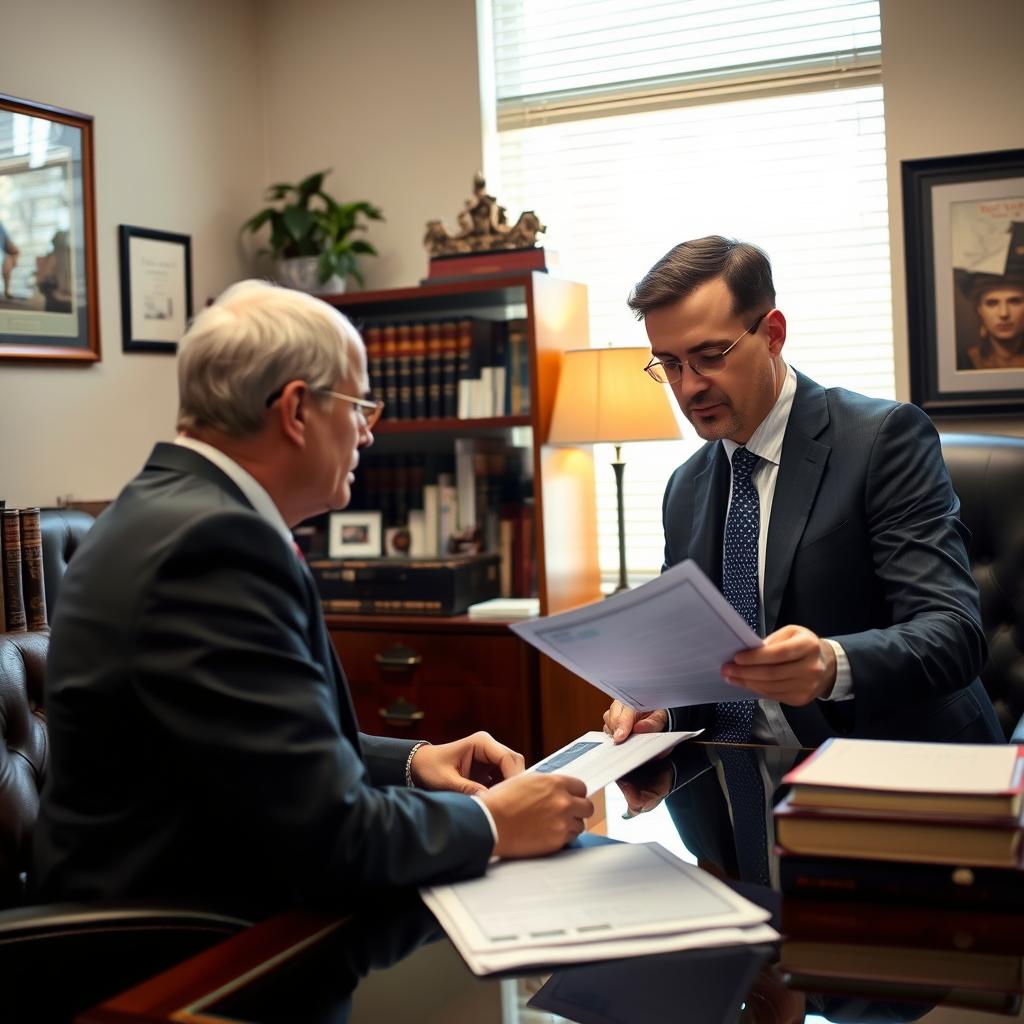
Family Green Card Lawyer Capitol Hill
You need a Family Green Card Lawyer Capitol Hill to handle your immigration petition. Law Offices Of SRIS, P.C. —Advocacy Without Borders. provides this critical legal service. The process involves filing forms with U.S. Citizenship and Immigration Services. It requires proving a qualifying family relationship. A lawyer ensures your application is complete and avoids delays. (Confirmed by SRIS, P.C.)
Statutory Definition and Immigration Basis
The Immigration and Nationality Act (INA) § 201(b) governs family-based immigration, classifying immediate relatives as having no numerical limit. The INA defines a “family-sponsored immigrant” as an alien sponsored by a qualifying relative. This is the statutory foundation for obtaining a green card through family. The process is not a criminal statute but a complex administrative procedure. It requires strict adherence to federal regulations and evidentiary standards. A Family Green Card Lawyer Capitol Hill handles these federal laws for you.
Family-based petitions are the most common path to lawful permanent residence. The petitioner must be a U.S. citizen or lawful permanent resident. They must prove a bona fide family relationship to the beneficiary. The INA establishes preference categories for certain relatives. These categories have annual visa limits causing waiting periods. Immediate relatives of U.S. citizens face no such caps. This includes spouses, unmarried children under 21, and parents. A green card through family lawyer Capitol Hill manages these category distinctions.
What are the main family-based green card categories?
Immediate Relatives of U.S. Citizens have no annual visa limits. This category includes spouses, unmarried children under 21, and parents of adult U.S. citizens. The Family First Preference (F1) is for unmarried sons and daughters of U.S. citizens. The Family Second Preference includes spouses and children of green card holders. It also includes unmarried sons and daughters of green card holders. The Family Third Preference (F3) is for married sons and daughters of U.S. citizens. The Family Fourth Preference (F4) is for brothers and sisters of U.S. citizens.
What evidence proves a qualifying family relationship?
You must provide primary legal documents to USCIS. For a spousal petition, submit a marriage certificate issued by civil authorities. You also need proof the prior marriages were legally terminated. For a parent-child relationship, submit a birth certificate showing both parents’ names. If a birth certificate is unavailable, secondary evidence like church records is required. For sibling petitions, you need birth certificates for both the petitioner and beneficiary. All foreign documents must be accompanied by a certified English translation.
Who is eligible to file a family-based petition?
A U.S. citizen can petition for a spouse, children, parents, and siblings. A lawful permanent resident can petition for a spouse and unmarried children. The petitioner must be at least 21 years old to file for a parent. They must prove their own U.S. citizenship or permanent resident status. The petitioner must demonstrate the ability to financially support the beneficiary. This is done by submitting an Affidavit of Support (Form I-864). A family-based green card petition lawyer Capitol Hill prepares this critical financial evidence. Learn more about Virginia legal services.
The Insider Procedural Edge in Capitol Hill
Your case is adjudicated by the USCIS Washington D.C. Field Location, not a local court. The address is 2675 Prosperity Avenue, Fairfax, VA 22031. This is the primary Location handling applications for District of Columbia residents. While not in Capitol Hill, it serves the entire D.C. metropolitan area. Procedural knowledge of this specific USCIS Location is crucial. A Family Green Card Lawyer Capitol Hill understands its processing timelines and officer tendencies.
The process starts with filing Form I-130, Petition for Alien Relative. This form establishes the qualifying family relationship. It is filed with the USCIS Chicago Lockbox or Phoenix Lockbox. The filing address depends on your state of residence and petition type. After I-130 approval, the case moves to the National Visa Center for processing. If the beneficiary is inside the U.S., they may file for adjustment of status. This involves Form I-485 submitted to the USCIS service center. Procedural specifics for Capitol Hill are reviewed during a Consultation by appointment.
What is the typical processing timeline for a family green card?
Processing times vary significantly based on the family category and visa availability. Immediate relative petitions currently average 10 to 13 months for I-130 processing. If a visa is immediately available, adjustment of status adds another 8 to 14 months. Preference category petitions involve longer waits due to visa backlogs. The F1 category can have a wait of several years. The F4 category for siblings often exceeds a decade of waiting. A lawyer monitors priority dates and visa bulletin movements for you.
What are the government filing fees involved?
The current filing fee for Form I-130 is $535. The fee for Form I-485, Application to Register Permanent Residence, is $1,140. This does not include the $85 biometrics service fee. The total for a typical adjustment of status package exceeds $1,760. Fee waivers are available for certain applicants who meet income guidelines. All fees are subject to change by USCIS regulation. A family-based green card petition lawyer Capitol Hill ensures correct fee payments to avoid rejection. Learn more about criminal defense representation.
Where does the interview take place for Capitol Hill applicants?
The interview is scheduled at the USCIS Washington D.C. Field Location in Fairfax. Applicants receive a notice with the exact date, time, and location. Both the petitioner and beneficiary typically must attend this interview. The officer will verify the relationship and application details under oath. Failure to appear can result in denial for abandonment. Preparation for this interview is a critical legal service. A green card through family lawyer Capitol Hill conducts rigorous mock interviews.
Penalties, Denials, and Defense Strategies
The most common negative outcome is a request for evidence or a denial. USCIS issues Requests for Evidence (RFE) for insufficient documentation. Failure to adequately respond leads to denial of the petition. A denial can result in the initiation of removal proceedings. It also creates a negative immigration history for future applications. There are no criminal penalties for a properly filed but unsuccessful petition. However, fraud in the process carries severe consequences including permanent bars.
| Issue | Consequence | Notes |
|---|---|---|
| Request for Evidence (RFE) | 87-day response deadline | Failure to respond results in denial. |
| Petition Denial | Loss of filing fees and status | May appeal to the Administrative Appeals Location. |
| Finding of Fraud/Misrepresentation | Permanent inadmissibility under INA § 212(a)(6)(C)(i) | Extremely difficult waiver standard. |
| Abandonment of Application | Denial for failure to appear for interview or biometrics | Can sometimes be motioned to reopen with good cause. |
| Visa Retrogression | Unexpected delay in final approval | Occurs when visa demand exceeds supply in a category. |
[Insider Insight] USCIS officers in the D.C. field Location scrutinize financial sponsorship evidence closely. They frequently issue RFEs for insufficient Affidavit of Support documentation. They also closely examine relationship evidence for marriage-based petitions. Petitions from Capitol Hill and surrounding affluent areas receive particular scrutiny for bona fides. An experienced lawyer anticipates these local adjudication trends.
What are the main reasons for family green card denials?
Insufficient financial support evidence is a leading cause of denial. The petitioner must meet 125% of the Federal Poverty Guidelines. Inability to prove a bona fide family relationship is another major reason. This is common in marriage petitions with short courtships or large age gaps. A finding of inadmissibility of the beneficiary will also cause denial. Grounds include health, criminal, security, or prior immigration violations. Failure to maintain legal status during adjustment processing leads to denial. A lawyer identifies and addresses these risks upfront. Learn more about DUI defense services.
How can a lawyer defend against a request for evidence?
A lawyer crafts a targeted, thorough response to the RFE. They gather additional documentary evidence to address the specific deficiency. For financial RFEs, they may add a joint sponsor or assets. For relationship RFEs, they compile more photos, correspondence, and affidavits. They ensure the response is organized and directly references the officer’s concerns. The response is filed within the strict 87-day deadline. A Family Green Card Lawyer Capitol Hill treats an RFE as a critical opportunity.
What happens if the petition is denied?
A lawyer can file a Motion to Reopen or a Motion to Reconsider. A Motion to Reopen presents new facts and evidence not previously available. A Motion to Reconsider argues the decision was based on an incorrect application of law. These motions must be filed within 30 days of the decision. Alternatively, you may appeal to the Administrative Appeals Location. In some cases, refiling a new petition is the better strategic option. A lawyer analyzes the denial notice to determine the best path forward.
Why Hire SRIS, P.C. for Your Capitol Hill Family Green Card
Our lead immigration attorney has over 15 years focused on family-based cases. He is a member of the American Immigration Lawyers Association. He has handled hundreds of I-130 and I-485 petitions. His practice is dedicated to handling USCIS procedures and policies. He provides direct representation at the Fairfax field Location. SRIS, P.C. brings systematic case management to a chaotic process.
SRIS, P.C. assigns a dedicated legal team to each family’s case. We maintain a detailed checklist for every required form and piece of evidence. We prepare clients thoroughly for the high-stakes USCIS interview. We monitor visa bulletin updates and priority dates proactively. Our Capitol Hill Location offers convenient access for consultations and document review. We understand the specific demographic and evidentiary profile of Capitol Hill applicants. Our approach is methodical and designed to minimize requests for evidence. Learn more about our experienced legal team.
We have successfully represented families across the spectrum of relationships. This includes complex cases involving prior marriages and dependent children. We handle cases where the beneficiary is inside or outside the United States. We manage the entire process from initial petition to green card receipt. Our team includes professionals fluent in multiple languages. We communicate clearly about expectations, costs, and timelines. Hiring SRIS, P.C. means having an advocate who knows the law and the local Location.
Localized FAQs for Capitol Hill Families
How long does a family green card take for Capitol Hill residents?
Processing times depend on your specific family category and visa availability. Immediate relative cases often take 1.5 to 2 years from start to finish. Preference category cases involve longer waits due to visa backlogs. The USCIS Washington D.C. Field Location current processing times are a key factor.
Can I adjust status if I entered the U.S. illegally?
Generally, no. An unlawful entry typically bars adjustment of status. You may need to consular process abroad, triggering a 3 or 10-year bar. Certain very limited waivers or protections may apply in specific circumstances. This requires immediate legal analysis from a qualified attorney.
What income level is required to sponsor a family member?
The sponsor must meet 125% of the Federal Poverty Guidelines for their household size. For a sponsor with a spouse and one child sponsoring a parent, the 2023 requirement was $32,275. If income is insufficient, a joint sponsor’s income can be used. Assets can also be used to meet the requirement at a 3:1 ratio.
What if my family member has a criminal record?
Many crimes make a beneficiary inadmissible for a green card. This includes crimes involving moral turpitude and controlled substance violations. Some crimes may be waivable under INA § 212(h). A lawyer must review the exact criminal statute, record, and sentence to advise.
How much does a family green card lawyer cost in Capitol Hill?
Legal fees vary based on case complexity, such as whether adjustment or consular processing is needed. Fees are typically separate from government filing costs. SRIS, P.C. provides a clear fee agreement during your initial consultation. We discuss all anticipated costs upfront.
Proximity, Contact, and Critical Disclaimer
Our legal team serves clients throughout the Capitol Hill area. Procedural specifics for your Capitol Hill family green card case are reviewed during a Consultation by appointment at our Location. We are accessible to residents near the U.S. Capitol, Eastern Market, and Lincoln Park. Call 24/7 to schedule your case review with a Family Green Card Lawyer Capitol Hill. Contact SRIS, P.C. at our main line for immediate assistance. We provide advocacy without borders for your family’s future in the United States.
Past results do not predict future outcomes.