
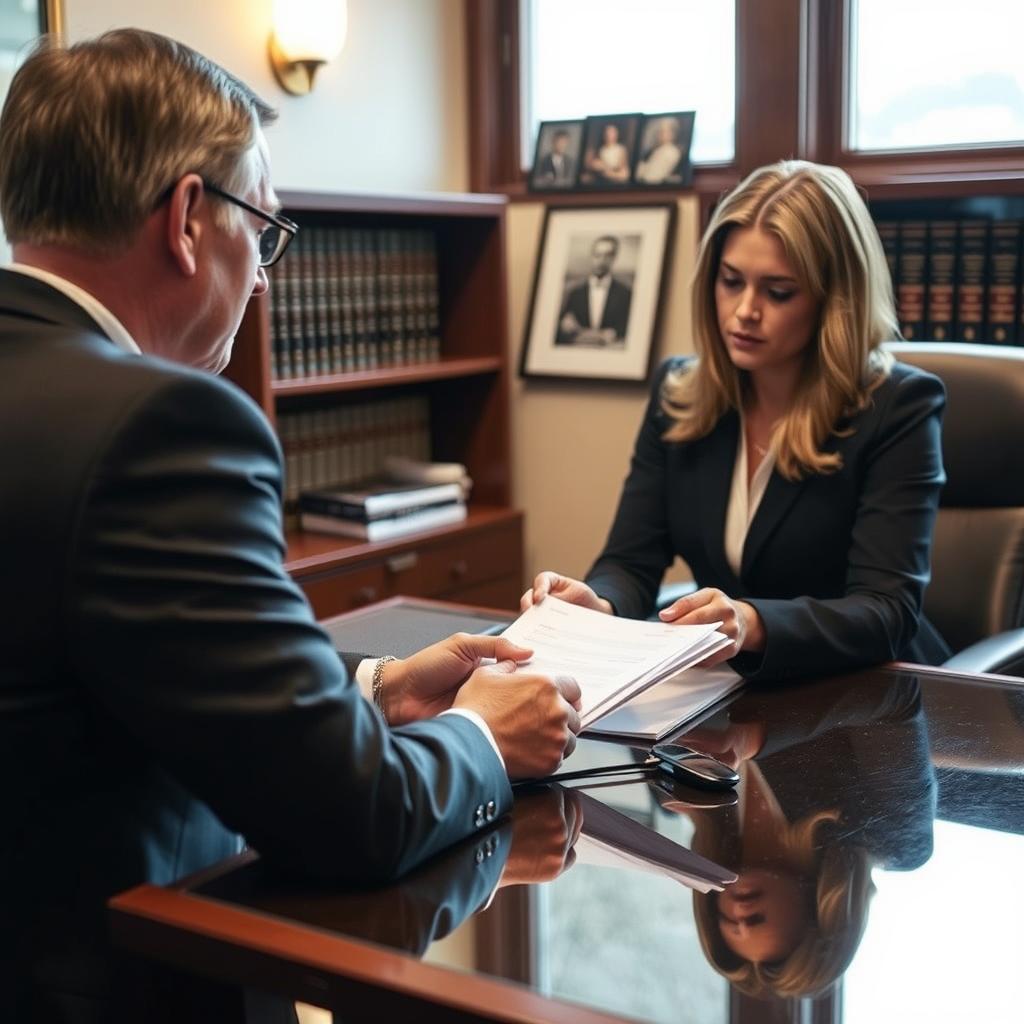
K1 Visa Lawyer Baltimore County
You need a K1 Visa Lawyer Baltimore County to manage the complex federal immigration process for your fiancé. The K-1 fiancé visa petition is filed with U.S. Citizenship and Immigration Services (USCIS) and requires proof of a bona fide relationship and intent to marry. Law Offices Of SRIS, P.C. —Advocacy Without Borders. (Confirmed by SRIS, P.C.)
Statutory Definition and Federal Visa Process
The K-1 fiancé visa is authorized under the Immigration and Nationality Act (INA) Section 101(a)(15)(K) and is a nonimmigrant visa classification. The process is governed by federal regulations, primarily 8 CFR 214.2(k). A K1 Visa Lawyer Baltimore County handles the petition filed on Form I-129F with USCIS. The beneficiary must marry the U.S. citizen petitioner within 90 days of U.S. entry. Failure to marry results in the beneficiary’s departure requirement. The maximum penalty for visa fraud is severe, including permanent inadmissibility and criminal charges. The legal standard requires proving a genuine relationship with intent to establish a life together. This is distinct from a spousal visa process. The burden of proof rests with the petitioner. Documentation must meet specific regulatory thresholds. Procedural errors can cause significant delays or denials.
What is the legal basis for a K-1 visa?
The Immigration and Nationality Act defines the K-1 visa category. Section 101(a)(15)(K) establishes the criteria for a fiancé(e) of a U.S. citizen. The visa allows for a 90-day window to marry after entry. Federal regulations detail the evidence required for approval.
What evidence proves a bona fide relationship?
Evidence includes photographs, travel records, and correspondence. Financial co-mingling and sworn affidavits from friends are also used. The evidence must demonstrate a mutual intent to marry. USCIS officers look for consistency across all submitted documents.
What happens if the marriage does not occur within 90 days?
The foreign national beneficiary must depart the United States. Failure to depart initiates removal proceedings. The beneficiary may lose eligibility for future visa benefits. This strict deadline is a core condition of the K-1 status.
The Insider Procedural Edge in Baltimore County
K-1 visa cases are adjudicated at the USCIS California Service Center or the Texas Service Center, not a local Baltimore County court. The procedural path for a K1 Visa Lawyer Baltimore County involves multiple federal agencies. The initial I-129F petition is mailed to a USCIS lockbox. After USCIS approval, the file moves to the National Visa Center (NVC). The NVC then forwards the case to the U.S. Embassy or Consulate in the beneficiary’s home country. The final step is adjustment of status after marriage, filed with USCIS. Local procedural facts involve coordinating with the nearest USCIS field Location for any interviews. The Baltimore County USCIS Location handles certain in-person requirements. Filing fees are set by federal regulation and are subject to change. Current fees for Form I-129F exceed $500. The total cost with subsequent applications is significantly higher. Timelines vary based on service center workload and embassy scheduling. Average processing times can exceed 10 months. Procedural specifics for Baltimore County are reviewed during a Consultation by appointment at our Baltimore County Location.
Where is the relevant USCIS Location located?
The USCIS Baltimore Field Location is the primary local immigration Location. It is located at 31 Hopkins Plaza, Baltimore, MD 21201. This Location may conduct interviews for related applications. Your K1 Visa Lawyer Baltimore County will manage all interactions. Learn more about Virginia legal services.
The legal process in baltimore county follows specific procedural requirements that affect case timelines and outcomes. Courts in this jurisdiction apply local rules that may differ from neighboring areas. An attorney familiar with baltimore county court procedures can identify procedural advantages relevant to your situation.
What is the typical timeline from filing to visa issuance?
USCIS petition adjudication often takes 6 to 9 months. National Visa Center processing adds several weeks. Consular interview scheduling depends on embassy backlogs. The entire process frequently exceeds one year from start to finish.
What are the critical filing fees?
The Form I-129F filing fee is a primary cost. The visa application fee paid to the Department of State is separate. The medical examination fee is paid abroad. The final adjustment of status application requires another substantial fee.
Virginia law establishes specific statutory frameworks that govern these matters. Each case involves unique factual circumstances that require careful legal analysis. SRIS, P.C. attorneys evaluate every relevant factor when developing case strategy for clients in baltimore county.
Penalties for Visa Fraud and Defense Strategies
The most common penalty for K-1 visa fraud is a permanent visa ban and removal from the United States. Criminal prosecution for material misrepresentation is a real risk under 18 U.S.C. § 1546. A K1 Visa Lawyer Baltimore County builds a defense by carefully documenting the genuine relationship. Learn more about criminal defense representation.
| Offense | Penalty | Notes |
|---|---|---|
| Visa Fraud (Material Misrepresentation) | Up to 10 years imprisonment, fines, permanent inadmissibility | Federal felony charge; applies to petitioner or beneficiary |
| Marriage Fraud | Up to 5 years imprisonment, fines, deportation | Separate statute (8 U.S.C. § 1325); triggers removal |
| Overstay after 90-day period | Accrual of unlawful presence, bar to re-entry | Begins the day after the 90-day period expires |
| Failure to Adjust Status | Initiation of removal proceedings | USCIS will issue a Notice to Appear (NTA) |
[Insider Insight] USCIS and consular officers in high-fraud regions scrutinize K-1 petitions heavily. Officers in Baltimore County are alert to inconsistencies in evidence timelines. Petitions for beneficiaries from certain countries face elevated scrutiny. Presenting a clear, chronological evidence packet is the strongest defense against fraud allegations.
What constitutes “material misrepresentation”?
Any false statement that could influence the visa decision is material. This includes lies about prior marriages, criminal history, or the relationship’s origin. Even omissions of fact can be deemed fraudulent. The government does not need to prove intent to deceive at the initial stage.
Can a denied K-1 petition be appealed?
USCIS denials of an I-129F can be appealed to the Administrative Appeals Location (AAO). The appeal process is formal and time-sensitive. A motion to reopen or reconsider is another option. Consular visa denials have very limited review rights.
Court procedures in baltimore county require proper documentation and adherence to filing deadlines. Missing a deadline or submitting incomplete filings can negatively impact case outcomes. Working with an attorney who handles cases in baltimore county courts regularly ensures that procedural requirements are met correctly and on time.
How does prior immigration history affect a K-1 case?
Previous visa overstays or denials create significant hurdles. Any prior removal order must be resolved. Unlawful presence may trigger three- or ten-year bars. Waivers may be available but require strong legal arguments. Learn more about DUI defense services.
Why Hire SRIS, P.C. for Your K-1 Visa Case
Our lead immigration attorney has over 15 years of direct experience handling family-based visa petitions. SRIS, P.C. provides focused legal support for your visa petition process in Baltimore County.
Attorney Profile: Our senior immigration counsel has a proven track record with K-1 and spousal visas. This attorney has successfully guided hundreds of petitions through USCIS and consular processing. Specific experience includes complex cases involving prior denials and waivers. The attorney’s practice is dedicated to family immigration law.
SRIS, P.C. has achieved numerous approvals for clients in Baltimore County. Our firm differentiator is direct attorney involvement in every case. We prepare the evidence packet with an eye for detail that satisfies officers. We anticipate requests for additional evidence (RFEs) and address issues preemptively. Our team understands the local procedural nuances of the Baltimore USCIS Location. We manage the entire timeline from the I-129F to the green card. You need an immigration visa application lawyer Baltimore County who knows the stakes. We provide that knowledge and relentless advocacy.
The timeline for resolving legal matters in baltimore county depends on multiple factors including case type, court scheduling, and the positions of all parties involved. SRIS, P.C. keeps clients informed throughout the process and works to move cases forward as efficiently as possible.
Localized K-1 Visa FAQs for Baltimore County
How long does the K-1 visa process take for Baltimore County residents?
The process typically takes 12 to 15 months from filing to visa issuance. USCIS processing is the longest phase. Consular interview dates vary by country. Contact our Baltimore County Location for a current timeline estimate. Learn more about our experienced legal team.
What documents do I need to start the K-1 visa process?
You need proof of U.S. citizenship, passport-style photos, and evidence of meeting in person. Evidence of a genuine relationship is critical. This includes correspondence, travel receipts, and photographs. Our lawyers help you compile a winning packet.
Can my fiancé work as soon as they arrive in the U.S. on a K-1 visa?
No, a K-1 visa holder cannot work immediately upon arrival. They must apply for an Employment Authorization Document (EAD) after filing for adjustment of status. The EAD processing time is several months. Work authorization is not automatic.
Financial implications are often a significant concern in legal proceedings. Virginia courts consider relevant financial factors when making determinations. Proper preparation of financial documentation strengthens your position and supports favorable outcomes in baltimore county courts.
What if we have already married abroad? Can we still use the K-1 visa?
No, the K-1 visa is invalid if you are already legally married. You must pursue a CR-1 or IR-1 spousal immigrant visa instead. The process and forms are different. Consult with an attorney to determine the correct path.
What are the financial requirements for the K-1 visa petitioner?
The petitioner must submit an I-134 Affidavit of Support. This form demonstrates income at or above 100% of the Federal Poverty Guidelines. The requirement is based on household size. Assets can sometimes be used to supplement income.
Proximity, Contact, and Final Disclaimer
Our Baltimore County Location serves clients throughout the region. We are accessible for meetings to discuss your immigration visa application. Consultation by appointment. Call 24/7. Our legal team is ready to assess your K-1 visa case. The process demands precision and experienced guidance. Do not risk a denial due to incomplete paperwork or procedural errors. SRIS, P.C. offers the focused representation you need for this important step. Contact us to begin.
Law Offices Of SRIS, P.C.—Advocacy Without Borders.
Consultation by appointment. Call [phone]. 24/7.
Past results do not predict future outcomes.