
Humanitarian Parole Lawyer Fluvanna County
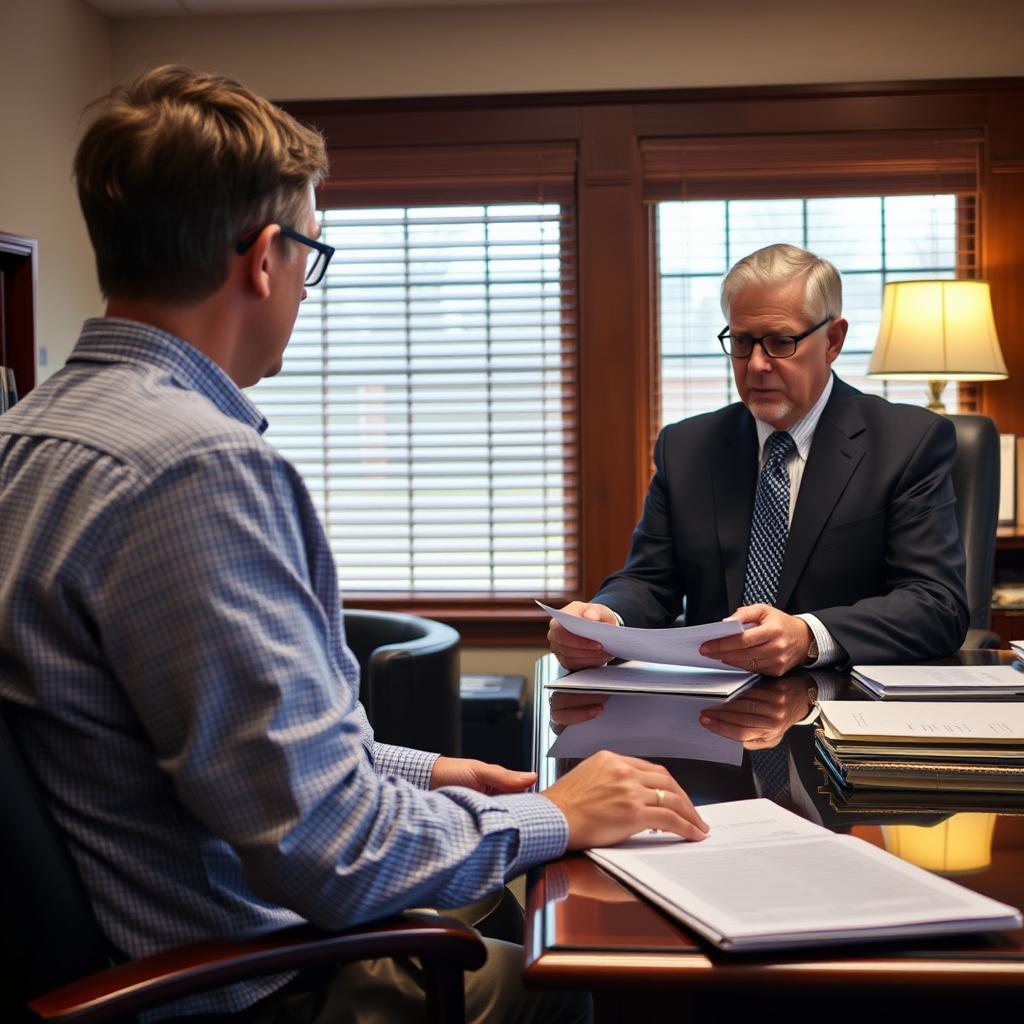
You need a Humanitarian Parole Lawyer Fluvanna County to handle urgent requests for temporary entry into the United States. Humanitarian parole is a discretionary tool for individuals facing compelling emergencies. The process is complex and requires precise legal documentation. Law Offices Of SRIS, P.C.—Advocacy Without Borders. provides focused representation for these urgent immigration matters. (Confirmed by SRIS, P.C.)
Statutory Definition of Humanitarian Parole
Humanitarian parole is not defined by a Virginia criminal statute but by federal immigration authority under the Immigration and Nationality Act. The United States Citizenship and Immigration Services (USCIS) grants parole on a case-by-case basis for urgent humanitarian reasons or significant public benefit. It is a temporary permission to enter and remain in the U.S. It is not a visa, asylum, or a path to permanent residency. A Humanitarian Parole Lawyer Fluvanna County handles this federal administrative process for clients. The legal basis stems from the Secretary of Homeland Security’s discretionary parole authority under INA § 212(d)(5)(A).
INA § 212(d)(5)(A) — Discretionary Parole Authority — Temporary admission with no change to immigration status.
This federal provision allows the Department of Homeland Security to parole individuals into the United States. Parole is granted only when there is a compelling emergency. The applicant must demonstrate urgent humanitarian reasons or a significant public benefit. Common grounds include obtaining critical medical treatment, attending a funeral, or providing care to a gravely ill relative. The burden of proof is entirely on the applicant. The decision is discretionary and not subject to appeal. An emergency immigration parole lawyer Fluvanna County builds the strongest possible evidentiary package.
What qualifies as an urgent humanitarian reason?
Urgent humanitarian reasons typically involve life-or-death medical emergencies or family crises. This includes accessing medical treatment unavailable in the applicant’s home country. It also covers visiting a dying immediate family member or attending their funeral. Providing essential care to a disabled or seriously ill U.S. relative may qualify. The situation must be time-sensitive and documented with official records. An experienced humanitarian admission lawyer Fluvanna County gathers hospital letters, death certificates, and doctor statements.
How long does humanitarian parole last?
Humanitarian parole is granted for a specific period tied to the emergency need. Initial grants are typically for the duration of the medical treatment or family event. Parole periods can range from several weeks to a maximum of one year. Extensions are possible but require a new, justified request. The parolee must depart the U.S. before the authorized period expires. Failure to depart can result in removal and bar future immigration benefits.
What is the difference between parole and asylum?
Parole is temporary permission to enter for a specific emergency, while asylum is protection from persecution. Humanitarian parole does not lead to a green card or permanent status. Asylum is a protection claim based on past persecution or a well-founded fear of future harm. An asylee can eventually apply for lawful permanent residence. A parolee’s stay is finite and conditional on the ongoing emergency. Choosing the correct legal path requires analysis by a skilled attorney.
The Insider Procedural Edge in Fluvanna County
Humanitarian parole applications are filed with the USCIS Texas Lockbox, not a local Fluvanna County court. The relevant federal administrative address for filing Form I-131 is USCIS, Attn: HP, P.O. Box 660865, Dallas, TX 75266. While no local Virginia court hears the initial application, Fluvanna County residents must ensure their supporting evidence is locally sourced and authenticated. Procedural specifics for Fluvanna County are reviewed during a Consultation by appointment at our Virginia Location. The process demands coordination with medical providers or officials in the Fluvanna area. Learn more about Virginia legal services.
The filing fee for Form I-131 Application for Travel Document is currently $630. A separate biometric services fee of $85 is also required. Fee waivers are available under certain circumstances but require separate documentation. The entire application package must be carefully assembled. It includes Form I-131, Form I-134 Affidavit of Support, a detailed statement of the emergency, and corroborating evidence. All documents not in English must include a certified translation. An emergency immigration parole lawyer Fluvanna County ensures the package meets all technical requirements to avoid delays.
What is the typical processing timeline?
Processing times for humanitarian parole requests vary significantly based on case complexity. USCIS does not publish standard processing times for discretionary parole requests. Expedited processing can be requested based on the severity of the emergency. A well-documented, urgent medical case may receive a decision in a few weeks. Cases with insufficient evidence or unclear urgency can take several months. Legal representation is critical to present the case for expedited review effectively.
Can you apply from within the United States?
Humanitarian parole is primarily a mechanism for individuals outside the U.S. to seek temporary entry. In rare circumstances, individuals already in the U.S. under a different status may apply for “advance parole” to travel and return. This is a distinct process from humanitarian parole for entry. An individual present without inspection cannot typically adjust status through parole. Consulting with a humanitarian admission lawyer Fluvanna County clarifies the appropriate procedural path.
Penalties & Defense Strategies for Parole Issues
The most significant penalty for parole issues is the denial of the application and a bar on future requests. There are no criminal fines or jail time for a denied humanitarian parole application. However, severe consequences stem from a denial, including prolonged family separation or inability to access critical care. If parole is granted but violated, the individual becomes an immigration enforcement priority. Violations include overstaying the parole period or working without authorization. This can lead to detention, removal, and long-term bars to reentry.
| Issue | Consequence | Notes |
|---|---|---|
| Application Denial | Request refused; emergency need unmet. | No appeal right, but reapplication is possible with new evidence. |
| Overstaying Parole Period | Accrual of unlawful presence; subject to arrest and removal. | May trigger 3-year or 10-year bar on future admission to U.S. |
| Working Without Authorization | Violation of parole terms; removal proceedings. | Parole does not confer automatic work authorization; must file I-765. |
| Misrepresentation on Application | Potential finding of fraud; permanent inadmissibility. | Highlights need for complete accuracy in all forms and statements. |
[Insider Insight] USCIS adjudicators scrutinize the bona fides of the emergency and the sponsor’s financial capability. Applications from Fluvanna County must clearly link the emergency to local circumstances or family ties. Vague or poorly documented requests are routinely denied. A strong affidavit of support from a financially stable sponsor in Virginia is crucial. Presenting a clear, verifiable timeline of the emergency is the best defense against a denial.
What if my humanitarian parole application is denied?
A denial of a humanitarian parole request does not carry a formal appeal process. The option is to refile the application with substantially new or additional evidence. The new filing must address the reasons for the initial denial. It often requires obtaining more definitive medical prognoses or experienced statements. Re-filing also incurs another full filing fee. Immediate legal review of the denial notice is essential to plan the next step. Learn more about criminal defense representation.
Can parole lead to a green card?
Humanitarian parole itself is not a direct path to a green card or lawful permanent residence. Parole is a temporary status with no dual intent. However, a parolee may be eligible to adjust status if they independently qualify under another provision of law. For example, a parolee who marries a U.S. citizen may apply for adjustment. The parole status simply allows them to be physically present to file. This is a complex area requiring specific legal advice.
Why Hire SRIS, P.C. for Your Fluvanna County Case
SRIS, P.C. attorneys bring direct experience with the humanitarian parole process and its evidentiary demands. Our team understands how to compile a persuasive, fact-driven application for Fluvanna County residents. We focus on the details that convince adjudicators of the urgent need.
Attorney Background: Our immigration team includes attorneys skilled in humanitarian applications. They manage the collection of medical records, affidavits, and supporting documents. They draft the detailed legal statement that frames the emergency. They ensure the financial sponsor’s paperwork meets USCIS requirements. This systematic approach addresses the common pitfalls in parole requests.
We provide our experienced legal team for these sensitive matters. SRIS, P.C. has handled numerous humanitarian and family-based immigration cases. We know how to present a Fluvanna County-based emergency to federal authorities. Our approach is thorough and direct. We prepare clients for the reality of the process while fighting for the best outcome. We offer a Consultation by appointment to review the specific facts of your emergency.
Localized FAQs for Fluvanna County Residents
Where do I file a humanitarian parole application from Fluvanna County?
All humanitarian parole applications are filed by mail with the USCIS Texas Lockbox. The address is USCIS, Attn: HP, P.O. Box 660865, Dallas, TX 75266. Fluvanna County evidence must be included in the package.
What evidence is needed for a medical humanitarian parole case?
You need a detailed letter from a treating physician in Fluvanna County or Charlottesville. The letter must diagnose the condition, state the treatment needed, and confirm it’s unavailable in the home country. Hospital records and cost estimates are also critical. Learn more about DUI defense services.
Who can be a financial sponsor for humanitarian parole?
A sponsor must be a U.S. citizen, lawful permanent resident, or parolee. They must complete Form I-134 and prove income at 100% of the Federal Poverty Guidelines. A Fluvanna County sponsor can strengthen the case.
How quickly can someone come to the U.S. on humanitarian parole?
If expedited and approved, travel can occur within weeks. The timeline depends on USCIS processing, visa issuance at a consulate, and flight availability. There is no assured timeframe for any case.
Can I visit Fluvanna County on humanitarian parole?
Yes, if parole is granted, the individual may travel to the location of the emergency. The parole document will specify the period and purpose of admission, which must be adhered to strictly.
Proximity, CTA & Disclaimer
Our Virginia Location serves clients throughout Fluvanna County. We are accessible for meetings to prepare urgent humanitarian parole applications. Consultation by appointment. Call 888-437-7747. 24/7.
Law Offices Of SRIS, P.C. —Advocacy Without Borders.
NAP: SRIS, P.C.
Phone: 888-437-7747
Past results do not predict future outcomes.