
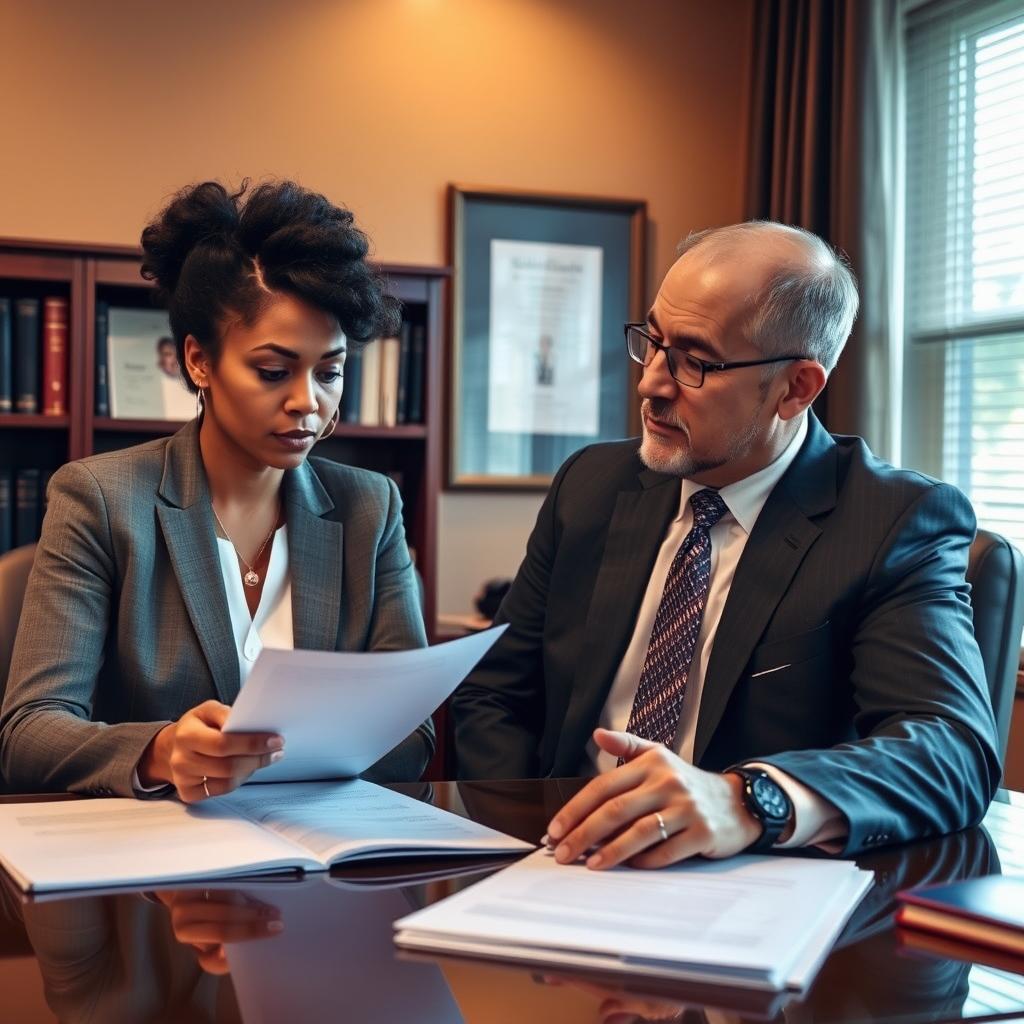
Domestic Violence Immigration Lawyer James City County
If you are an immigrant in James City County facing domestic violence, you need a lawyer who understands both family law and federal immigration rules. A Domestic Violence Immigration Lawyer James City County can help you secure protection and apply for immigration relief like a VAWA petition. Law Offices Of SRIS, P.C. —Advocacy Without Borders. (Confirmed by SRIS, P.C.)
Statutory Definition of Domestic Violence in Virginia Immigration Cases
Virginia law defines domestic violence under specific criminal statutes, and these state-level convictions directly impact federal immigration proceedings. For immigration purposes, acts of battery, assault, or violation of a protective order against a family or household member can be classified as crimes involving moral turpitude or as deportable domestic violence offenses. Understanding the exact Virginia Code sections is the first step in building a defense or an application for relief.
Va. Code § 18.2-57.2 — Class 1 Misdemeanor — Up to 12 months in jail and a $2,500 fine. This is the primary statute for assault and battery against a family or household member. A conviction under this code creates a permanent record that U.S. Citizenship and Immigration Services (USCIS) and immigration judges will review. It can be grounds for deportation or denial of a green card.
Other relevant statutes include Va. Code § 18.2-60.4 for violating a protective order, which is also a Class 1 Misdemeanor. For immigration relief under the Violence Against Women Act (VAWA), you must prove you were subjected to battery or extreme cruelty by a U.S. citizen or lawful permanent resident spouse or parent. The evidence standard for immigration court is different from state criminal court, requiring detailed documentation.
How a domestic violence charge affects a green card application.
A domestic violence charge can derail a green card application. USCIS conducts a mandatory background check and will discover any arrest or conviction. A conviction under Va. Code § 18.2-57.2 makes an applicant inadmissible on grounds of moral turpitude. It can also be a deportable offense if the green card holder is convicted after admission. An immigration lawyer must argue for a waiver or post-conviction relief to overcome this barrier.
The difference between a criminal charge and a protective order in immigration court.
A criminal charge is an active case brought by the Commonwealth of Virginia. A protective order is a civil order from a juvenile and domestic relations district court. Immigration authorities view a final protective order as evidence of problematic behavior. A criminal conviction is far more severe for immigration status. An experienced attorney can negotiate to have criminal charges reduced or dismissed in exchange for complying with a civil protective order.
What qualifies as “extreme cruelty” for a VAWA self-petition.
“Extreme cruelty” for a VAWA petition includes more than physical violence. USCIS recognizes psychological abuse, threats, isolation, and financial control as qualifying acts. The abuse must have occurred during the marriage or parental relationship. You must provide substantial evidence, such as police reports, medical records, affidavits from witnesses, and personal statements. A lawyer organizes this evidence to meet the strict requirements of the U.S. immigration system.
The Insider Procedural Edge in James City County Courts
Domestic violence cases in James City County start at the Williamsburg-James City County Juvenile and Domestic Relations District Court. This court handles all family abuse protective orders and related criminal misdemeanors. Knowing the local procedures and personnel is critical for managing the case’s impact on your immigration status. Learn more about Virginia legal services.
The Williamsburg-James City County Juvenile and Domestic Relations District Court is located at 5201 Monticello Ave, Williamsburg, VA 23188. This court shares a building with the General District Court. Protective order petitions are filed with the court’s intake Location. Filing fees may be waived for petitioners who cannot afford them. Emergency protective orders can be issued by a magistrate 24 hours a day.
Criminal charges for domestic assault are typically heard in the same courthouse. The local Commonwealth’s Attorney reviews police reports to decide on prosecution. James City County prosecutors generally take domestic violence allegations seriously. They often seek active jail time for convictions. An attorney must engage with prosecutors early to discuss alternatives that may protect your immigration status, such as diversion programs or amended charges.
The timeline is fast. An emergency protective order expires in 72 hours. A preliminary protective order hearing is held within 15 days. A full hearing on a permanent protective order is within two weeks after that. Criminal cases can take months to resolve. Coordination between the state court case and any pending immigration filings is essential. Missed court dates result in bench warrants and negative inferences in immigration court.
How long does a domestic violence case take in James City County?
A domestic violence case can take from three months to over a year. The protective order process moves quickly, often concluding within a month. The related criminal case moves slower through the court docket. Continuances are common. Your immigration lawyer must monitor both calendars to prevent conflicts with USCIS interviews or immigration court hearings.
Can I get a protective order without filing criminal charges?
Yes, you can get a protective order without criminal charges. The civil protective order system is separate. You file a petition alleging abuse. The court can grant relief based on a lower standard of proof than a criminal trial. However, the court clerk may send a copy of the order to the police. The Commonwealth’s Attorney may then decide to pursue criminal charges independently based on the petition’s allegations.
What happens at the first court hearing for a protective order?
At the first hearing, the judge reviews the petition for a preliminary protective order. The respondent can be present to argue against it. The judge hears brief testimony from both sides. The judge decides if there is sufficient evidence to issue an order lasting up to 15 days. You must be prepared with specific facts and evidence. An attorney ensures your testimony is clear and addresses the legal requirements. Learn more about criminal defense representation.
Penalties, Immigration Consequences, and Defense Strategies
The most common penalty for a first-offense domestic assault misdemeanor in James City County is a suspended jail sentence, probation, and mandatory counseling. However, any conviction carries severe immigration consequences that often outweigh the criminal penalty. A conviction can lead to detention by ICE, removal proceedings, and permanent ineligibility for citizenship.
| Offense | Penalty | Immigration Notes |
|---|---|---|
| Assault & Battery (Va. Code § 18.2-57.2) | Class 1 Misdemeanor: Up to 12 months jail, $2,500 fine | Crime involving moral turpitude (CIMT). Grounds for deportation/denial of admission. |
| Violation of Protective Order (Va. Code § 18.2-60.4) | Class 1 Misdemeanor: Same as above. Mandatory minimum 60 days jail for third offense. | Viewed as a serious disregard for U.S. law. Aggravates immigration case. |
| Domestic Assault Conviction (Any) | Probation, Anger Management, No Contact Orders | Renders a non-citizen deportable under INA § 237(a)(2)(E). |
| VAWA Self-Petition Approval | Not a penalty. Provides a path to a green card without the abuser’s sponsorship. | Requires proof of battery/extreme cruelty and good moral character. |
[Insider Insight] James City County prosecutors frequently seek active jail time, especially if the alleged victim has visible injuries or there is a prior history. They are less likely to agree to simple dismissals. A strong defense strategy often involves challenging the evidence upfront and negotiating for an alternative disposition, like a deferred finding, that may avoid a formal “conviction” for immigration purposes.
Defense strategies are dual-track. In state court, the goal is to avoid a conviction. This can mean fighting the charges at trial or negotiating for a non-deportable outcome like a dismissal after completing counseling. In immigration court or for a VAWA filing, the strategy is to affirmatively prove eligibility for relief. This requires gathering extensive documentation of the abuse, your good character, and your ties to the United States.
Will a domestic violence conviction cause deportation?
Yes, a domestic violence conviction is a specific ground for deportation. Under immigration law, any non-citizen convicted of a crime of domestic violence is deportable. This includes legal permanent residents. Even if the sentence was fully suspended, the conviction itself triggers removal proceedings. You must act quickly to explore post-conviction relief options in state court.
Can I still apply for a green card if I was accused of domestic violence?
An accusation alone does not automatically deny a green card. However, it will trigger intense scrutiny. USCIS will delay a decision until the criminal case is resolved. If charges are pending, your application will likely be denied. If charges are dismissed, you may proceed but must provide full court documentation. A conviction will lead to a denial unless a waiver is available and granted.
What is the best defense for immigrants facing domestic violence charges?
The best defense is a proactive, two-pronged legal approach. First, attack the weakness in the Commonwealth’s criminal case—lack of evidence, self-defense, or false allegations. Second, simultaneously prepare your immigration relief application, such as VAWA or a U visa if you are the victim. This shows the court you are addressing underlying issues and seeking legal status through proper channels. Learn more about DUI defense services.
Why Hire SRIS, P.C. for Your James City County Immigration Case
SRIS, P.C. attorneys have specific experience handling the Williamsburg-James City County court system while protecting clients’ immigration statuses. We understand how a local misdemeanor case can destroy your life in the United States. Our approach is direct and strategic, focused on achieving outcomes that allow you to remain in the country.
Attorney Background: Our lead immigration attorneys have handled hundreds of cases involving domestic violence and immigration consequences. They are familiar with the local judges, prosecutors, and court clerks in James City County. They know which arguments resonate in the juvenile and domestic relations court and how to frame evidence for USCIS.
The firm has a track record of securing favorable results in complex cases. We have successfully defended clients against deportation by getting criminal charges reduced or dismissed. We have also prepared successful VAWA self-petitions and U visa applications for victims of crime in James City County. We prepare every case as if it will go to trial, which gives us use in negotiations.
Our differentiator is the smooth integration of criminal defense and immigration law. We do not treat these as separate legal issues. One legal team manages both fronts, ensuring that a tactic in state court does not inadvertently harm the immigration case. We communicate the immigration stakes to the criminal court judge and prosecutor, which can influence their decisions.
Localized FAQs for James City County Immigration Cases
Where do I file for a protective order in James City County?
File at the Williamsburg-James City County Juvenile and Domestic Relations District Court at 5201 Monticello Ave, Williamsburg. The court clerk’s Location handles petitions during business hours. An emergency order can be obtained from a magistrate at any time.
Can I get deported for a domestic violence charge if I’m married to a U.S. citizen?
Yes, marriage to a U.S. citizen does not shield you from deportation for a domestic violence conviction. The conviction is a separate deportable offense. It can also prevent you from adjusting status through your spouse. You need legal intervention to challenge the conviction or apply for a waiver. Learn more about our experienced legal team.
What evidence do I need for a VAWA petition in James City County?
You need proof of the abuser’s status, proof of the relationship, proof you lived together, evidence of the battery or cruelty, and proof of your good moral character. This includes police reports, medical records, photos, witness statements, and your own declaration.
How does a U visa differ from VAWA for domestic violence victims?
A U visa requires you to report the crime to law enforcement and obtain a certification from a qualifying agency. VAWA does not require police involvement. Both lead to a green card, but the eligibility paths and evidentiary requirements are different. An attorney can advise which is stronger for your case.
How long does immigration relief like VAWA take to process?
VAWA petition processing currently takes several years. You may be eligible for a work permit while waiting. The timeline depends on USCIS caseloads. A pending VAWA petition can sometimes help in a related criminal case by demonstrating your lawful pursuit of status.
Proximity, Contact, and Critical Disclaimer
Our team serves clients throughout James City County and the greater Williamsburg area. While SRIS, P.C. has a primary Location in Virginia, our attorneys are familiar with the local courts and procedures in James City County. We provide representation at the Williamsburg-James City County Juvenile and Domestic Relations District Court and before federal immigration authorities.
Consultation by appointment. Call 24/7 to discuss your domestic violence and immigration situation with our legal team. We will review the specifics of your case from both a criminal and immigration perspective.
Law Offices Of SRIS, P.C.—Advocacy Without Borders.
Phone: [PHONE NUMBER FROM GMB]
Address: [PRIMARY ADDRESS FROM GMB]
Past results do not predict future outcomes.