
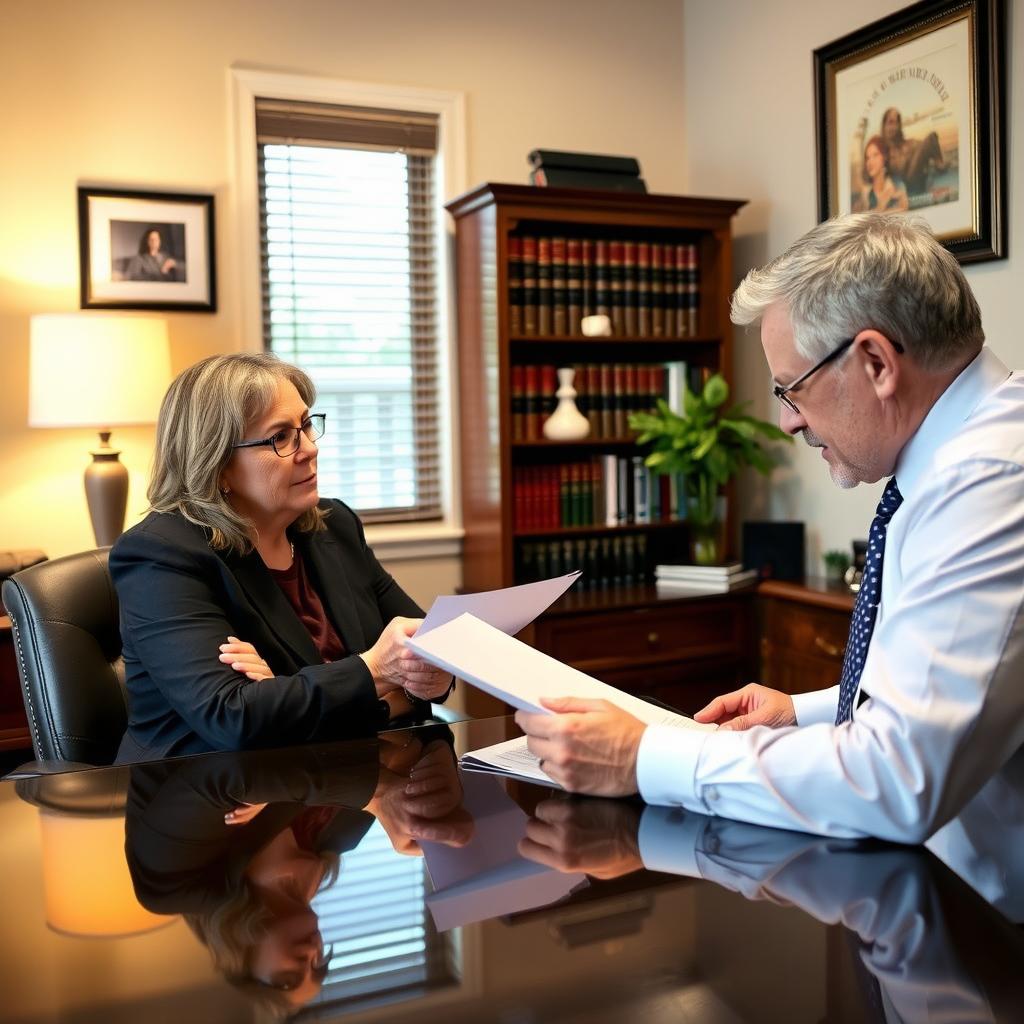
Consular Processing Lawyer Culpeper County
Consular processing is the final step for many green card applicants outside the United States. A Consular Processing Lawyer Culpeper County helps clients prepare for their visa interview at a U.S. embassy or consulate. Law Offices Of SRIS, P.C. —Advocacy Without Borders. provides focused legal support for this critical immigration procedure. (Confirmed by SRIS, P.C.)
Statutory Definition and Legal Framework
Consular processing is governed by the Immigration and Nationality Act (INA) and federal regulations, not Virginia state code. The INA § 221(g) provides authority for consular officers to refuse a visa application. This is a discretionary refusal, not a final denial. The maximum consequence is a permanent bar from U.S. immigration if fraud or misrepresentation is found under INA § 212(a)(6)(C)(i).
This federal process is managed entirely by the U.S. Department of State through its consular posts abroad. While Culpeper County, Virginia is your residence, the legal authority rests with the consular officer at your assigned embassy. The process begins when U.S. Citizenship and Immigration Services (USCIS) approves an immigrant petition and sends the case to the National Visa Center (NVC). After NVC processing, the case is forwarded to the consulate for the final interview. Understanding this chain of command is crucial for a successful application.
Virginia state courts and laws have no jurisdiction over this federal immigration procedure. However, issues arising from your background in Culpeper County, like local criminal records, can directly impact the consular officer’s decision. A Consular Processing Lawyer Culpeper County reviews these local factors within the federal framework. We ensure all Virginia-specific documents are properly obtained and presented to meet federal standards.
What is the legal basis for a consular officer’s decision?
Consular officers have nearly unreviewable discretion under the “doctrine of consular nonreviewability.” Their visa refusals under INA § 221(g) are based on statutory eligibility grounds found in INA § 212. Common grounds include health, criminal, security, or public charge concerns. An officer’s finding is typically final unless new evidence is presented. A lawyer can help frame your case to avoid these grounds for refusal.
How does a Virginia criminal record affect consular processing?
A criminal record from Culpeper County or anywhere in Virginia can trigger a permanent inadmissibility finding. Even minor offenses require proper court documentation and certified dispositions for the interview. Certain crimes involving moral turpitude or controlled substances under Virginia law mandate a formal waiver application (Form I-601). Waiver approval is never assured and requires proving extreme hardship to a qualifying U.S. relative.
What is the difference between a 221(g) refusal and a denial?
A refusal under INA § 221(g) is a temporary hold, often for missing documents or administrative processing. A formal denial is a final finding of inadmissibility under INA § 212(a). The 221(g) refusal leaves the case open, usually for 12 months, allowing you to submit requested evidence. A denial requires a waiver or appeals process, which is more complex and time-consuming. Learn more about Virginia legal services.
The Insider Procedural Edge in Culpeper County
The U.S. District Court for the Western District of Virginia in Charlottesville handles federal immigration matters for Culpeper County residents. This court is located at 255 W. Main St., Charlottesville, VA 22902. While consular processing occurs abroad, federal litigation like mandamus actions to force agency decisions is filed here.
Procedural facts for Culpeper County applicants start at the National Visa Center in Portsmouth, New Hampshire. The NVC creates your case file after USCIS approval. You must pay fees and submit civil documents from Virginia to the NVC before interview scheduling. The local procedural fact is that Culpeper County Circuit Court is the source for certified criminal record checks or marriage licenses needed for your file. Delays in obtaining these Virginia documents are a common bottleneck.
The timeline from NVC case creation to an interview date varies by consulate, often taking 8 to 14 months. The filing fee for an immigrant visa application (Form DS-260) is $325, paid to the U.S. Department of State. Additional fees apply for affidavit of support review and medical examinations. Procedural specifics for Culpeper County are reviewed during a Consultation by appointment at our Culpeper County Location.
Where do I get local documents required for the NVC?
Certified birth certificates for Virginia-born applicants come from the Virginia Department of Health. Marriage certificates from Culpeper County are obtained from the Circuit Court clerk’s Location. Police clearance certificates for Virginia require fingerprinting at a local law enforcement agency. Each document must meet specific translation and certification rules for the U.S. Department of State.
What is the typical wait time for an interview after NVC completion?
Wait times depend on the visa category and consulate workload. For most family-based categories at busy posts, the wait is 6 to 10 months after documentarily qualified status. Employment-based or fiancé(e) visa interviews may be scheduled sooner. The U.S. Department of State’s Visa Bulletin and individual consulate websites publish current wait times. Learn more about criminal defense representation.
Penalties & Defense Strategies
The most common penalty in consular processing is a visa refusal under INA § 221(g), leading to months or years of delay. A formal finding of inadmissibility under INA § 212(a) is the most severe penalty, resulting in a permanent bar.
| Offense / Issue | Penalty / Consequence | Notes |
|---|---|---|
| Misrepresentation (Fraud) | Permanent Inadmissibility | Under INA § 212(a)(6)(C)(i). Waiver possible but difficult. |
| Unlawful Presence > 1 year | 10-Year Bar from U.S. | Triggered by departure after accrual. Waiver (I-601A) available pre-departure. |
| Criminal Inadmissibility | Permanent or Temporary Bar | Depends on Virginia offense. Waiver (Form I-601) required. |
| Public Charge Ground | Visa Refusal | Based on affidavit of support and sponsor’s financials. |
| Health-Related Ground | Visa Refusal or Medical Waiver | For certain communicable diseases or lack of vaccinations. |
[Insider Insight] Consular officers at high-fraud posts scrutinize family-based petitions from Virginia sponsors. They often verify the sponsor’s income against Virginia tax records and look for evidence of a bona fide relationship. Having a lawyer prepare a well-organized evidence packet with clear Virginia documentation can prevent a 221(g) refusal for additional review.
Defense strategies begin long before the interview. We obtain certified Virginia court dispositions for any criminal history. We prepare clients for intense questioning about their background in Culpeper County and their sponsor’s life in Virginia. For potential inadmissibility issues, we explore waiver eligibility early. In cases of prolonged administrative processing, we may initiate a mandamus action in federal court to compel a decision.
What are the financial penalties for consular processing?
Beyond government fees, there are no direct fines. The real cost is in delays, travel expenses for medical exams, and legal fees for waivers. A waiver application (Form I-601) filing fee is $930. The provisional unlawful presence waiver (I-601A) fee is $630. These are paid to USCIS and do not commitment approval.
Can a visa refusal affect future applications?
Yes. A refusal is noted in the Department of State’s permanent records. Future applications require full disclosure of the prior refusal and its cause. A pattern of refusals can lead consular officers to presume fraud or misrepresentation. Properly addressing the initial refusal with legal help is critical to prevent a cascade of future problems. Learn more about DUI defense services.
Why Hire SRIS, P.C. for Consular Processing in Culpeper County
Our lead immigration attorney has over 15 years of experience handling the National Visa Center and consular interview process. We understand the specific documentation challenges faced by residents of Culpeper County, Virginia.
Attorney Background: Our primary immigration counsel has successfully managed hundreds of consular processing cases. This attorney is admitted to practice before the U.S. Court of Appeals for the Fourth Circuit, which governs Virginia. The attorney’s practice focuses on overcoming complex inadmissibility grounds that commonly arise from local Virginia records.
SRIS, P.C. has achieved favorable outcomes in immigration matters for Culpeper County clients. Our differentiator is direct coordination with the National Visa Center and proactive management of the document collection process from Virginia authorities. We prepare clients for the exact line of questioning used at their specific consulate. We do not just fill out forms; we build a legal case for your admissibility.
Our Culpeper County Location provides accessible support for gathering local evidence. We help you obtain certified records from the Culpeper County Circuit Court Clerk. We review your sponsor’s Virginia tax returns and employment verification for the affidavit of support. This localized, detail-oriented approach is what separates successful applications from refused ones.
Localized FAQs for Culpeper County Applicants
Where is the nearest USCIS Location for biometrics from Culpeper County?
The nearest USCIS Application Support Center for fingerprinting is in Fairfax, Virginia. Culpeper County residents receive appointment notices for this location. You must bring your appointment notice and valid photo identification. Learn more about our experienced legal team.
How long does it take to get police clearance from Culpeper County?
The Culpeper County Sheriff’s Location can provide a local police clearance certificate. Processing typically takes 5 to 10 business days. You will need to provide fingerprints and a valid form of identification.
Can I speed up my consular processing interview?
Expedited interviews are rarely granted. You may request one through the National Visa Center or consulate based on severe medical or humanitarian reasons. General urgency or travel plans are not sufficient grounds for expediting.
What if my sponsor lives in Culpeper County but I am abroad?
The sponsor’s location in Culpeper County does not change the consular processing procedure. The interview will be at the U.S. embassy or consulate with jurisdiction over your foreign residence. The sponsor’s Virginia income and assets are evaluated for the affidavit of support.
Do I need a medical exam in Virginia or in my home country?
All immigrant visa applicants must complete a medical exam with a physician approved by the U.S. embassy or consulate abroad. You cannot use a doctor in Virginia for this requirement. The exam must be performed in the country where your interview will take place.
Proximity, CTA & Disclaimer
Our team serves clients throughout Culpeper County, Virginia. While consular processing is a federal matter handled abroad, our legal preparation is grounded in local knowledge. We help you gather the necessary Virginia documents and prepare for the interview from our Virginia-based Location.
Consultation by appointment. Call 888-437-7747. 24/7.
Law Offices Of SRIS, P.C.
Advocacy Without Borders.
Phone: 888-437-7747
Past results do not predict future outcomes.