
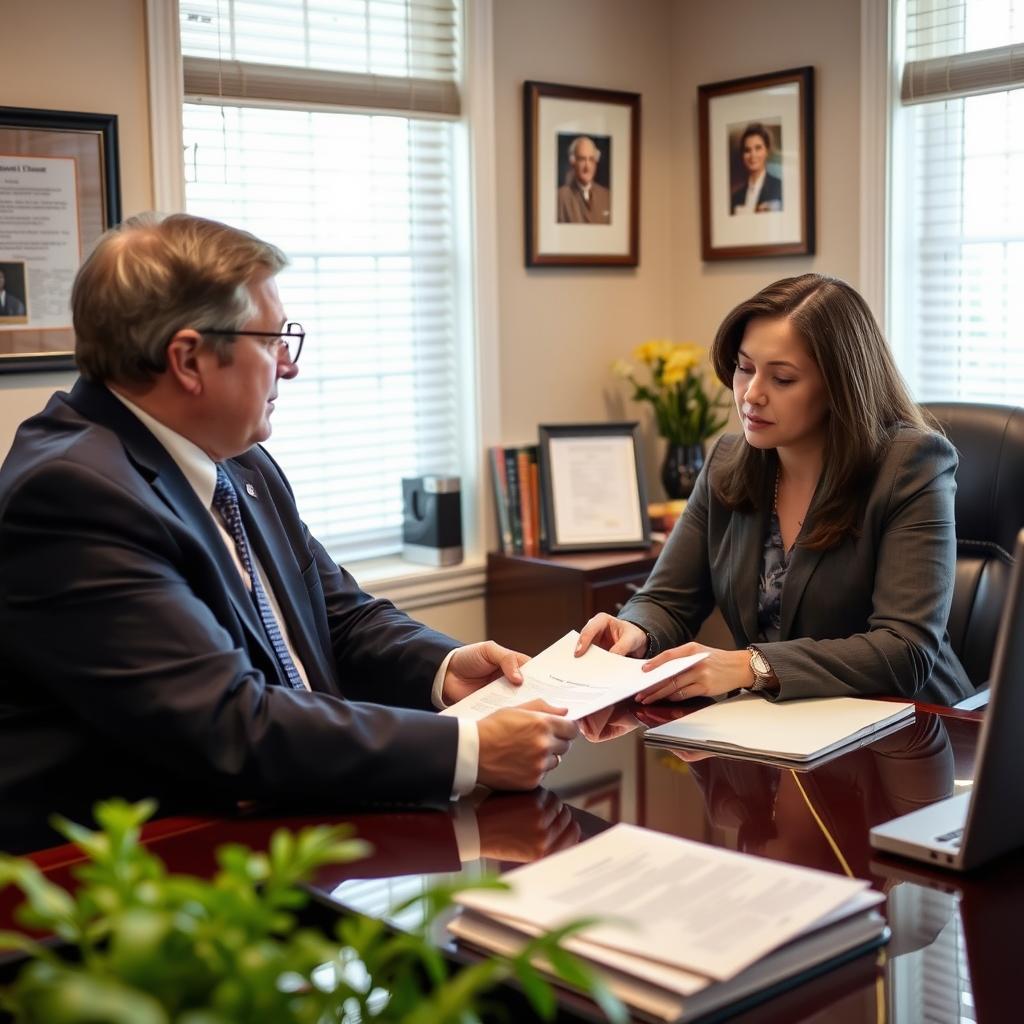
K-3 Spouse Visa Lawyer Spotsylvania County
A K-3 spouse visa lawyer Spotsylvania County can help you bring your foreign spouse to the United States. The K-3 visa is a nonimmigrant visa for the spouse of a U.S. citizen. It allows your spouse to enter the U.S. to await the approval of an immigrant visa petition. Law Offices Of SRIS, P.C.—Advocacy Without Borders. handles these complex immigration cases. (Confirmed by SRIS, P.C.)
Statutory Definition of the K-3 Visa Process
The K-3 spouse visa is governed by the Immigration and Nationality Act (INA) § 101(a)(15)(K). This provision creates a nonimmigrant visa category for the foreign-citizen spouse of a United States citizen. The primary purpose is to reduce family separation during the immigrant visa processing period. It is a procedural bridge, not a permanent status itself. The maximum validity is tied to the pending immigrant petition’s adjudication timeline.
This visa classification was established by the Legal Immigration Family Equity (LIFE) Act. It addresses the lengthy processing times for Form I-130, Petition for Alien Relative. A K-3 visa allows your spouse to live and work in the United States while waiting. The process requires concurrent filings with U.S. Citizenship and Immigration Services (USCIS). You must first file an I-130 petition for your spouse. Then you file Form I-129F, Petition for Alien Fiancé(e), for the K-3 visa. Both petitions must be approved before consular processing can begin.
The K-3 visa process is highly administrative and document-intensive. Any error in the petition or supporting evidence can cause significant delays. USCIS and the Department of State scrutinize the bona fides of the marriage. They require substantial proof of a legitimate marital relationship. A K-3 spouse visa lawyer Spotsylvania County can organize this evidence effectively. They ensure your petitions meet all regulatory standards from the start.
What is the difference between a K-3 visa and a CR-1 visa?
A K-3 visa is a nonimmigrant visa for entry and temporary stay. The CR-1 visa is an immigrant visa granting permanent residence immediately upon entry. The K-3 visa is often pursued when the I-130 petition is delayed. It is a stopgap measure to reunite families faster. However, the K-3 process itself can also experience backlogs. The CR-1 visa leads directly to a green card. The K-3 visa holder must still adjust status after arrival in the U.S. This requires a separate application and additional fees.
What are the basic eligibility requirements for a K-3 visa?
You must be a U.S. citizen legally married to a foreign national. The marriage must be legally valid where it was performed. You must have a pending I-130 petition filed with USCIS. Your spouse must be outside the United States at the time of application. You and your spouse must intend to establish a life together in the U.S. There must be no legal impediments to the marriage or immigration. Adjudicators will look for proof of a genuine marital relationship.
Can a K-3 visa holder work in the United States?
A K-3 visa holder can apply for work authorization after arriving in the U.S. They must file Form I-765, Application for Employment Authorization. This is a separate process from the visa itself. Approval is not automatic and can take several months. It is critical to plan for financial support during this waiting period. Having a K-3 spouse visa lawyer Spotsylvania County manage these sequential filings prevents gaps in legal status. Learn more about Virginia legal services.
The Insider Procedural Edge in Spotsylvania County
While immigration is federal, your local counsel’s knowledge of regional USCIS Locations matters. Cases from Spotsylvania County are typically processed through the USCIS Potomac Service Center or the National Benefits Center. Procedural specifics for Spotsylvania County are reviewed during a Consultation by appointment at our Virginia Location.
The procedural timeline is the critical factor in a K-3 visa case. Current USCIS processing times for I-129F petitions exceed 12 months in many cases. The I-130 petition processing can take just as long or longer. These timelines are estimates and change frequently. After USCIS approval, the case moves to the National Visa Center (NVC). The NVC stage involves submitting civil documents and financial forms. Finally, the case goes to the U.S. Embassy or Consulate in your spouse’s home country. An interview is scheduled there.
Filing fees are set by federal regulation, not local courts. The current fee for Form I-129F is $675. The fee for Form I-130 is $625. These fees are subject to change by USCIS without notice. Additional costs include medical exams, translation fees, and travel expenses. Missing a single deadline or payment can reset the entire timeline. A lawyer ensures all fees are paid correctly and on time.
What is the typical timeline for a K-3 visa from start to finish?
The total timeline often ranges from 18 to 24 months or more. USCIS petition adjudication is the most variable phase. Consular processing after USCIS approval can take another 4 to 6 months. This depends on the embassy’s backlog and interview scheduling. Requests for Evidence (RFEs) can add 3 to 6 months of delay. A well-prepared petition from the outset is the best way to avoid RFEs.
What happens during the consular interview for the K-3 visa?
The consular officer will verify the marriage’s legitimacy and eligibility. Your spouse must bring all original civil documents to the interview. This includes marriage certificates, passports, police certificates, and medical exams. The officer will ask questions about your relationship history and future plans. Inconsistent answers or missing documents can lead to a visa denial. Preparation with an attorney who understands the process is essential. Learn more about criminal defense representation.
Penalties, Delays & Defense Strategies for K-3 Petitions
The most common penalty for a flawed K-3 petition is a lengthy request for evidence or denial. A denial forces you to restart the process, losing years and thousands of dollars.
| Issue | Consequence | Notes |
|---|---|---|
| Insufficient Proof of Bona Fide Marriage | Request for Evidence (RFE) or Denial | USCIS requires extensive joint evidence. |
| Inadequate Financial Support (I-864) | Visa Denial at Consulate | The sponsor must meet 125% of the Federal Poverty Guidelines. |
| Misrepresentation or Fraud | Visa Denial with Possible Permanent Bar | Even innocent omissions can be deemed fraudulent. |
| Overstay or Status Violation by Petitioner | Petition Ineligibility | The U.S. citizen petitioner must maintain lawful status. |
| Criminal History of Beneficiary | Visa Inadmissibility | Certain crimes make a beneficiary permanently inadmissible. |
[Insider Insight] USCIS and consular officers are trained to identify marriage fraud. Petitions from regions with high fraud rates receive extra scrutiny. Officers look for red flags like large age gaps, no common language, or brief courtships. A strong petition proactively addresses these potential concerns with documented evidence.
Defense strategy begins with the initial petition assembly. We gather years of relationship evidence, not just the marriage certificate. This includes photos, travel records, communication logs, and joint financial accounts. We prepare affidavits from friends and family who know the couple. We ensure the Affidavit of Support (I-864) has ample financial proof. If an RFE arrives, we treat it as a critical deadline. We craft a thorough, targeted response that satisfies the officer’s specific concerns.
What are the financial requirements for sponsoring a K-3 visa spouse?
The sponsor must demonstrate income at 125% of the Federal Poverty Guidelines. This is based on household size. If income is insufficient, assets or a joint sponsor can be used. The requirement is legally binding until the immigrant becomes a citizen or works 40 quarters. The Form I-864, Affidavit of Support, is a legally enforceable contract with the U.S. government.
Can a prior immigration violation affect a K-3 visa application?
Yes, prior violations by either party can cause major problems. Unlawful presence by the beneficiary can trigger 3 or 10-year bars. A prior deportation or removal order requires a separate waiver application. Any prior misrepresentation to a government official can result in a permanent bar. These issues must be identified and addressed before filing the petition. Learn more about DUI defense services.
Why Hire SRIS, P.C. for Your Spotsylvania County K-3 Visa Case
Our lead immigration attorney has over a decade of focused experience handling USCIS procedures.
Attorney Background: Our senior immigration counsel has successfully filed hundreds of family-based petitions. This attorney has specific experience with the unique procedural hurdles of the K-3 visa process. They understand the interplay between the I-130 and I-129F petitions. They know how to document relationships to satisfy skeptical adjudicators.
SRIS, P.C. has a track record of managing complex immigration cases in Virginia. We assign a dedicated legal team to each client’s case. We handle all communication with USCIS, the NVC, and the embassy. We prepare clients thoroughly for consular interviews. Our goal is to anticipate problems before they arise. We build a complete evidence package that tells the authentic story of your marriage. This proactive approach is what separates successful petitions from denied ones.
We are a Virginia-based firm with a deep understanding of local filing trends. We know which service centers handle Spotsylvania County cases. We monitor processing time fluctuations at these centers. Our systematic approach ensures no form is missed and no deadline is overlooked. Your case is not just another file; it is your family’s future.
Localized K-3 Visa FAQs for Spotsylvania County Residents
Where do I file my K-3 visa petition from Spotsylvania County?
You file Form I-129F with the USCIS Dallas Lockbox facility. The mailing address depends on your delivery service. The initial I-130 petition is also filed with a USCIS lockbox. Procedural specifics are confirmed during a Consultation by appointment. Learn more about our experienced legal team.
How long does USCIS take to approve a K-3 visa petition?
USCIS processing times for Form I-129F currently average over 12 months. The I-130 petition processing can take a similar amount of time. These are estimates and can change based on agency backlogs.
Can my spouse on a K-3 visa travel outside the United States?
Yes, but they must apply for advance parole before leaving. This is done by filing Form I-131. Travel without approved advance parole may abandon the adjustment of status application.
What happens if my I-130 is approved before the K-3 visa?
The K-3 visa process may be terminated. Your spouse would then pursue an immigrant visa (CR-1) through consular processing. This is a common occurrence due to processing time variability.
What evidence proves a bona fide marriage for a K-3 visa?
Evidence includes joint leases, bank accounts, insurance policies, and utility bills. Photos from the wedding and time spent together are crucial. Affidavits from friends and family also support the petition’s legitimacy.
Proximity, Contact, and Critical Next Steps
Our Virginia Location serves clients throughout Spotsylvania County. We are accessible for consultations to discuss your spousal immigration case. Consultation by appointment. Call 24/7. Our team is ready to evaluate your specific situation with the spouse of a U.S. citizen. We will explain the K-3 visa process, requirements, and potential strategies. Do not handle this complex federal process alone. Incomplete or incorrect petitions lead to years of delay and family separation. Contact a K-3 spouse visa lawyer Spotsylvania County at SRIS, P.C. today to begin.
Law Offices Of SRIS, P.C.—Advocacy Without Borders.
Phone: [PHONE NUMBER FROM GMB]
Address: [VIRGINIA LOCATION ADDRESS FROM GMB]
Past results do not predict future outcomes.