
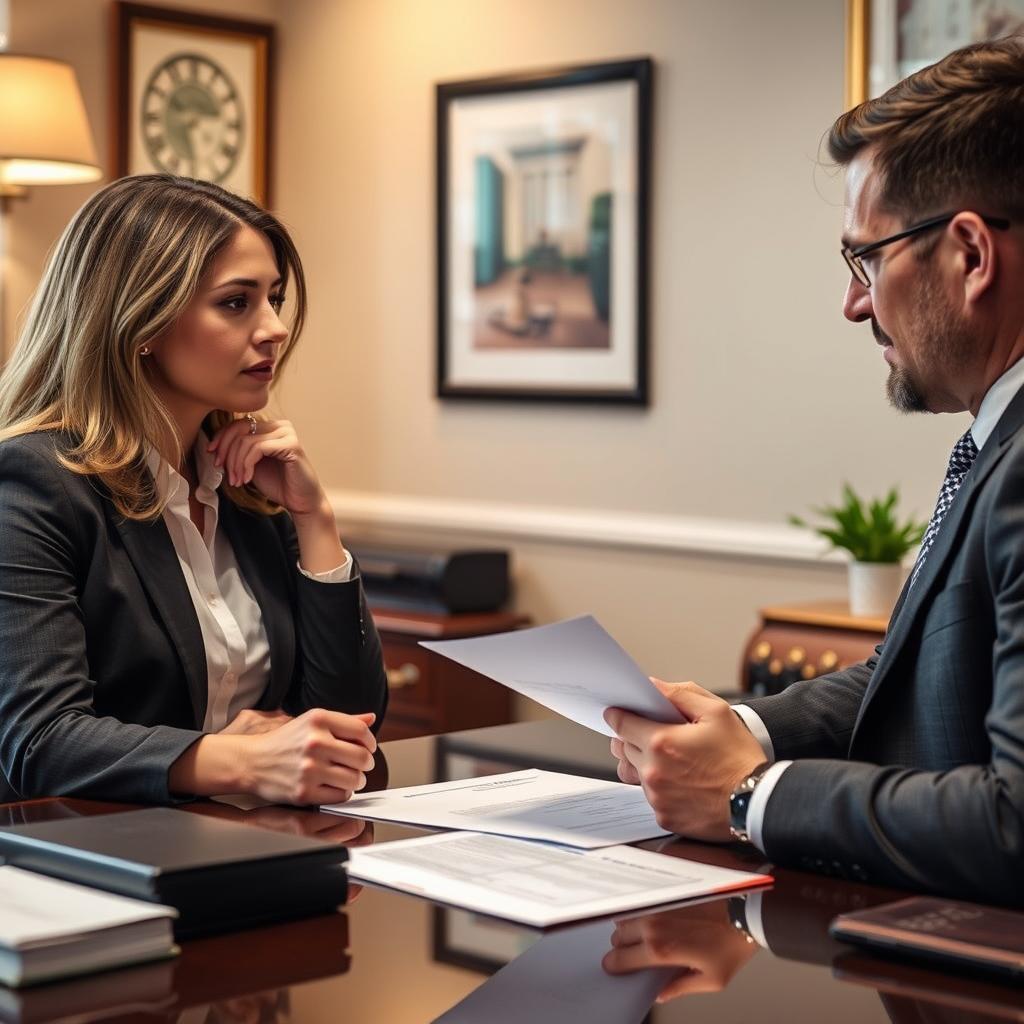
Fiancé Visa Lawyer Rockingham County
You need a Fiancé Visa Lawyer Rockingham County to handle the K-1 visa process. The Law Offices Of SRIS, P.C. —Advocacy Without Borders. can guide you through the complex petition and consular interview stages. Our team understands the specific requirements for Rockingham County residents filing with USCIS. We work to avoid delays and denials in your immigration case. (Confirmed by SRIS, P.C.)
Statutory Definition of the K-1 Fiancé Visa Process
The K-1 fiancé visa is governed by the Immigration and Nationality Act (INA) Section 101(a)(15)(K). This nonimmigrant visa classification allows a foreign-citizen fiancé(e) to enter the United States to marry a U.S. citizen petitioner. The process is a two-step petition and visa application requiring strict adherence to federal law. The U.S. citizen must first file Form I-129F, Petition for Alien Fiancé(e), with U.S. Citizenship and Immigration Services (USCIS). Approval of this petition does not grant a visa. It merely allows the foreign fiancé to apply for the K-1 visa at a U.S. embassy or consulate abroad. The entire process is designed to support marriage within 90 days of the fiancé’s entry into the United States. After marriage, the foreign spouse must apply for adjustment of status to become a lawful permanent resident. Failure to marry within the 90-day window results in the fiancé being out of status. They become subject to removal proceedings under U.S. immigration law.
INA § 101(a)(15)(K) — Nonimmigrant Classification — Allows entry for 90 days to marry a U.S. citizen petitioner.
This legal framework imposes several eligibility requirements on both parties. The U.S. citizen petitioner and foreign-citizen fiancé(e) must have met in person within the two years prior to filing the petition. Certain waivers of this meeting requirement are possible but difficult to obtain. Both parties must also be legally free to marry, meaning any prior marriages must be legally terminated. The petitioner must demonstrate the financial ability to support the fiancé(e) through an Affidavit of Support. This is to prevent the beneficiary from becoming a public charge after arrival. The process is intensely document-driven and scrutinized for evidence of a bona fide relationship. USCIS and consular officers look for proof of a genuine intent to establish a life together.
The I-129F Petition is the Critical First Legal Hurdle.
Form I-129F requires detailed evidence of a qualifying relationship and eligibility. You must submit proof of U.S. citizenship for the petitioner. You must include evidence you have met in person within the last two years. This evidence can include passport stamps, photographs, and travel itineraries. You must also provide statements of intent to marry from both parties. The petition must be filed with the correct USCIS lockbox facility and fee. Errors or insufficient evidence at this stage cause significant delays or a Request for Evidence (RFE). A denial at the petition stage ends the entire K-1 visa process.
Consular Processing is the Final Adjudication Point.
The approved petition is sent to the National Visa Center (NVC) and then to the appropriate U.S. embassy. The foreign fiancé must then complete Form DS-160 and schedule a medical examination. They must attend a visa interview at the U.S. embassy or consulate in their home country. A consular officer will determine if the beneficiary is eligible for the K-1 visa. The officer assesses the legitimacy of the relationship and checks for any visa ineligibilities. Common grounds for denial include fraud, criminal history, or health-related issues. An experienced Virginia immigration law attorney can help prepare for this interview.
Adjustment of Status is the Mandatory Final Step.
The K-1 visa holder must marry the U.S. citizen petitioner within 90 days of entry. After marriage, they must file Form I-485 to apply for a green card. This application includes another medical exam and biometrics appointment. They must also file for employment authorization and advance parole while the application is pending. Failure to file for adjustment of status leaves the individual without lawful status. They become deportable and lose work authorization. This step is separate from the K-1 process but is its required conclusion.
The Insider Procedural Edge in Rockingham County
While K-1 visa petitions are filed federally, local procedural knowledge in Rockingham County matters for supporting evidence and client preparation. SRIS, P.C. understands the local context that can strengthen a fiancé visa case. Procedural specifics for Rockingham County are reviewed during a Consultation by appointment at our Virginia Location.
Local Evidence Gathering Strengthens Your Petition.
Evidence of a bona fide relationship often includes local documentation from Rockingham County. This can include joint leases or property records from the Rockingham County Circuit Court clerk’s Location. Photographs taken at local landmarks like Grand Caverns or Massanutten Resort provide context. Receipts from local vendors or businesses demonstrate time spent together in the community. Correspondence with local postmarks can help establish a timeline of the relationship. This localized evidence adds concrete, verifiable detail to your petition package.
Understanding Local USCIS Jurisdiction is Key.
Petitions from Rockingham County are typically filed with the USCIS Dallas Lockbox facility. The initial adjudication may be handled by the California or Vermont Service Center. After petition approval, the case moves to the National Visa Center in Portsmouth, New Hampshire. The final interview occurs at the U.S. embassy in the foreign fiancé’s home country. Knowing this pipeline helps manage expectations and track case progress accurately. Delays at any stage require specific follow-up procedures.
Preparation for the Local Adjustment of Status Phase.
After marriage in Rockingham County, the adjustment of status application is filed with USCIS. The marriage certificate is issued by the Rockingham County Circuit Court. The subsequent biometrics appointment will likely be at the USCIS Application Support Center in Harrisonburg or a nearby jurisdiction. The final green card interview may be scheduled at the local USCIS field Location with jurisdiction. Understanding the local Locations involved in the final stage prevents logistical errors.
Penalties for Missteps & Defense Strategies
The most common penalty for a K-1 visa misstep is a denial of the petition or visa application. This results in lost time, filing fees, and significant emotional distress. A denial can also lead to a finding of fraud or misrepresentation. Such a finding carries a permanent bar from future U.S. immigration benefits. Strategic legal defense focuses on careful preparation and proactive issue resolution.
| Offense / Issue | Penalty / Consequence | Notes |
|---|---|---|
| Petition Denial (I-129F) | Loss of filing fee ($535); Case closure; Must refile. | Often due to insufficient evidence or failure to prove meeting. |
| Visa Denial at Consulate | Petition sent back to USCIS; May be revoked; Long delays. | Common grounds: fraud, criminal history, public charge concerns. |
| Failure to Marry Within 90 Days | Out of status; Subject to removal; Ineligible for adjustment. | Must depart U.S. immediately or face deportation proceedings. |
| Finding of Fraud or Willful Misrepresentation | Permanent ineligibility for any U.S. visa (INA § 212(a)(6)(C)(i)). | Extremely difficult waiver process; requires extreme hardship to U.S. citizen. |
| Public Charge Ground of Inadmissibility | Visa denial; Must find a joint sponsor or provide additional assets. | Based on the petitioner’s income relative to the Federal Poverty Guidelines. |
[Insider Insight] Consular officers at high-fraud posts scrutinize K-1 applications intensely. They look for inconsistencies in relationship timelines and evidence. Petitions involving beneficiaries from certain countries face higher evidentiary burdens. Presenting a clear, consistent, and well-documented story is the best defense against skepticism. An attorney can help anticipate and address these concerns before the interview.
A Request for Evidence (RFE) is a Critical Crossroad.
USCIS issues an RFE when initial evidence is missing or insufficient. You typically have 30 to 90 days to respond with the requested evidence. The response must directly and fully address each point in the RFE notice. Failure to respond or an inadequate response leads to a denial of the petition. An attorney can draft a targeted response that satisfies the officer’s concerns. This often involves gathering additional documentary proof from Rockingham County and elsewhere.
handling Criminal or Prior Immigration History.
A foreign fiancé’s criminal record can make them inadmissible to the United States. Certain crimes require a waiver of inadmissibility before a visa can be issued. Prior immigration violations, like overstaying a visa, also create complications. These issues must be disclosed and addressed proactively in the application. Attempting to hide this history commitments a denial and a potential fraud finding. Legal counsel is essential to handle waiver applications for these complex cases.
The Affidavit of Support Requires Careful Financial Documentation.
The U.S. citizen petitioner must prove income at least 100% of the Federal Poverty Guidelines. This is proven through tax returns, W-2s, and recent pay stubs. If the petitioner’s income is insufficient, a joint sponsor who meets the requirements is needed. The joint sponsor must be a U.S. citizen or lawful permanent resident. They assume full legal financial responsibility for the immigrant. Proper preparation of Form I-864 is technical and mistakes can lead to denial.
Why Hire SRIS, P.C. for Your Fiancé Visa Case
Our lead immigration attorney has over a decade of experience handling family-based petitions, including complex K-1 cases. We apply a detail-oriented, proactive approach to build the strongest possible application from the start. SRIS, P.C. has successfully guided numerous Rockingham County residents through the fiancé visa process.
Attorney Background: Our immigration team includes attorneys skilled in the precise documentation required by USCIS and consular posts. We understand the unique pressures and timelines facing couples in Rockingham County. We focus on creating a complete, coherent petition that withstands scrutiny.
Our firm differentiator is direct attorney involvement in case preparation and strategy. We do not delegate critical evidence review to paralegals. We personally analyze every document and statement for consistency and strength. We prepare clients thoroughly for the high-stakes consular interview. We anticipate potential issues with criminal history, prior marriages, or income requirements. We develop strategies to address these issues before they become reasons for denial. Our goal is a smooth, predictable process so you can focus on your future together.
We serve clients across Virginia from our central Location. Our experience with family-based immigration law in Virginia provides a broad perspective. We know how local factors in Rockingham County can impact a national immigration case. We are committed to providing clear, direct advice without unrealistic promises. We explain the law, the process, and the likely outcomes based on your specific facts.
Localized FAQs for Rockingham County Fiancé Visa Cases
How long does the K-1 visa process take for someone in Rockingham County?
The entire process from filing the I-129F to visa issuance typically takes 12 to 18 months. USCIS processing alone can take 10-13 months. Rockingham County petitioners should plan for this lengthy timeline before filing.
Where do I file the I-129F petition from Rockingham County?
You file Form I-129F by mail to the USCIS Dallas Lockbox address. The filing address is based on your state and the service you use, not your specific county.
Can we get married in Rockingham County on a K-1 visa?
Yes. After entering the U.S. on the K-1 visa, you must marry within 90 days. You can obtain a marriage license from the Rockingham County Circuit Court Clerk.
What if my fiancé has a minor criminal record from another country?
You must disclose all records. Some offenses cause inadmissibility. An attorney can assess if a waiver is needed and guide you through that additional process.
What evidence proves we met in person for the Rockingham County petition?
Use passport stamps, airline tickets, hotel receipts, and photographs. Evidence showing you together in Rockingham County or other locations is strong proof.
Proximity, CTA & Disclaimer
Our Virginia Location serves clients throughout Rockingham County, including Harrisonburg, Bridgewater, and Dayton. While we are centrally located to serve the state, we provide dedicated representation for Rockingham County residents. Consultation by appointment. Call 24/7 to discuss your fiancé visa case with our team.
Law Offices Of SRIS, P.C.—Advocacy Without Borders.
Phone: [PHONE NUMBER FROM GMB]
Address: [MAIN Location ADDRESS FROM GMB]
We help clients with K-1 fiancé visa applications, adjustment of status, and related immigration matters. Our experience with U.S. visa law in Virginia is a resource for your case. Do not face this complex process alone. Contact SRIS, P.C. for direct legal guidance.
Past results do not predict future outcomes.