
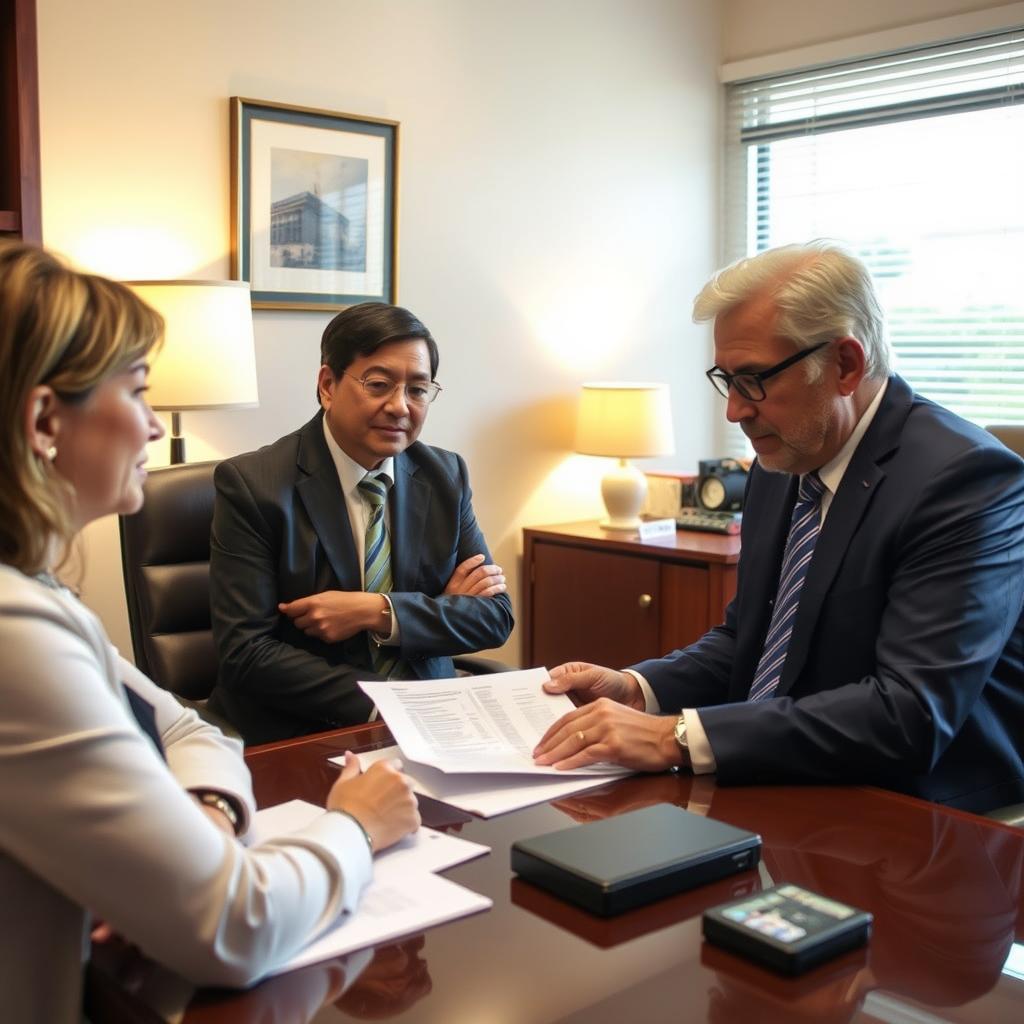
Fiancé Visa Lawyer Suffolk
You need a Fiancé Visa Lawyer Suffolk to file a K-1 visa petition for your foreign fiancé. The process involves strict USCIS forms, financial proof, and an embassy interview. Law Offices Of SRIS, P.C.—Advocacy Without Borders. handles these cases from Suffolk. We prepare your petition to avoid delays or denials. Our Suffolk Location manages the entire immigration process for you. (Confirmed by SRIS, P.C.)
Statutory Definition of the K-1 Fiancé Visa
The K-1 nonimmigrant visa is authorized under the Immigration and Nationality Act (INA) Section 101(a)(15)(K). This statute classifies the K-1 as a temporary visa for a foreign-citizen fiancé of a U.S. citizen. The sole purpose is to allow the fiancé to enter the United States for a 90-day period to marry the petitioner. Failure to marry within 90 days results in the beneficiary’s loss of status and requirement to depart. The maximum penalty for visa fraud in this process is severe, including permanent inadmissibility and potential criminal charges.
The legal foundation is INA §214(d), which outlines the petition process. A U.S. citizen petitioner must file Form I-129F, Petition for Alien Fiancé(e), with U.S. Citizenship and Immigration Services (USCIS). This is the first critical step a Fiancé Visa Lawyer Suffolk handles. Approval does not grant a visa; it allows the foreign fiancé to apply at a U.S. consulate. The entire procedure is governed by federal law, not Virginia state code. State laws only affect the marriage license you obtain after the fiancé arrives.
Eligibility hinges on several statutory requirements. Both parties must be legally free to marry. This means any prior marriages must be legally terminated by divorce or death. The couple must have met in person at least once within the two years before filing the petition. USCIS can grant a waiver for this meeting requirement only in extreme circumstances. The petitioner must also meet specific income requirements under the INA to sponsor the fiancé.
The I-129F petition is the formal request to classify your fiancé as a K-1 beneficiary.
This form requires detailed biographical information for both parties. You must provide evidence of your U.S. citizenship, like a birth certificate or passport. You must also submit proof of your relationship and meeting. A Fiancé Visa Lawyer Suffolk compiles photos, travel records, and correspondence. The petition includes a statement of intent to marry within 90 days of the fiancé’s entry. Incomplete or incorrect petitions are a primary cause of requests for evidence (RFE) or denial.
Financial sponsorship requires Form I-134, Affidavit of Support.
This is a legally binding contract between the sponsor and the U.S. government. The petitioner must demonstrate income at or above 100% of the Federal Poverty Guidelines. If income is insufficient, a joint sponsor who meets the requirements can be used. Assets can sometimes be used to supplement income. The affidavit proves the fiancé will not become a public charge after arrival.
Visa fraud carries severe penalties under federal law.
Misrepresenting a material fact on an immigration form is grounds for denial. It can also lead to a finding of fraud or willful misrepresentation under INA §212(a)(6)(C)(i). This finding results in a permanent bar from receiving any U.S. visa or green card. Criminal penalties for marriage fraud include fines and up to five years in prison. A Suffolk K-1 fiance visa application lawyer ensures all submitted information is truthful and verifiable. Learn more about Virginia legal services.
The Insider Procedural Edge in Suffolk
While immigration is federal, your Suffolk Fiancé Visa Lawyer manages the local logistics. USCIS and the Department of State handle the main process. However, local procedural knowledge is critical for document preparation and interview readiness. Your lawyer coordinates with the nearest USCIS field Locations and the appropriate U.S. embassy. Procedural specifics for Suffolk are reviewed during a Consultation by appointment at our Suffolk Location.
The process follows a strict, multi-agency timeline. It begins with filing the I-129F petition with the USCIS California or Texas Service Center. After USCIS approval, the file moves to the National Visa Center (NVC) in New Hampshire. The NVC then forwards it to the U.S. embassy in your fiancé’s home country. The embassy schedules the medical exam and the final visa interview. A Suffolk fiance immigration petition lawyer tracks this entire pipeline to prevent delays.
Required documentation must be carefully organized. This includes birth certificates, passport copies, divorce decrees, and police certificates. All foreign-language documents must have a certified English translation. The petitioner must obtain proof of ongoing relationship evidence throughout the process. Suffolk residents must ensure their own documents, like proof of domicile, are in order. Missing or improper documentation is the most common reason for consular delays.
The consular interview is the final and most critical step.
The foreign fiancé must attend this interview at the designated U.S. embassy or consulate. A consular officer will verify the relationship’s legitimacy and the applicant’s eligibility. They will review all original documents submitted with the petition. The officer has broad discretion to approve the visa or request additional evidence. Thorough preparation with a lawyer is essential for this high-stakes meeting.
After visa approval, entry to the U.S. triggers the 90-day marriage clock.
The K-1 visa is typically valid for a single entry within six months of issuance. Upon arrival, U.S. Customs and Border Protection (CBP) inspects the fiancé at the port of entry. The officer will create an I-94 arrival record noting the K-1 status. The couple must marry within 90 days of the date stamped on the I-94. Failure to marry in time invalidates the fiancé’s legal status immediately. Learn more about criminal defense representation.
Adjustment of Status is the separate process to get a green card after marriage.
After a legal marriage in Virginia, the couple files Form I-485 with USCIS. This is a separate application from the initial K-1 petition. It requires another medical exam, more forms, and additional fees. The conditional green card received is valid for two years. A Fiancé Visa Lawyer Suffolk can manage this subsequent process as well.
Penalties & Defense Strategies for K-1 Visa Issues
The most common penalty for a K-1 visa issue is a request for evidence (RFE) or a denial. USCIS or the consulate issues an RFE when they need more information to make a decision. You typically have 30 to 90 days to respond with the requested evidence. A denial means the petition or application is rejected outright. A denial often requires filing a new petition or appealing the decision, causing significant delays.
| Offense / Issue | Penalty / Consequence | Notes |
|---|---|---|
| Insufficient Proof of Relationship | Request for Evidence (RFE) or Denial | USCIS requires concrete evidence like photos, travel itineraries, and communication logs. |
| Failure to Meet Financial Requirements | Petition Denial | Income must meet 100% of Federal Poverty Guidelines for household size. |
| Misrepresentation or Fraud | Permanent Visa Inadmissibility | Under INA §212(a)(6)(C); extremely difficult to overcome. |
| Failure to Marry Within 90 Days of Entry | Loss of Status; Removal Proceedings | The beneficiary accrues unlawful presence and must depart the U.S. |
| Prior Immigration Violations | Petition Denial or Visa Refusal | Includes prior overstays, deportations, or unauthorized work. |
[Insider Insight] Consular officers at high-fraud posts scrutinize relationship evidence intensely. They look for inconsistencies in the couple’s story and knowledge of each other. Petitions for beneficiaries from certain countries face higher scrutiny. A Suffolk K-1 fiance visa application lawyer prepares clients for this reality. We conduct mock interviews and ensure evidence tells a consistent, chronological story.
A strong defense strategy is proactive and evidence-based. The initial petition must be over-prepared, not just meeting the minimum requirements. We gather extensive documentation of the relationship from its inception. We ensure the financial affidavit is flawless and includes all necessary tax transcripts. We identify and address any potential “red flags” in the cover letter accompanying the petition. This includes explaining large age gaps, different religious backgrounds, or short courtships.
Responding to a Request for Evidence (RFE) requires a targeted, complete response.
Do not ignore the deadline; it is a firm cutoff. The response should directly and fully address each item the RFE lists. Submit additional original evidence, not just copies of what was already sent. Include a detailed cover letter that maps each piece of new evidence to the RFE question. A Suffolk fiance immigration petition lawyer handles RFE responses to maximize the chance of approval. Learn more about DUI defense services.
Overcoming a prior denial often requires a new petition.
You must understand the exact reason for the denial stated in the notice. A new petition must directly rectify the deficiency that caused the first denial. It may require waiting for circumstances to change, like increased income. Simply resubmitting the same petition with no changes will lead to another denial. Legal strategy is critical after a denial to avoid a pattern of negative decisions.
Why Hire SRIS, P.C. for Your Suffolk Fiancé Visa Case
Our lead immigration attorney has over a decade of experience handling family-based petitions. This includes hundreds of I-129F petitions and adjustment of status applications. We know the specific evidence officers at different consulates expect to see. We understand the common pitfalls that delay or derail K-1 visa cases. Our goal is to get your fiancé to Suffolk with minimal stress and delay.
Primary Attorney: The SRIS, P.C. immigration team is led by attorneys with direct experience in Virginia’s immigration area. Our lawyers are familiar with the documentation standards required by local USCIS Locations. We have managed cases for Suffolk residents through every step of the K-1 process. We provide clear, direct advice on the strength of your case and the required evidence.
SRIS, P.C. provides advocacy without borders from our Suffolk Location. We manage the entire process, from drafting the initial I-129F petition to preparing for the consular interview. We prepare you and your fiancé for the questions you will face. We ensure all forms are completed accurately to avoid simple, costly errors. We communicate directly with you, not through paralegals, about your case status.
Our approach is based on preparation and precision. We do not cut corners or use generic templates for your petition. Each case is built from the ground up with your unique relationship story. We advise on the timing of the petition based on your specific circumstances. We help you gather and organize the proof of relationship and financial documents. Hiring a Fiancé Visa Lawyer Suffolk from our firm means having a dedicated advocate. Learn more about our experienced legal team.
Localized FAQs for Suffolk Fiancé Visa Cases
How long does the K-1 visa process take for someone in Suffolk?
The entire process from filing to visa issuance typically takes 9 to 15 months. USCIS processing is 6-10 months. Consular processing adds 2-5 months. Timelines vary based on embassy workload and case complexity. Consult a lawyer for a current estimate.
What income do I need to sponsor my fiancé in Suffolk?
You must meet 100% of the Federal Poverty Guidelines for your household size. For a couple with no children, the 2024 minimum is $25,550 annual income. You prove this with tax returns, W-2s, and recent pay stubs. A joint sponsor can be used if your income is insufficient.
Can my fiancé work in Suffolk after arriving on a K-1 visa?
Not immediately. They must apply for work authorization after filing for Adjustment of Status. This is done by filing Form I-765 with the green card application. Work permission typically takes 6-9 months after filing. They cannot work until they receive the Employment Authorization Document (EAD).
Where do we get married in Virginia on a K-1 visa?
You obtain a marriage license from any Virginia circuit court clerk’s Location. The Suffolk Circuit Court clerk’s Location can issue the license. The marriage must be performed by an authorized officiant within 60 days of the license. The marriage must occur within 90 days of your fiancé’s U.S. entry.
What happens if our K-1 visa is denied at the embassy?
The consular officer will provide a reason for the refusal under immigration law. You may be able to overcome the refusal with additional evidence. Often, you must restart the process with a new I-129F petition. A lawyer can review the denial reason and advise on the best next step.
Proximity, CTA & Disclaimer
Our Suffolk Location serves clients throughout the city and surrounding areas. We are accessible for Suffolk residents managing the K-1 visa process. Procedural specifics for your case are reviewed during a Consultation by appointment. Call our team 24/7 to discuss your fiancé visa needs with a Suffolk Fiancé Visa Lawyer.
Consultation by appointment. Call 888-437-7747. 24/7.
Law Offices Of SRIS, P.C. —Advocacy Without Borders.
Suffolk, VA
Past results do not predict future outcomes.