
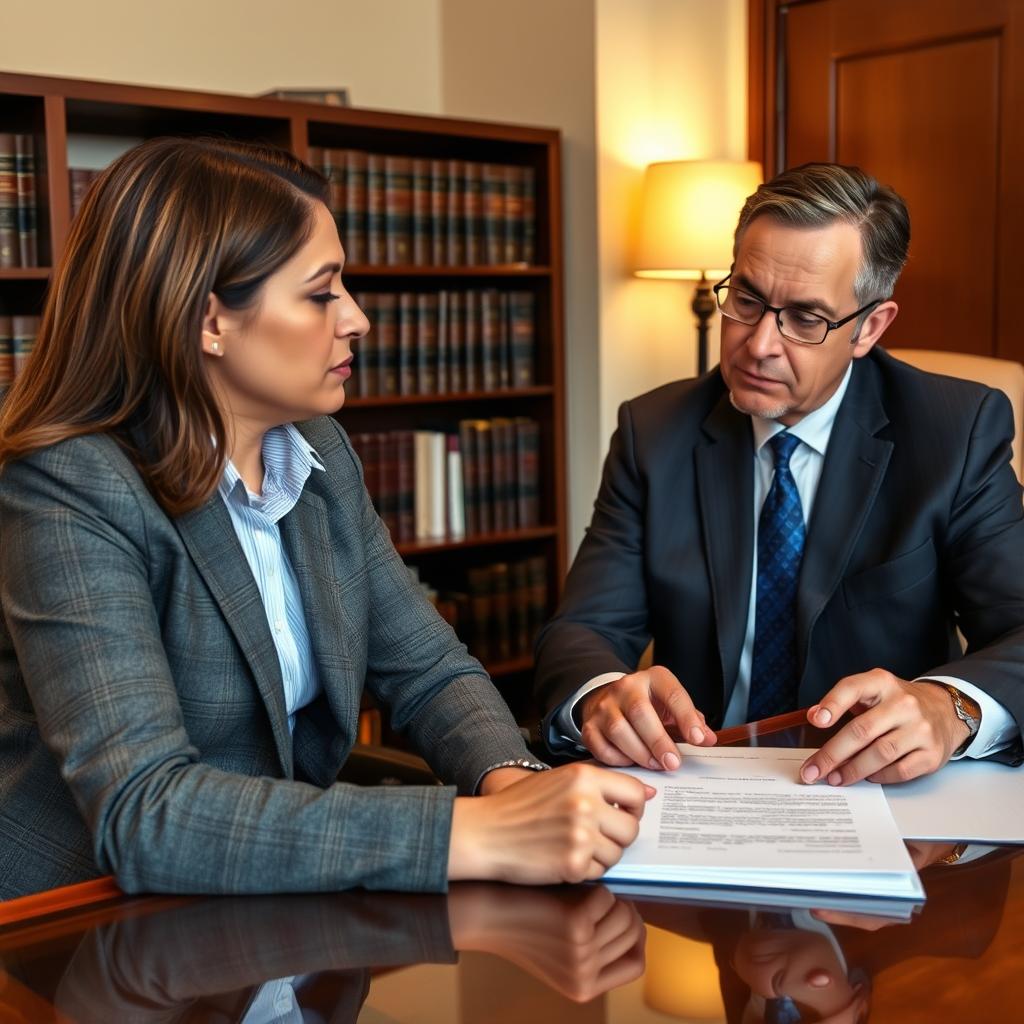
Spouse Visa Lawyer Madison County
You need a Spouse Visa Lawyer Madison County to file a marriage-based green card petition. The process involves proving a bona fide marriage to U.S. Citizenship and Immigration Services (USCIS). Law Offices Of SRIS, P.C.—Advocacy Without Borders. handles these cases in Madison County, New York. We prepare Form I-130 and the adjustment of status package. (Confirmed by SRIS, P.C.)
Statutory Definition of Marriage-Based Immigration
The legal basis for a spouse visa is the Immigration and Nationality Act (INA) § 201(b)(2)(A)(i). This statute provides immediate relative status for the spouse of a U.S. citizen. There is no annual cap on these visas. The primary legal requirement is proving a valid, bona fide marriage. The burden of proof rests entirely on the petitioner and beneficiary. You must demonstrate the marriage was not entered into for immigration purposes. USCIS scrutinizes every detail of the relationship and shared life.
INA § 201(b) — Immediate Relative Classification — No Numerical Limitation. The spouse of a United States citizen is classified as an “immediate relative.” This classification is not subject to annual visa quotas. It allows for direct filing of an immigrant visa petition (Form I-130) and, if the spouse is in the U.S., a concurrent application for adjustment of status (Form I-485). The key statutory requirement is a legally valid marriage under the law of the place where it was celebrated. The marriage must be genuine and continuing.
Procedural specifics for Madison County are reviewed during a Consultation by appointment at our Madison County Location. The process starts with filing Form I-130, Petition for Alien Relative. If your spouse is abroad, they will proceed through consular processing. If they are in the U.S. legally, you may file for adjustment of status concurrently. Each step has strict deadlines and evidentiary requirements. Missing a single document can cause months of delay or a denial.
What evidence proves a bona fide marriage?
You need documented proof of a shared life and financial intermingling. Joint tax returns, leases, utility bills, and bank statements are critical. Photos, travel itineraries, and affidavits from friends provide supporting evidence. USCIS looks for a consistent history of cohabitation and mutual commitment. Evidence must span from the date of marriage to the present. Financial co-mingling is one of the most persuasive types of proof for officers.
What is the difference between a CR-1 and IR-1 visa?
The CR-1 visa is for spouses married less than two years at the time of entry. It grants conditional permanent residency valid for two years. The IR-1 visa is for spouses married more than two years. It grants unconditional permanent residency with a ten-year green card. Both require the same initial petition process through Form I-130. The condition must be removed before the two-year anniversary for CR-1 holders.
Can I file if my spouse entered the U.S. without inspection?
Filing is generally prohibited if your spouse entered without inspection. An individual present in the U.S. without lawful admission cannot adjust status. This is a bar under INA § 245(a). They would typically need to depart the U.S. and process through a U.S. consulate abroad. Departure may trigger a 3-year or 10-year bar to reentry. You must consult with a spousal immigration lawyer in New York to assess any possible waivers.
The Insider Procedural Edge in Madison County
Your immigration forms are filed with the USCIS Lockbox, but local evidence is gathered in Madison County. While USCIS handles the petition, supporting your case requires careful local documentation. You must collect proof of your life together within the county. This includes Madison County property records, local utility bills, and affidavits from neighbors. The consistency of your local evidence directly impacts the credibility of your petition. USCIS officers are trained to identify discrepancies in addresses and timelines.
Procedural specifics for Madison County are reviewed during a Consultation by appointment at our Madison County Location. The filing address for your I-130 package depends on your petitioner’s location and whether you are filing concurrently. For most U.S. citizen petitioners in New York, filings are mailed to the USCIS Chicago Lockbox. Current filing fees must be verified directly from the USCIS website before submission. Fees change and using an outdated fee schedule causes rejection.
How long does the spouse visa process take?
Processing times vary significantly based on USCIS service center workload. Current I-130 processing for U.S. citizen petitioners averages 10-13 months. After approval, the National Visa Center and consular interview add several more months. If adjusting status in the U.S., the entire process can take 12-24 months. These are estimates and individual cases can experience longer delays. You should plan for a process that takes well over a year from start to finish.
What happens during the USCIS interview?
The interview is a detailed examination of your relationship and marriage. Both spouses are typically interviewed together and sometimes separately. Officers ask about personal details, daily routines, family, and future plans. Inconsistent answers between spouses are a major red flag for fraud. You must bring all original documents cited in your petition. The officer has discretion to approve the case or issue a Request for Evidence on the spot.
Penalties & Defense Strategies for Visa Issues
The most severe penalty is a permanent bar from the United States for immigration fraud. A finding of marriage fraud under INA § 204(c) has lifelong consequences. It renders the foreign spouse permanently ineligible for any family-based immigration benefit. The U.S. citizen petitioner may also face federal criminal penalties for visa fraud. These include fines and potential imprisonment. A denied petition also results in the loss of all filing fees, which are non-refundable.
| Issue | Consequence | Notes |
|---|---|---|
| Marriage Fraud Determination (INA § 204(c)) | Permanent bar from U.S. immigration benefits for the foreign spouse. | This bar is irrevocable and applies to any future petition by any petitioner. |
| Material Misrepresentation | Finding of inadmissibility under INA § 212(a)(6)(C)(i). | Can result in a permanent bar if related to falsely claiming U.S. citizenship. |
| Request for Evidence (RFE) Not Responded To | Denial of the I-130 or I-485 application. | You typically have 30-90 days to respond with the required evidence. |
| Abandonment of Application | Denial for failure to appear for biometrics or interview. | USCIS may deny the case without an opportunity to explain the absence. |
[Insider Insight] USCIS Fraud Detection and National Security (FDNS) officers actively investigate marriage-based petitions. In Madison County, they may conduct unannounced home visits to verify cohabitation. They look for separate bedrooms, lack of personal belongings, and interview neighbors. Any inconsistency between your petition and reality can trigger a referral for a formal fraud investigation. Having a our experienced legal team prepare you for this scrutiny is non-negotiable.
What if we get divorced during the process?
Divorce before the foreign spouse receives permanent residency usually terminates the petition. The I-130 petition is automatically revoked if the marriage ends before approval. If the I-130 is approved but divorce occurs before adjustment of status, the basis for the green card disappears. The foreign spouse loses eligibility. There are extremely limited exceptions, such under the Violence Against Women Act (VAWA). You must immediately notify USCIS of any change in marital status.
Can a prior deportation order affect a new spouse visa?
A prior deportation or removal order creates a significant barrier. It may trigger reinstatement of removal under INA § 241(a)(5). This means the old order is reactivated and you can be removed quickly. You may be ineligible to apply for adjustment of status. You likely need to file a motion to reopen or terminate the old order first. This is a complex area requiring immediate criminal defense representation for any underlying issues.
Why Hire SRIS, P.C. for Your Madison County Spouse Visa
Our lead attorney for family immigration has over a decade of experience handling USCIS procedures. We assign a dedicated legal team to manage every document and deadline for your case. We understand the specific evidence trends that Madison County USCIS officers expect to see. Our systematic approach prevents the common errors that lead to Requests for Evidence or denials. We prepare clients thoroughly for the stress and detail of the USCIS interview.
Attorney Profile: Our senior immigration attorneys have handled hundreds of family-based petitions. They are familiar with the adjudication patterns at the Vermont and Texas Service Centers, which commonly process New York cases. They know how to present Madison County-specific evidence, like local lease agreements or employment records, to build a compelling case. We prepare a customized evidence checklist and petition letter for every client.
SRIS, P.C. has a Location serving Madison County, New York. We provide Advocacy Without Borders for your cross-border family needs. Our process begins with a detailed review of your marital history and immigration background. We identify potential issues, such as prior visa overstays or criminal history, early in the process. We then develop a strategy to address these issues within the petition. Our goal is a clean, persuasive submission that minimizes back-and-forth with USCIS.
Localized FAQs for Spouse Visa Cases in Madison County
Where do I file my spouse visa petition from Madison County?
You mail the I-130 petition to a USCIS Lockbox facility, typically in Chicago. The specific P.O. Box is determined by your filing category and payment method. You gather all supporting evidence from your life in Madison County before mailing.
How much does it cost to hire a Spouse Visa Lawyer Madison County?
Legal fees vary based on case complexity, such as prior denials or criminal records. USCIS filing fees are separate and total over $1,000 for a typical adjustment case. A Consultation by appointment provides a clear cost structure for your situation.
What if my spouse has a criminal record in New York?
Many crimes create grounds of inadmissibility. You must disclose all arrests and convictions. We analyze the specific statute of conviction under immigration law. We may need to apply for a waiver of inadmissibility, which is a separate, difficult process.
Can I work while my adjustment of status is pending?
Yes, but only after you file Form I-765 for an Employment Authorization Document (EAD). You cannot work legally until you receive the EAD card. Processing for the EAD can take several months after filing.
What is the “90-day rule” for spouse visas?
It is a DOS guideline for nonimmigrant visa holders. Marrying and applying for a green card within 90 days of U.S. entry raises a presumption of misrepresentation. You must provide strong evidence to rebut this presumption of fraudulent intent.
Proximity, CTA & Disclaimer
Our Madison County Location is strategically positioned to serve clients throughout the region. We are accessible for document reviews, evidence preparation, and interview coaching sessions. Consultation by appointment. Call 24/7. The attorneys at SRIS, P.C. are ready to assess your spouse visa case. We focus on building the strongest possible petition from the start. Do not handle this high-stakes process alone. Contact our Madison County team today to begin.
Law Offices Of SRIS, P.C. —Advocacy Without Borders.
Phone: [PHONE NUMBER FOR MADISON COUNTY LOCATION]
Address: [STREET ADDRESS FOR MADISON COUNTY LOCATION]
Past results do not predict future outcomes.