
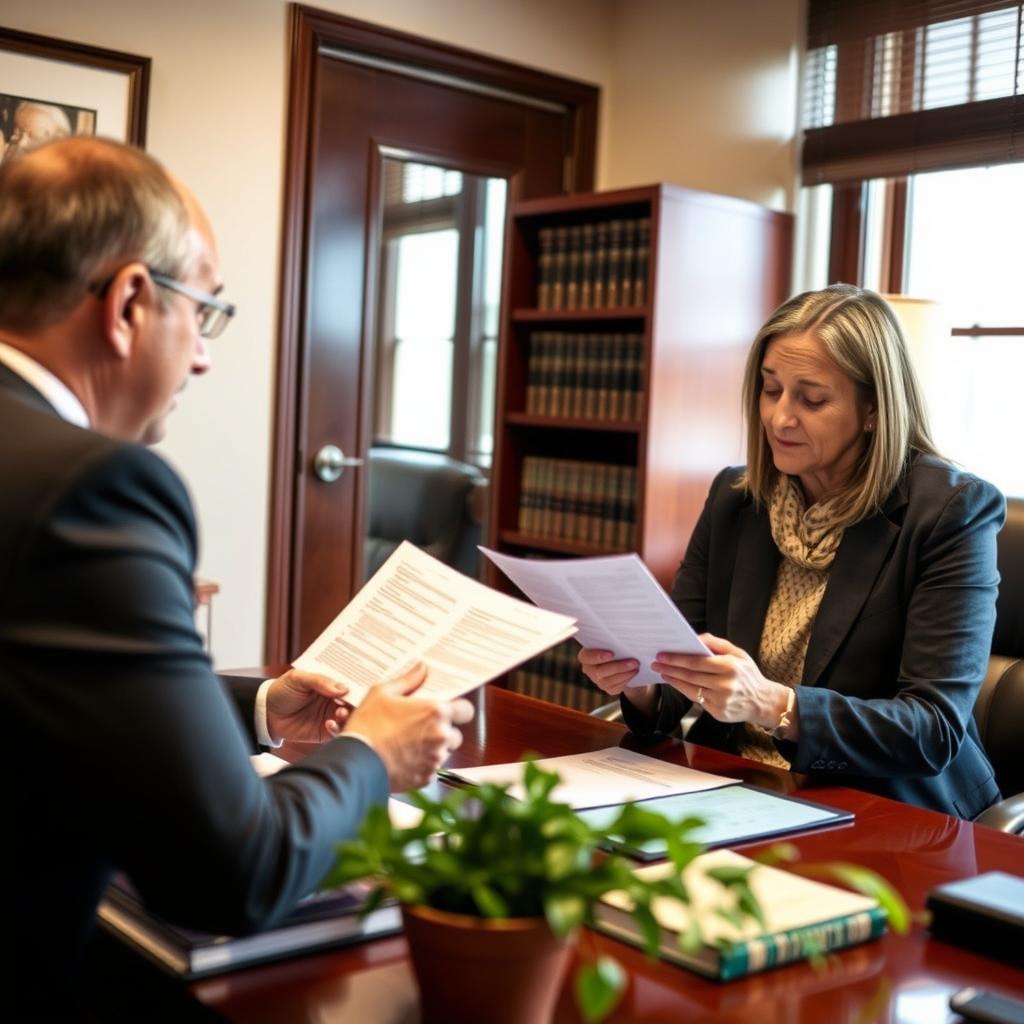
Family Green Card Lawyer Culpeper County
A family green card lawyer Culpeper County helps you file a Form I-130 petition for a relative. The process is governed by federal immigration law, not Virginia state code. Law Offices Of SRIS, P.C. —Advocacy Without Borders. Our attorneys handle family-based petitions for spouses, children, and parents. We manage the entire process from filing to the visa interview. Procedural specifics for Culpeper County are reviewed during a Consultation by appointment at our Fairfax Location. (Confirmed by SRIS, P.C.)
Statutory Definition and Legal Basis
The legal basis for a family-based green card is the Immigration and Nationality Act (INA), specifically Section 201(b) and 203(a). This federal law establishes family-sponsored immigrant visa preferences and numerical limits. The primary form is the I-130, Petition for Alien Relative. Approval establishes the qualifying family relationship. The beneficiary must then apply for an immigrant visa or adjust status. The process is federal, but local evidence and petitioner domicile in Culpeper County are relevant. A family green card lawyer Culpeper County handles these federal statutes.
INA § 201(b) & § 203(a) — Family-Sponsored Immigrants — No State Penalty. United States immigration law creates family-based preference categories for spouses, children, and parents of U.S. citizens (immediate relatives) and for other relatives like siblings and married children (preference categories). There is no jail or fine under Virginia law for this process. Delays or denials result from failure to meet federal eligibility requirements. A family-based green card petition lawyer Culpeper County ensures compliance with these complex federal rules.
What are the main visa categories for family green cards?
Immediate Relative (IR) visas are for spouses, unmarried children under 21, and parents of U.S. citizens. These categories have no annual numerical limits. Family Preference (F) visas are for other relationships. These include F1 for unmarried sons/daughters of U.S. citizens. F2A and F2B are for spouses/children and unmarried sons/daughters of lawful permanent residents. F3 is for married sons/daughters of U.S. citizens. F4 is for siblings of U.S. citizens. A green card through family lawyer Culpeper County determines the correct category.
What is the legal standard for proving a bona fide marriage?
U.S. Citizenship and Immigration Services (USCIS) requires clear and convincing evidence of a marital relationship entered into in good faith. This is not a Virginia legal standard but a federal immigration one. Evidence includes joint financial accounts, leases, property deeds, insurance policies, photographs, and affidavits. USCIS scrutinizes marriage-based petitions heavily. A family green card lawyer Culpeper County compiles a strong evidence package to satisfy this standard and prevent requests for evidence or denials.
How does a petitioner’s domicile in Culpeper County affect the process?
A U.S. citizen or lawful permanent resident petitioner must demonstrate domicile in the United States. For petitioners living abroad, they must re-establish U.S. domicile before the immigrant visa is issued. Evidence can include a Virginia driver’s license, voter registration, property ownership, or employment in Culpeper County. This is a critical step in the affidavit of support requirement. A family-based petition lawyer Culpeper County helps petitioners establish and document this crucial link.
The Insider Procedural Edge
While immigration is federal, local ties matter. The Culpeper County Circuit Court handles certain underlying matters like divorce decrees that may be required. All immigration filings go to USCIS lockboxes or service centers, not local Virginia courts. Evidence gathering often occurs within Culpeper County. A family green card lawyer Culpeper County understands how local documentation supports a federal case.
Where are immigration forms filed for a Culpeper County petitioner?
Form I-130 is filed by mail with the USCIS Dallas or Phoenix Lockbox, or online. The filing location depends on the petitioner’s state of residence and the category. For a Virginia resident, it is typically the USCIS Phoenix Lockbox. The address is USCIS, PO Box 21700, Phoenix, AZ 85036. The current filing fee is $625. A family-based green card petition lawyer Culpeper County ensures correct filing to avoid rejection.
What is the typical timeline for a family-based green card?
Processing times vary by visa category and country of chargeability. Immediate Relative petitions are currently processed in about 12-18 months before visa availability. Preference categories have longer waits due to annual quotas and per-country limits. The Visa Bulletin published monthly by the Department of State controls movement. After I-130 approval, the National Visa Center stage adds several months. A green card through family lawyer Culpeper County manages expectations based on these published timelines.
What local Culpeper County resources are used in the process?
Local resources include the Culpeper County clerk’s Location for marriage certificates and divorce decrees. The Virginia Department of Motor Vehicles provides proof of domicile. Local banks and employers provide financial evidence for the affidavit of support. Medical exams must be completed by a USCIS-designated civil surgeon, the nearest being outside Culpeper County. A family green card lawyer Culpeper County identifies and obtains all necessary local documentation. Learn more about Virginia legal services.
Penalties, Risks & Defense Strategies
The primary risk is a denial of the petition or visa application, leading to family separation and loss of filing fees. There are no Virginia criminal penalties for a properly filed petition. The strategic defense is building an unassailable case from the start. A family green card lawyer Culpeper County focuses on preventing problems before they arise.
| Issue/Risk | Consequence | Strategic Notes |
|---|---|---|
| Petition Denial (INA § 204) | Loss of $625 filing fee; family separation; need to refile or appeal. | Often due to insufficient evidence of relationship or petitioner ineligibility. |
| Visa Application Denial (INA § 212) | Visa refusal; potential permanent bar if fraud found. | Grounds include health, criminal history, fraud, public charge, or security issues. |
| Request for Evidence (RFE) | Significant processing delay; risk of denial if response is inadequate. | A proactive, thorough initial filing minimizes RFE chances. |
| Accusation of Fraud or Misrepresentation | Permanent ineligibility for any U.S. visa under INA § 212(a)(6)(C)(i). | The most severe risk. Absolute honesty and full disclosure are mandatory. |
[Insider Insight] USCIS and the Department of State are increasingly scrutinizing marriage-based petitions. Officers look for inconsistencies in timelines, lack of commingled finances, and age/cultural differences. In Culpeper County, presenting evidence of a shared life—like joint membership in local organizations or property records—can be persuasive. An experienced family-based petition lawyer Culpeper County anticipates these scrutiny points.
What are the financial requirements for the sponsor?
The petitioner must file Form I-864, Affidavit of Support, demonstrating income at or above 125% of the Federal Poverty Guidelines. For a household of two in 2023, this was $24,650. If income is insufficient, a joint sponsor residing in the U.S. is required. This is a legally enforceable contract. A family green card lawyer Culpeper County evaluates financial qualifications early to avoid visa denial on public charge grounds.
How do prior criminal records affect the beneficiary?
Certain criminal convictions make a beneficiary inadmissible under INA § 212(a)(2). This includes crimes involving moral turpitude, drug offenses, and multiple convictions. Waivers may be available, such as Form I-601. The waiver process is complex and requires extreme hardship to a qualifying U.S. relative. A green card through family lawyer Culpeper County assesses criminal history and strategizes waiver eligibility from the outset.
What happens if the petitioner dies during the process?
Under the Surviving Relatives Act, certain beneficiaries may continue the process if the petitioner was a U.S. citizen. The beneficiary must be residing in the U.S. and file a Form I-360 within two years of the petitioner’s death. For petitioners who are lawful permanent residents, the petition is automatically revoked. A family-based green card petition lawyer Culpeper County advises on contingency planning for such tragic circumstances.
Why Hire SRIS, P.C. for Your Family Green Card
Our lead attorney for complex family and immigration matters is Mr. Sris, a former prosecutor with a background in accounting and information systems. He provides strategic oversight on cases involving intricate financial evidence for the affidavit of support. SRIS, P.C. brings a methodical, evidence-based approach to family immigration.
Mr. Sris, Owner & Managing Attorney. Former prosecutor. Founded firm in 1997. Background in accounting & information systems. Personally amended Virginia’s equitable distribution statute. Provides consultation to Indian Consulate officials. Handles complex family and immigration matters requiring advanced strategy. Bar admissions: VA, MD, DC, NJ, NY.
We have 15 documented case results in Culpeper County with a 100% favorable outcome rate across our practice areas. This local experience translates to understanding how Culpeper County documentation supports federal petitions. Our team includes experienced legal professionals like Bryan Block, a former Virginia State Trooper, who understands evidence integrity. We handle the entire process, from the initial I-130 to adjustment of status or consular processing. We identify potential issues like prior immigration violations or criminal history early. Our goal is a direct, successful petition without requests for evidence. You need a firm with litigation depth even in an administrative process. Learn more about criminal defense representation.
Localized Family Green Card FAQs for Culpeper County
What is the first step to get a green card for my spouse in Culpeper County?
The first step is filing Form I-130, Petition for Alien Relative, with USCIS. You must prove a valid marriage and your U.S. citizenship or permanent resident status. Gather marriage certificates and proof of your status first.
How long does it take to get a marriage-based green card from Culpeper County?
For a U.S. citizen petitioner, current processing is approximately 12-18 months for the I-130, plus additional time for visa processing or adjustment of status. Times change monthly based on USCIS caseloads.
Can I file the paperwork myself without a lawyer in Culpeper County?
Yes, but errors cause delays or denials. Missing evidence, incorrect forms, or misunderstanding eligibility can result in lost fees and family separation. Legal guidance mitigates these risks significantly.
What evidence do I need to prove a real marriage in Culpeper County?
Provide joint lease/mortgage, bank accounts, tax returns, insurance policies, photos together, and affidavits from friends. Culpeper County-specific documents like local utility bills strengthen your case.
What if my income in Culpeper County is too low to sponsor my relative?
You can use a joint sponsor who meets the income requirements. The joint sponsor must be a U.S. citizen or permanent resident and file a separate I-864 form accepting legal responsibility.
Proximity, Contact, and Critical Disclaimer
Our Fairfax Location serves clients in Culpeper County. We represent families in immigration matters nationwide from our Virginia base. The Culpeper County Circuit Court at 135 West Cameron Street handles any underlying family law matters like divorce that may be required. Our Location is accessible via Route 29 and Route 3. We serve the communities of Culpeper and surrounding areas. Consultation by appointment. Call (888) 437-7747. 24/7.
Law Offices Of SRIS, P.C. —Advocacy Without Borders.
Fairfax Location — 4008 Williamsburg Court, Fairfax, VA 22032 | (703) 636-5417
Past results do not predict future outcomes.