
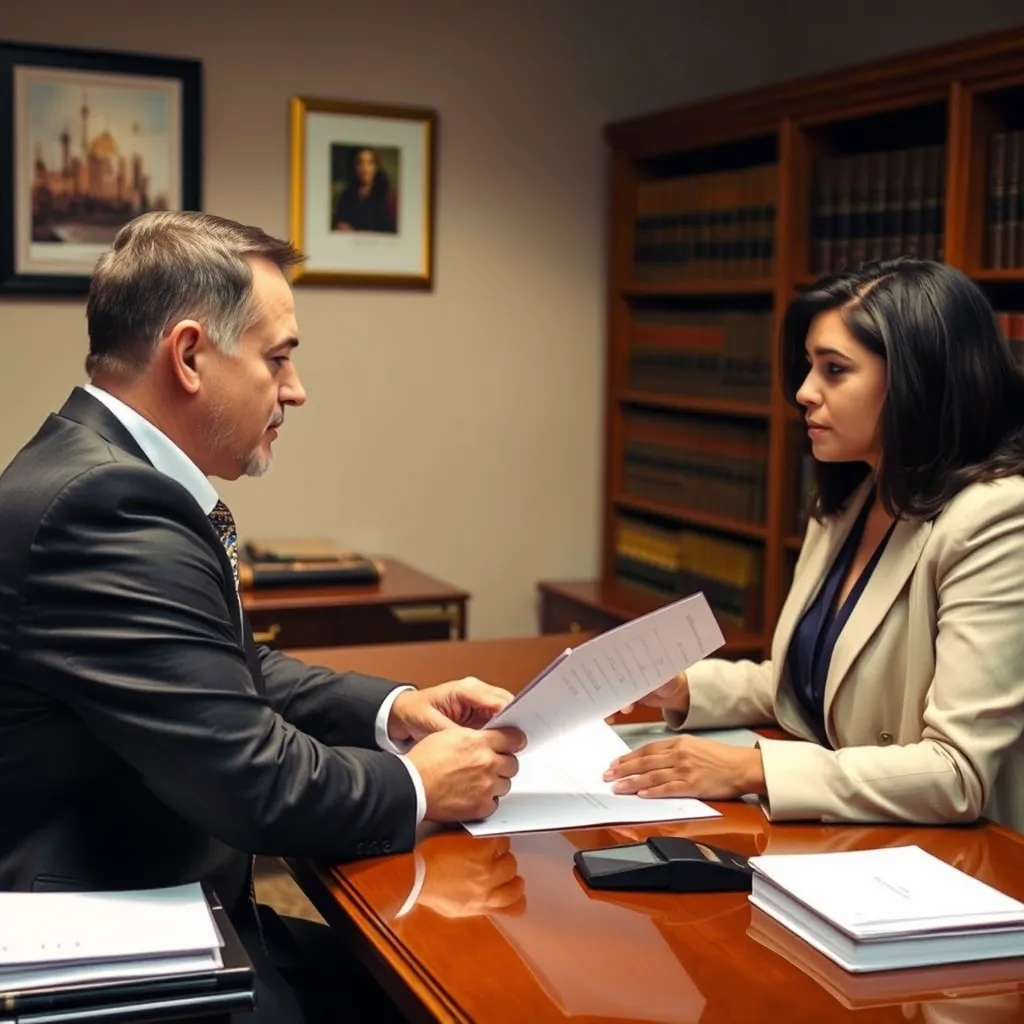
Note: This article is confirmed by Law Offices Of SRIS, P.C.
WRITTEN BY: Mr. Sris
Since 1997, Mr. Sris has led the firm, focusing on the most challenging criminal and family law cases… His background in accounting and information management aids in financial and technology-related cases… Involved in significant legislative changes in Virginia.
Insight: My focus since founding the firm in 1997 has always been directed towards personally handling the most challenging and involved criminal and family law matters our clients face.
Insight: I find my background in accounting and information management provides a unique advantage when handling the intricate financial and technological aspects inherent in many modern legal cases.
Insight: As someone deeply involved in the community, I believe it’s important to not only practice law but also to actively participate in shaping it, which is why I dedicated effort towards amending Virginia Code § 20-107.3 and achieving state recognition for cultural milestones.
Affirmative Asylum Application lawyer Arlington VA
What is affirmative asylum
Affirmative asylum represents a proactive approach to seeking protection in the United States. Individuals who are physically present in the country and not in removal proceedings can initiate this process. The application requires detailed documentation of persecution experiences or well-founded fears of future persecution. Applicants must establish that they cannot return to their home country due to threats based on protected characteristics.
The process begins with completing Form I-589, Application for Asylum and for Withholding of Removal. This comprehensive form requires personal information, details about family members, and a narrative describing persecution experiences. Supporting evidence must accompany the application, including country condition reports, medical records, affidavits from witnesses, and any available documentation of threats or harm suffered.
After submission, applicants undergo biometrics collection and receive an interview notice. The asylum interview represents a vital step where applicants present their case to a USCIS officer. Preparation for this interview involves reviewing the application, practicing testimony, and organizing supporting documents. The officer evaluates credibility, consistency, and whether the applicant meets the legal definition of a refugee.
Legal representation during this process helps ensure proper documentation and preparation. Attorneys assist in gathering evidence, preparing the personal statement, and preparing for the interview. They also help address any requests for additional evidence or respond to notices of intent to deny. Professional guidance can make a significant difference in presenting a compelling case.
How to apply for affirmative asylum
Initiating an affirmative asylum application requires careful attention to timing and documentation. The one-year filing deadline begins from the date of last arrival in the United States. Applicants must complete Form I-589 accurately, providing detailed information about their identity, immigration history, and persecution experiences. The personal statement section requires a comprehensive narrative explaining why return to the home country poses danger.
Evidence collection represents a vital component of the application process. Documentation should include country condition reports from reliable sources like the U.S. Department of State, United Nations, or human rights organizations. Personal evidence might include medical records documenting injuries from persecution, police reports, threatening letters, or photographs. Affidavits from witnesses who can corroborate persecution experiences strengthen the case.
After submitting the application, applicants receive notice for biometrics collection. This appointment involves fingerprinting and photographing for background checks. Following biometrics, the case enters the interview scheduling queue. Wait times vary depending on the asylum office jurisdiction and caseload. During this waiting period, applicants should continue gathering additional evidence and preparing for the interview.
The asylum interview typically lasts several hours and involves detailed questioning about the application. The USCIS officer examines the applicant’s testimony for consistency with written materials and evaluates credibility. Applicants must answer questions about their experiences, fears, and reasons for seeking protection. Proper preparation involves reviewing the application thoroughly, practicing testimony, and understanding potential questions.
Can I apply for asylum after one year
The one-year filing deadline for affirmative asylum applications represents a significant requirement under U.S. immigration law. This deadline generally applies to all applicants, with limited statutory exceptions. Understanding these exceptions requires careful legal analysis of individual circumstances. Changed circumstances refer to events that materially affect eligibility for asylum and occur after the one-year period. Examples include new threats from persecutors, changes in government policies in the home country, or emergence of new evidence of past persecution.
Extraordinary circumstances involve situations that prevented timely filing despite reasonable efforts. These might include serious illness or mental or physical disability during the filing period. Legal disability, such as being a minor or lacking mental capacity, could qualify. Ineffective assistance of counsel, where previous legal representation failed to file despite being retained, represents another potential exception. Other extraordinary circumstances might involve temporary protected status or lawful immigrant or nonimmigrant status during the one-year period.
Applicants seeking exceptions must provide substantial evidence supporting their claim. Documentation should include medical records for illness claims, psychological evaluations for mental health issues, or evidence of previous legal representation. For changed circumstances, applicants must demonstrate how new events create or renew persecution fears. Country condition reports showing deterioration in human rights situations can support such claims.
The burden of proof for exceptions rests with the applicant. USCIS officers carefully evaluate whether circumstances truly prevented timely filing or materially changed eligibility. Mere inconvenience or lack of knowledge about the deadline typically doesn’t qualify. Applicants must show they acted with reasonable diligence once circumstances allowed filing. Legal representation helps present exception claims effectively with proper documentation and legal arguments.
Why hire legal help for asylum applications
Affirmative asylum applications involve involved legal requirements and procedural steps that benefit from professional guidance. Immigration law contains specific standards for proving persecution and refugee status. Attorneys understand these legal standards and how to present evidence meeting them. They help applicants articulate their experiences in ways that align with legal definitions of persecution based on protected grounds.
Evidence collection represents a area where legal assistance proves valuable. Attorneys know what types of evidence carry weight with USCIS officers and how to obtain reliable documentation. They help gather country condition reports from authoritative sources, obtain affidavits from witnesses, and document medical evidence of persecution. Legal professionals also understand how to present evidence effectively, organizing materials to tell a coherent story of persecution.
Interview preparation benefits significantly from legal representation. Attorneys conduct mock interviews, prepare applicants for questioning, and help develop testimony that remains consistent with written materials. They explain what officers look for during interviews and how to present credible, compelling testimony. Legal counsel can also attend the interview, observe proceedings, and address any issues that arise during questioning.
Legal representation becomes particularly important when facing challenges like the one-year deadline or involved persecution claims. Attorneys can evaluate whether exceptions apply and help gather evidence supporting exception claims. They understand how to frame legal arguments and present cases in ways that address potential concerns. Professional guidance helps handle requests for evidence, notices of intent to deny, or other procedural developments.
FAQ:
1. What is affirmative asylum?
Affirmative asylum allows individuals to apply for protection while legally in the U.S. Applicants file with USCIS before facing removal proceedings.
2. What is the one-year filing deadline?
Applicants must generally file within one year of last U.S. arrival. Limited exceptions exist for changed circumstances or extraordinary conditions.
3. What evidence do I need for asylum?
Evidence includes personal statements, country condition reports, medical records, affidavits, and documentation of persecution experiences.
4. What happens during the asylum interview?
USCIS officers question applicants about their application and persecution fears. Interviews assess credibility and consistency with submitted materials.
5. Can I work while my asylum application is pending?
Applicants may apply for employment authorization 150 days after filing if no decision has been made on their asylum application.
6. What if my asylum application is denied?
Denied affirmative asylum cases get referred to immigration court for removal proceedings, where applicants can pursue defensive asylum.
7. How long does the asylum process take?
Processing times vary by asylum office and caseload. Interviews typically occur within months to years after filing, with decisions following.
8. Can family members be included in my application?
Spouses and unmarried children under 21 may be included as derivatives if they are in the U.S. and included on Form I-589.
9. What are changed circumstances exceptions?
Changed circumstances involve new events affecting eligibility, like new threats or country condition deterioration after the one-year period.
10. What are extraordinary circumstances exceptions?
Extraordinary circumstances include serious illness, legal disability, or ineffective assistance of counsel that prevented timely filing.
11. What happens after asylum approval?
Approved applicants receive asylee status, can apply for work authorization, and may eventually apply for permanent residence after one year.
12. Can I travel outside the U.S. while my application is pending?
Travel outside the U.S. generally abandons the asylum application. Advance parole may be available in limited circumstances.
Past results do not predict future outcomes