
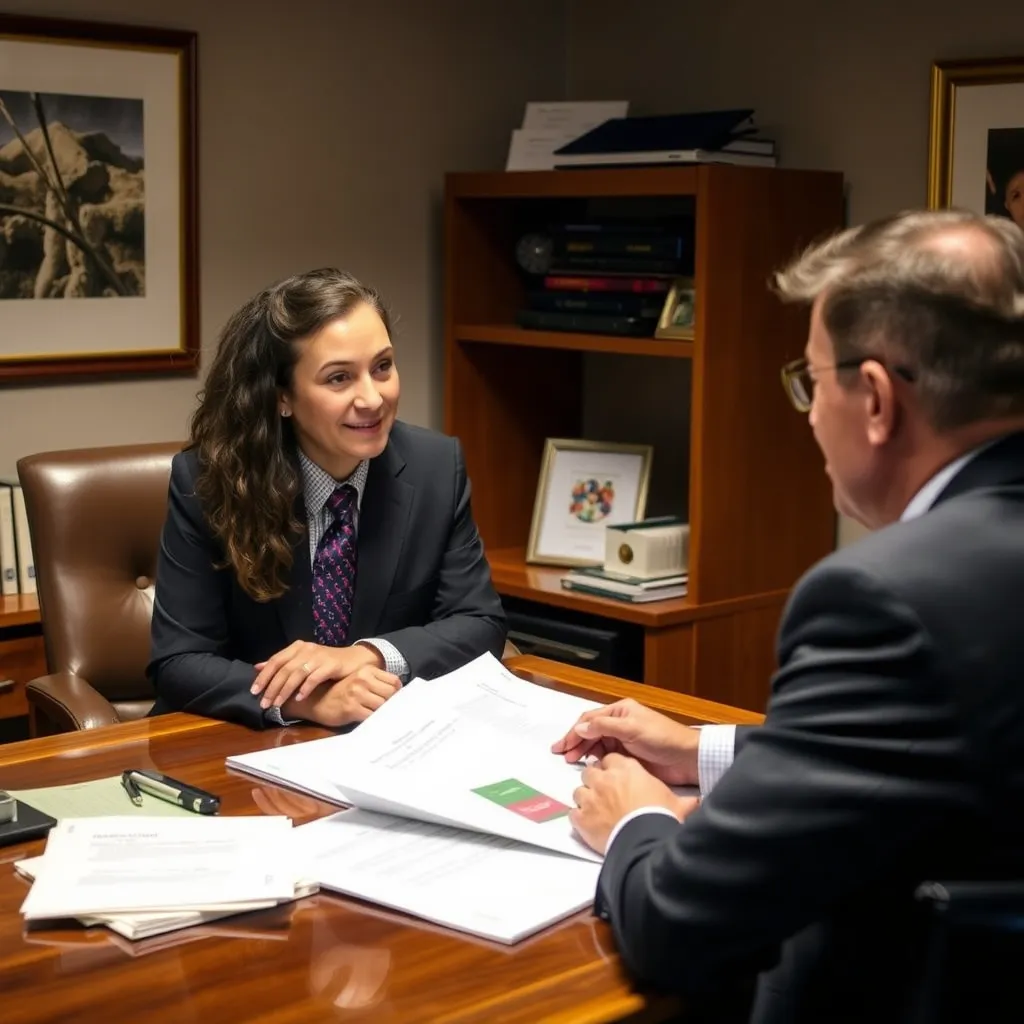
Note: This article is confirmed by Law Offices Of SRIS, P.C.
WRITTEN BY: Mr. Sris
Since 1997, Mr. Sris has led the firm, focusing on the most challenging criminal and family law cases… His background in accounting and information management aids in financial and technology-related cases… Involved in significant legislative changes in Virginia.
Insight: My focus since founding the firm in 1997 has always been directed towards personally handling the most challenging and involved criminal and family law matters our clients face.
Insight: I find my background in accounting and information management provides a unique advantage when handling the intricate financial and technological aspects inherent in many modern legal cases.
Insight: As someone deeply involved in the community, I believe it’s important to not only practice law but also to actively participate in shaping it, which is why I dedicated effort towards amending Virginia Code § 20-107.3 and achieving state recognition for cultural milestones.
Adjustment of Status & Consular Processing lawyer Augusta VA
What is Adjustment of Status & Consular Processing
Adjustment of status refers to the procedure where certain foreign nationals already in the United States can apply for lawful permanent resident status without departing the country. This process is available to individuals who meet specific eligibility requirements, including having an approved immigrant petition and an available visa number. Applicants must file Form I-485 with U.S. Citizenship and Immigration Services (USCIS) along with supporting evidence.
Consular processing involves applying for an immigrant visa at a U.S. consulate or embassy outside the United States. This pathway is typically used by individuals who are outside the U.S. or who are ineligible for adjustment of status. The process begins with an approved immigrant petition, followed by the National Visa Center processing the case before it reaches the consulate. Applicants must attend a medical examination and visa interview at the designated consulate.
The choice between adjustment of status and consular processing depends on multiple factors. Current immigration status, location, and eligibility categories all influence which pathway is appropriate. Some individuals may have options for both methods, while others may be restricted to one approach. Timing considerations also play a role in decision-making, as processing times vary between USCIS and consular posts.
Legal guidance helps ensure proper pathway selection and application preparation. Immigration regulations contain specific requirements for both processes. Documentation must be complete and accurate to avoid delays or denials. Understanding the procedural differences between adjustment of status and consular processing helps applicants make informed decisions about their immigration options.
Straight Talk: Both processes have strict requirements. Missing documents or incorrect forms can lead to significant delays or denials.
How to prepare for Adjustment of Status applications
The adjustment of status process starts with confirming eligibility. Applicants must have an approved immigrant petition and an immediately available visa number. Certain categories like immediate relatives of U.S. citizens have priority, while employment-based and family preference categories have numerical limitations. Current nonimmigrant status must be maintained if applicable, though some categories allow filing even after status expiration under specific circumstances.
Document preparation is a important component of the application process. Required documents include Form I-485, Application to Register Permanent Residence or Adjust Status, along with supporting evidence. Proof of identity such as passport copies, birth certificates, and photographs must be included. Evidence of lawful admission or parole into the United States is necessary, along with documentation supporting the underlying immigrant petition.
Medical examination requirements involve completing Form I-693, Report of Medical Examination and Vaccination Record, by a designated civil surgeon. The examination must be completed within 60 days before filing Form I-485 and remain valid throughout adjudication. Required vaccinations and screening tests vary based on age and medical history. Results are submitted in a sealed envelope that should not be opened by the applicant.
Financial documentation demonstrates the applicant will not become a public charge. Form I-864, Affidavit of Support, is typically required for family-based applications, while employment-based cases may require different evidence. Supporting tax returns, employment verification, and asset documentation help establish financial stability. Proper completion of these forms is essential for application success.
Reality Check: Application errors are common. Even small mistakes can result in requests for evidence or denials, extending the process by months.
Can I switch from Consular Processing to Adjustment of Status
Switching pathways depends primarily on physical location and immigration status. Individuals physically present in the United States who were lawfully admitted or paroled might qualify for adjustment of status if they meet other eligibility requirements. Those outside the U.S. generally cannot switch to adjustment of status and must complete consular processing. Location at the time of decision significantly impacts available options.
Eligibility requirements for adjustment of status include having an approved immigrant petition with an immediately available visa number. Applicants must not have violated their nonimmigrant status in ways that would make them ineligible for adjustment. Certain bars to adjustment exist, including unauthorized employment, failure to maintain status, or entry without inspection. These factors determine whether switching pathways is possible.
The process for switching involves notifying the National Visa Center (NVC) of the intent to adjust status. Once NVC receives notification, they will terminate consular processing and return the case to USCIS. Applicants must then file Form I-485 with USCIS along with required supporting documentation. Timing is important, as visa numbers must remain available throughout the transition.
Considerations before switching include processing times and procedural differences. Adjustment of status typically allows applicants to remain in the U.S. during processing, while consular processing requires travel abroad for interviews. Work authorization and advance parole availability differ between the two processes. These practical considerations should inform decision-making about pathway selection.
Blunt Truth: Switching processes adds challenge. It can extend timelines and requires careful coordination between different government agencies.
Why hire legal help for Adjustment of Status & Consular Processing
Immigration regulations contain numerous requirements and exceptions that can be challenging to interpret without professional assistance. Adjustment of status and consular processing involve different procedures, forms, and evidence standards. Legal professionals understand these distinctions and can help applicants select the appropriate pathway based on individual circumstances. This knowledge helps avoid selecting an inappropriate process that could lead to delays or denials.
Application preparation requires attention to detail and understanding of current requirements. Forms must be completed accurately with all required information. Supporting documentation must meet specific standards and be properly organized. Legal assistance helps ensure applications are complete and compliant with current regulations. This thorough preparation reduces the likelihood of requests for evidence or application rejections.
Government communication during the process often requires prompt and appropriate responses. Requests for evidence, notices of intent to deny, or interview scheduling all demand timely action. Legal representation helps manage these communications effectively. Attorneys can prepare responses that address government concerns while protecting applicant rights. This support is particularly valuable when involved issues arise during processing.
Strategy development considers long-term immigration goals beyond immediate application success. Legal professionals help plan for potential challenges and identify opportunities within the immigration system. This forward-looking approach helps applicants make informed decisions about their immigration options. Understanding how current applications affect future possibilities is important for comprehensive immigration planning.
Straight Talk: Immigration applications have lasting consequences. Professional guidance helps avoid mistakes that could impact your ability to remain in or return to the United States.
FAQ:
What is the difference between adjustment of status and consular processing?
Adjustment of status is for applicants in the U.S. Consular processing requires applying at a U.S. consulate abroad. Both lead to permanent residency.
Who qualifies for adjustment of status?
Individuals physically present in the U.S. with approved petitions and available visa numbers may qualify. Certain status violations can affect eligibility.
How long does adjustment of status take?
Processing times vary by category and USCIS workload. Current estimates range from several months to over a year for most applications.
What documents are needed for consular processing?
Required documents include passport, birth certificate, police certificates, medical exam results, and financial evidence. Specific requirements vary by consulate.
Can I work while my adjustment of status is pending?
Yes, with approved employment authorization. File Form I-765 with your adjustment application or after filing to request work permission.
What happens at a consular interview?
The consular officer reviews documents, asks questions about your application, and determines visa eligibility. Decisions are typically provided at the interview.
Can I travel outside the U.S. during adjustment of status?
Travel requires advance parole approval. File Form I-131 to request permission to travel without abandoning your adjustment application.
What if my adjustment of status is denied?
Options may include filing a motion to reconsider, appealing the decision, or exploring alternative immigration pathways. Timely action is important.
How do I choose between adjustment and consular processing?
Consider your location, immigration status, and personal circumstances. Legal assessment helps determine the most appropriate pathway.
What are common reasons for adjustment of status denial?
Common issues include ineligibility, incomplete applications, insufficient evidence, or failure to maintain status. Proper preparation helps avoid these problems.
Can I adjust status if I entered without inspection?
Generally no, but exceptions exist for certain categories like immediate relatives of U.S. citizens under specific circumstances.
What happens after consular processing approval?
You receive an immigrant visa packet to present at U.S. port of entry. After entry, you become a permanent resident and receive a green card.
Past results do not predict future outcomes